

Maddy summaryThis bill creates the Emerging Psychologists Workforce Initiative Program in Pennsylvania to help address shortages of mental health professionals by offering financial support to new doctoral-level psychologists. The program provides commitment stipends to eligible applicants who agree to complete an accredited internship in designated shortage areas or facilities and then remain employed there for at least 12 months after finishing their training. To qualify, applicants must be Pennsylvania residents holding a relevant doctoral degree and must not have previously completed a full year of internship hours. The Department of Health is responsible for administering the program, distributing internship positions between rural and urban areas, and enforcing the employment contract terms, including requiring recipients to repay the stipend if they fail to meet the service requirements.
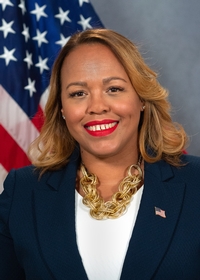
Rep. Johanny Cepeda-Freytiz
Sponsored bills
Maddy summaryThis bill creates a five-year pilot program to provide funding for restoring school libraries in Pennsylvania's low-achieving schools. Eligible schools can receive grants of up to $170,000 to purchase books, digital resources, and technology, as well as to hire or train certified school librarians. The Department of Education will select at least 12 schools representing diverse student demographics to participate, and the program requires annual reporting and an independent evaluation to assess its impact on student performance.
Maddy summaryThis bill amends Pennsylvania's Public School Code to authorize the creation of school-based health centers within public and private schools. These centers must remain open during school hours and cannot refuse care based on a student's ability to pay, insurance status, or existing primary care provider. Services are determined by school boards based on student demographics and needs, with strict requirements for parental consent and data confidentiality. The legislation also mandates the establishment of a statewide advisory council to oversee program operations and requires the Department of Health to collect usage and demographic data once funding is available.
Maddy summaryThis bill allocates money from the State Lottery Fund to the Department of Aging in Pennsylvania for the 2024-2025 fiscal year. The specific funding supports programs like PennCARE, which provide services such as community care, protective services, and counseling for older adults and other seniors. It adds to existing state appropriations and takes effect immediately to cover expenses starting July 1, 2024.
Maddy summaryThis bill updates the Pennsylvania Consolidated Statutes to clarify which entities must maintain county property contact information lists. It specifically defines "business" and "limited liability company" to ensure these groups, along with individuals, are subject to the same duties as other property owners. The legislation imposes penalties on those who fail to comply with these new reporting requirements, aiming to streamline how property data is managed across the state.
Maddy summaryThis bill restricts public access to eviction records in Pennsylvania by automatically placing such files under limited access seven years after the case is filed or once a judgment is satisfied. It prohibits courts, landlords, and consumer reporting agencies from sharing these records with the public or using them in tenant screening reports, while still allowing access to the parties involved, their attorneys, and specific entities like nonprofit researchers. Landlords are required to notify the court within 30 days if a tenant pays a money judgment in full or vacates the property by the agreed date. The legislation also creates a private right of action for tenants, allowing them to seek damages of up to two months' rent or $5,000, whichever is greater, along with attorney fees, if their eviction records are improperly disclosed.
Maddy summaryThis bill requires school nurses and other staff with direct student contact in Pennsylvania to complete approved training on recognizing seizures and providing first aid. Starting with the 2022-2023 school year, these employees must finish either an online course or in-person instruction covering seizure recognition and action plans. The law applies to all public, private, and parochial schools in the state to ensure staff are prepared to respond to medical emergencies. The training requirement is mandatory for the specified personnel, replacing any previous optional status for these courses.
Maddy summaryThis bill updates Pennsylvania laws to clarify the appointment process and duties for the Adjutant General and creates a new role for a Deputy Secretary for Veterans' Affairs. The new position must be filled by a current or former military veteran with proven executive leadership experience and knowledge of veteran benefits or nonprofit work. Additionally, the legislation establishes specific requirements for the State Veterans' Commission, including how its members are selected and how it operates. Finally, the bill authorizes grants to support veterans' service officer programs within various veterans' organizations.
Maddy summaryThis bill updates Pennsylvania's Uniform Parcel Identifier Law to establish a clear fee structure for counties that create uniform land identification systems. It requires local officials to charge a flat fee for each parcel identifier assigned and limits the total cost for recording any single document to $10,000, regardless of how many parcels are involved. The changes apply to counties that have already enacted ordinances to set up these modern land record systems to help with property transfers and tax assessments. The new fee rules will take effect 60 days after the bill becomes law.
Maddy summaryThis bill updates Pennsylvania's Sign Language Interpreter and Transliterator State Registration Act to expand its scope to include individuals serving deaf, deafblind, and hard of hearing people. It introduces new definitions for key terms like "video remote interpreting" and establishes specific standards for recognizing national certifications from organizations such as the Registry of Interpreters for the Deaf. The legislation mandates that anyone providing these services must be registered with the Office for the Deaf and Hard of Hearing, with exceptions made for religious settings, emergency situations, and supervised academic internships. Additionally, the bill requires the office to annually review and publish a list of approved educational alternative pathway programs.