

Maddy summaryHR 327 is a resolution directing the Joint State Government Commission to study how to reduce food waste in the state using multiple strategies, considering existing infrastructure. It would evaluate practical approaches for decreasing food waste across the Commonwealth, focusing on what is currently feasible. The resolution itself does not change laws or funding but would produce a report to inform future policy decisions. This study would be conducted by the Commission, with findings potentially guiding future legislative action on food waste reduction.
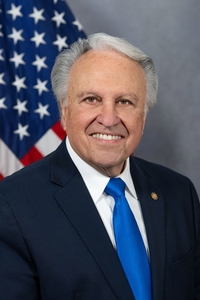
Rep. Eddie Pashinski
Sponsored bills
Maddy summaryThis bill updates Pennsylvania's Physical Therapy Practice Act to formally define "dry needling" and expand the scope of services available to licensed physical therapists. It mandates that only physical therapists who complete a board-approved certification program may perform dry needling, while explicitly excluding this practice from the duties of physical therapist assistants. The legislation also clarifies the definitions of physical therapy to include a broader range of interventions such as mechanical stimulation and wellness promotion. These changes aim to standardize training requirements and delineate the specific responsibilities of different therapy professionals within the state.
Maddy summaryThis bill is a House Resolution that designates May 8, 2026, as Child Care Provider Appreciation Day in Pennsylvania to honor the work of child care providers. The resolution does not create new laws or change any policies; it is a symbolic gesture to recognize and thank caregivers, teachers, nannies, and daycare workers who support children and families. The bill is sponsored by multiple representatives and referred to the Committee on Children and Youth for consideration. It aligns with a national tradition of celebrating child care workers annually in May.
Maddy summaryHB 1260 would allow businesses owning warehouses or distribution centers to install solar energy systems by providing tax exemptions for "solar-ready" projects. It directly affects commercial property owners in the state by reducing their tax burden for qualifying solar installations. Key provisions include authorizing special tax breaks, requiring the Department of Environmental Protection to establish guidelines for these projects, and imposing fines for non-compliance with solar-ready construction standards. The bill aims to incentivize renewable energy adoption in large commercial facilities through concrete tax policy changes.
Maddy summaryThis Pennsylvania House Resolution asks the U.S. Congress to create a law that ensures Transportation Security Officers receive their pay even during a federal government shutdown. The measure highlights that these airport security workers are currently working without pay, leading to increased wait times and staffing issues at airports across the country. It urges lawmakers to address this funding gap immediately and to establish a system that prevents similar situations from happening in the future. The resolution does not directly change federal law but serves as a formal request from the state legislature to the national government.
Maddy summaryThis Pennsylvania House resolution designates March 25, 2026, as Greek Independence Day within the state. The measure recognizes the historical ties between Greece and the United States, including the influence of ancient Greek democracy on American governance and the significant contributions of Greek Americans to Pennsylvania's economy and culture. It calls on residents to acknowledge the Greek struggle for freedom and the shared values of democracy and self-determination between the two nations. The resolution does not create legal obligations or change laws but serves as a symbolic recognition of the relationship between the states and the Greek community.
Maddy summaryThis bill designates July 1, 2026, as "Canada Day" in Pennsylvania to honor the state's relationship with Canada. It encourages residents, businesses, and institutions to observe the day and directs a copy of the resolution to Canadian government partners. The measure is symbolic and does not create new laws or change existing policies.
Maddy summaryThis bill allows public utilities in Pennsylvania to recover certain advertising and lobbying expenses from their customers through utility rates, subject to specific conditions. It requires utilities to file detailed reports with the state commission listing all advertising and lobbying expenditures, including employee hours and third-party vendor payments. The law prohibits utilities from charging consumers for expenses related to political campaigns, trade association memberships, executive travel, and other specified costs. Utilities with more than 75,000 customers must submit annual reports detailing lobbying and political activity costs, while all utilities proposing rate changes must disclose their advertising plans and spending.
Maddy summaryThis Pennsylvania House resolution designates March 21, 2026, as "Rosie the Riveter Day" to honor women who worked in factories during World War II, particularly those in Pennsylvania. It specifically recognizes the contributions of women who filled critical manufacturing roles - like building ships, aircraft, and weapons - as Pennsylvania became known as "The Arsenal of America." The resolution coincides with the 100th birthday of Mae Krier, a WWII worker and advocate for the Congressional Gold Medal honoring all "Rosie the Riveters." As a commemorative resolution, it has no legal effect but serves to publicly acknowledge this historical workforce.
Maddy summaryThis resolution designates March 2026 as "National Social Work Month" in Pennsylvania. It symbolically recognizes the contributions of social workers who support vulnerable populations, address mental health needs, and advocate for policies like minimum wage and poverty reduction. The resolution has no binding effect - it encourages Pennsylvanians to join the National Association of Social Workers in celebrating the profession during that month. It does not create new policies, allocate funding, or directly affect any specific group.