

Maddy summaryThis bill requires school directors in Pennsylvania to complete mandatory training programs to improve their ability to lead school boards. New directors must finish at least five hours of instruction covering topics like academics, personnel, finances, and ethics within their first year, while those seeking reappointment must complete an additional three hours of advanced training annually. The Department of Education will provide these courses for free, either directly or through a designated statewide organization that represents school directors. The training specifically includes at least one hour dedicated to trauma-informed approaches, and the law ensures that the statewide organization remains independent from the state government.
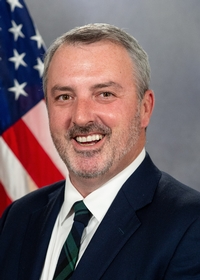
Rep. Kyle Donahue
Sponsored bills
Maddy summaryThis bill amends Pennsylvania's Tax Reform Code to allow businesses to claim a tax deduction for money they contribute toward their employees' child care costs. To qualify, employers must make payments to licensed child care centers, group homes, or family homes to help workers cover eligible care expenses while they work. The law permits a deduction equal to 110% of the total contributions made, with a separate provision that allows up to $5,000 of these costs to be excluded from the employer's taxable income. Employers claiming this benefit must file a specific form that details the names and contact information of participating employees and the child care providers they used. The changes apply to tax years starting after December 31, 2023, and will take effect 60 days after the bill is enacted.
Maddy summaryThis bill establishes minimum energy and water efficiency standards for a specific list of products sold or installed in Pennsylvania, including commercial kitchen equipment, lighting, and plumbing fixtures. It requires that these items meet performance benchmarks to reduce utility waste, lower costs for consumers and businesses, and decrease strain on energy and water infrastructure. The legislation mandates testing, certification, and labeling for compliance while imposing penalties for violations, though it excludes products manufactured in-state for out-of-state sale and those designed for recreational vehicles.
Maddy summaryThis bill amends Pennsylvania's mental health laws to require social media companies to take specific actions to protect minors, defined as individuals under 16 years of age. It mandates that platforms provide parents with notice when their child's account is flagged for sensitive content and requires explicit parental consent before a minor can open a new social media account. Additionally, the legislation imposes penalties on companies that fail to comply with these new oversight and data protection requirements.
Maddy summaryThis bill, known as the Travel Price Integrity Act, aims to protect consumers from sudden price hikes when booking transportation online. It prohibits travel service providers, such as airlines or ride-sharing apps, from changing prices while a user is viewing or purchasing a service for at least 30 minutes after they first visit the website. Additionally, companies must notify customers at least five minutes before this 30-minute window ends if a price change is planned. Violations of these rules would be treated as unfair trade practices under existing state consumer protection laws.
Maddy summaryThis resolution designates September 20, 2024, as "Candidate Pledge Day" in Pennsylvania to honor the efforts of Hannah-Kate McFadden in promoting civility among political candidates. The bill does not create new laws or change existing regulations but serves as a symbolic gesture to encourage elected officials and candidates to sign a pledge against bullying, name-calling, and inflammatory rhetoric. By recognizing this date, the measure aims to highlight the importance of compromise and respectful discourse in the political process without imposing any mandatory requirements on officials.
Maddy summaryThis bill creates a new state program to distribute money to Pennsylvania municipalities based on the value of tax-exempt properties located within their borders. It establishes a specific fund and requires county offices to collect detailed annual data on these properties, including owner information and assessed values, to calculate funding amounts. The Department of Community and Economic Development will oversee this process and distribute the funds, while counties that fail to submit the required reports by the deadline will lose their ability to receive any share of the money for that year.
Maddy summaryThis bill establishes a new chapter in Pennsylvania law dedicated to storm water management, aiming to address issues like flooding, erosion, and strain on public infrastructure caused by increased runoff from development. It defines key terms such as "impervious surface" and "storm water" to clarify what areas and water sources are covered under the new regulations. A significant provision allows municipal authorities to charge a reasonable storm water management fee to property owners, including those who own land for the Commonwealth, ensuring that tax-exempt entities also contribute to these costs. The legislation empowers local governments to better plan and mitigate the impacts of storm water while requiring coordination with state instrumentalities.
Maddy summaryThis Pennsylvania resolution designates May 2024 as Preeclampsia Awareness Month to highlight the dangers of high blood pressure during pregnancy. The bill aims to encourage public education on recognizing symptoms such as sudden swelling, severe headaches, and blurred vision, which can lead to life-threatening conditions for both mothers and infants. By supporting the Preeclampsia Foundation's efforts, the measure seeks to increase awareness and promote timely medical care without imposing new laws or funding requirements.
Maddy summaryThis bill establishes a Public Transit Security Grant Program in Pennsylvania to provide funding for improving security at public transit systems. The program will be administered by the Department of Transportation, which will manage a new fund created specifically for these grants. To receive funding, transit authorities must submit applications that include a safety committee letter of support and may receive priority if they have the consent of the majority of their transit employees' associations. The legislation defines a safety committee according to federal regulations and outlines specific requirements for how grant applications must be structured and evaluated.