

Maddy summaryThis Pennsylvania House Resolution designates the week of September 23 through 29, 2024, as "Diaper Need Awareness Week" to highlight the shortage of disposable diapers for children and incontinent adults. The measure aims to draw public attention to the financial burden families face, noting that many must cut back on essentials like food to afford these necessities. Additionally, the resolution formally recognizes the work of Pennsylvania's 10 diaper banks and encourages residents to support community organizations through donations and participation in diaper drives.
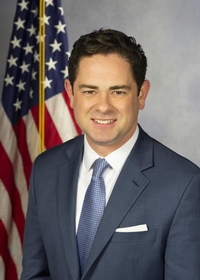
Rep. Kyle Mullins
Sponsored bills
Maddy summaryThis bill creates a five-year pilot program to provide funding for restoring school libraries in Pennsylvania's low-achieving schools. Eligible schools can receive grants of up to $170,000 to purchase books, digital resources, and technology, as well as to hire or train certified school librarians. The Department of Education will select at least 12 schools representing diverse student demographics to participate, and the program requires annual reporting and an independent evaluation to assess its impact on student performance.
Maddy summaryThis Pennsylvania bill prohibits the intentional addition of perfluoroalkyl and polyfluoroalkyl substances, commonly known as PFAS, to a wide range of consumer products including cookware, cosmetics, food packaging, and artificial turf. While the law generally bans these chemicals, it allows for their use in specific items if the Department of Environmental Protection determines that no safer alternative exists and the chemical is critical for the product's function. The Department of Environmental Protection is tasked with enforcing these restrictions, managing a public database of PFAS information, and imposing penalties for violations.
Maddy summaryThis bill designates Allegheny River Boulevard in western Pennsylvania as an official scenic byway to recognize its scenic, historic, and recreational value. The primary mechanism of the law restricts the placement of outdoor advertising signs near the road to preserve the visual quality of the route, with specific distance limits and exceptions for official signs, real estate listings, and directional markers. Additionally, the legislation requires state travel maps to highlight this route and explain the reasons for its designation. The changes directly affect property owners along the corridor and state agencies responsible for transportation and tourism mapping.
Maddy summaryThis bill requires the state Department of Health to hold annual regional meetings with long-term care nursing facilities to gather feedback on how the department conducts its surveys. The primary goal is to improve cooperation and communication between the department and these facilities, with the option to hold meetings either in-person or virtually. Any information shared during these meetings is protected from being used in criminal, civil, or administrative cases, unless the data is unrelated to facility performance, knowingly false, or independently verified. Additionally, records collected during these sessions are exempt from public access under the state's Right-to-Know Law.
Maddy summaryThis bill amends the existing Pharmacy Audit Integrity and Transparency Act to refine how pharmacy audits and fees are handled. It clarifies that certain insurance supplements are excluded from specific terms and changes the notice period for additional fees from the time of claim adjudication to thirty days before the fees are applied. The legislation also updates definitions to refer to "generic" drugs instead of "general" ones and expands the scope of federal employee benefit protections. Additionally, it adjusts reporting requirements for pharmacy benefit managers and the state agency overseeing these audits.
Maddy summaryHB 2064 amends the Older Adults Protective Services Act to update how financial institutions handle accounts for older adults. The bill removes specific language regarding beneficiaries and adjusts numerical limits on account protections from fifteen to seven. These changes directly affect banks and other financial entities by modifying the rules they must follow when managing funds for elderly clients.
Maddy summaryThis Pennsylvania bill creates a new Alzheimer's, Dementia and Related Disorders Office within the Department of Aging to coordinate state efforts for people affected by these conditions. The office will oversee existing programs, identify service gaps, manage grants, and update the state's strategic plan every five years based on expert advice. To support this work, the law also establishes a large advisory committee made up of government officials, healthcare providers, researchers, and individuals with personal experience caring for those with dementia. This committee will guide the office's activities, review progress, and ensure that the state's approach remains current and effective.
Maddy summaryThis bill creates the Keystone Fresh Program to increase the amount of locally grown food served in Pennsylvania school meals. It establishes a grant system administered by the Departments of Education and Agriculture to reimburse school districts for purchasing local fruits, vegetables, grains, and other minimally processed foods. The program prioritizes funding for schools that source from veteran farmers, socially disadvantaged groups, new farmers, or those using sustainable agriculture techniques. A separate fund is also created to support the administration of these initiatives, aiming to improve child nutrition and provide economic benefits to local producers.
Maddy summaryThis bill creates the Pennsylvania Small Business Innovation Grant and Small Business Technology Transfer Matching Funds Program to offer financial support to local small businesses participating in federal research initiatives. Administered by the Department of Community and Economic Development, the program provides matching grants of up to $50,000 to businesses that have received Phase I awards from the Small Business Administration for federal research projects. To qualify, companies must be headquartered in Pennsylvania, commit to keeping at least 51% of their research work within the state, and submit specific reports demonstrating their ability to advance the project to Phase II. The legislation also sets limits on funding, allowing each business to receive only one grant per year and a maximum of five total awards, with funds released in installments tied to project milestones.