Issue · Technology

Technology

Every technology bill, vote, and legislator stance in Pennsylvania, automatically classified by Maddy, our AI policy reader.

Total bills
50
119th Congress
Top supporter
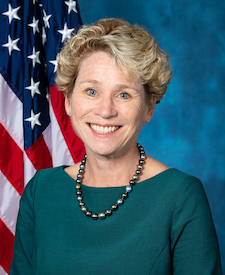
Chrissy Houlahan
86% support rate
Top opponent
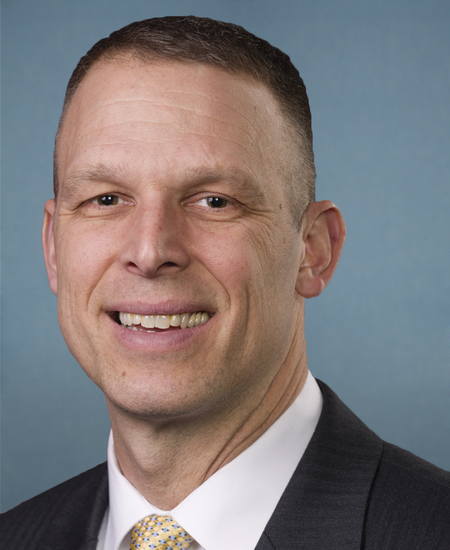
Scott Perry
14% support rate
Ranked legislators
10
5 support · 5 oppose
Key legislators

Who's moving technology in Pennsylvania

Legislators moving technology in Pennsylvania
Legislator Party Stance Support rate Votes
Chrissy Houlahan
Chrissy Houlahan House · District 6
D
Strong +
86% 259
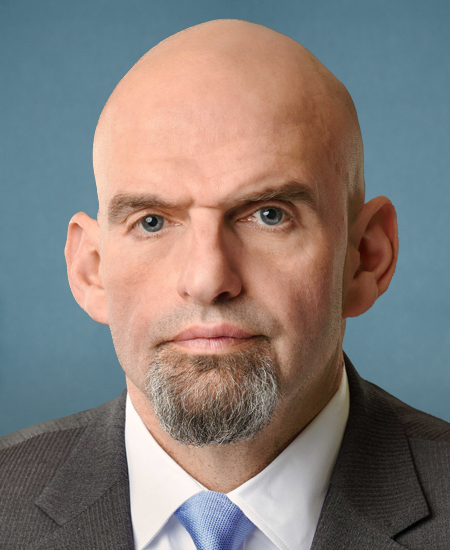
John Fetterman
John Fetterman Senate
D
Support
80% 224
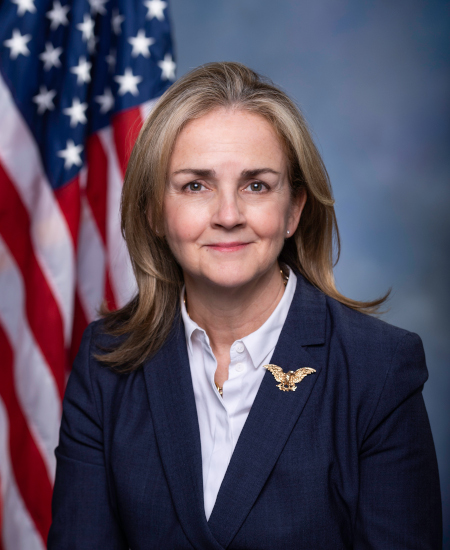
Madeleine Dean
Madeleine Dean House · District 4
D
Support
77% 261
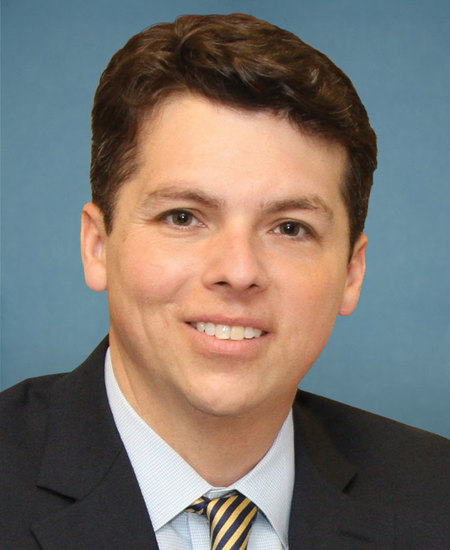
Brendan F. Boyle
Brendan F. Boyle House · District 2
D
Support
77% 257
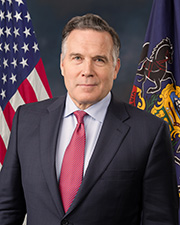
Dwight Evans
Dwight Evans House · District 3
D
Support
74% 238
Scott Perry
Scott Perry House · District 10
R
Strong −
14% 252
David McCormick
David McCormick Senate
R
Oppose
31% 231
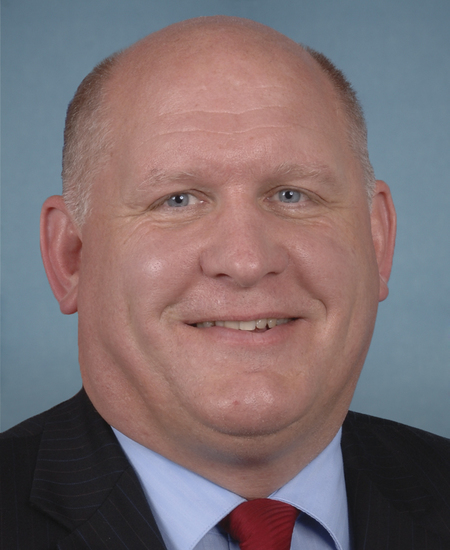
Glenn Thompson
Glenn Thompson House · District 15
R
Oppose
32% 258
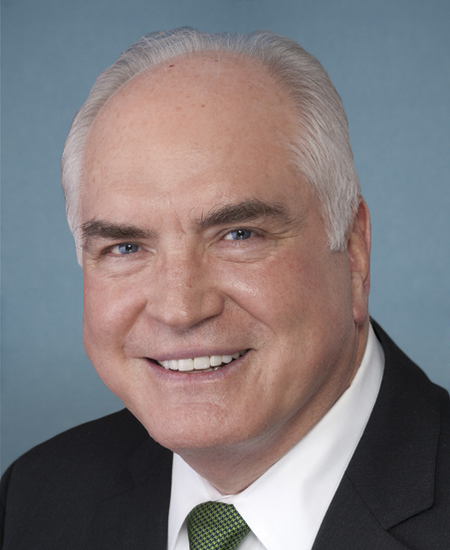
Mike Kelly
Mike Kelly House · District 16
R
Oppose
32% 257
John Joyce
John Joyce House · District 13
R
Oppose
32% 263
Showing 1–10 of 50 bills

All technology bills

in committee · United States · House Aug 27, 2026

HR 10166: Foreign Propaganda Disclosure Act

The Foreign Propaganda Disclosure Act amends the Foreign Agents Registration Act to explicitly include social media influencers in its regulatory scope. The bill defines a social media influencer as any individual who maintains a monetized account on a social media platform, using an existing definition from the Trafficking Victims Prevention and Protection Reauthorization Act of 2022. By making this addition, the legislation requires these specific digital content creators to comply with the same registration and disclosure obligations currently applied to other foreign agents.
Sub-Topics Social Media
in committee · United States · House Aug 3, 2026

HR 10017: Permanent CBDC Ban Act

This bill, titled the Permanent CBDC Ban Act, aims to permanently prohibit the Federal Reserve from issuing a central bank digital currency. It achieves this by amending the Federal Reserve Act to remove the specific legal authority that allows the Reserve to create such a digital currency. The legislation directly affects the Federal Reserve by stripping away its power to launch a digital version of the dollar. By deleting the relevant subsection of the law, the bill ensures that the Reserve cannot issue a CBDC in the future.
in committee · United States · House Jul 22, 2026

HR 9829: ORTHO Act

The ORTHO Act directs the Federal Trade Commission to create new rules requiring dentists to perform an in-person examination before providing most dental services or medical devices through teledentistry. This requirement includes exceptions for emergency care, approved public health programs, and specific orthodontic diagnoses that must still be confirmed by an in-person visit and review of X-rays before a patient begins using an appliance. Violations of these rules would be treated as unfair or deceptive practices, allowing both the FTC and state attorneys general to enforce the law through civil penalties and potential damages. The bill also clarifies that states retain the ability to adopt additional regulations that are consistent with these federal standards.
Sub-Topics Public Health
in committee · United States · House Jun 29, 2026

HR 9530: Quiet Skies Act

The Quiet Skies Act directs the Secretary of Transportation to create new regulations banning voice calls on cell phones in the United States. This rule must be finalized within 180 days of the law's enactment and will apply to all air travelers. The bill aims to reduce noise on airplanes by prohibiting passengers from making or receiving phone calls while in flight.
Sub-Topics Telecommunications
in committee · United States · House Jul 27, 2026

HR 9948: Addictive Design Act of 2026

The Addictive Design Act of 2026 aims to protect youth under 18 from potential mental health risks associated with artificial intelligence chatbots by banning specific features designed to create emotional attachments. To support this goal, the bill establishes a government task force to study these impacts and provides funding for research and educational outreach to parents and teachers. The legislation also mandates that companies offering AI chatbots to minors must use age verification technology and delete user data within 24 hours. Companies that fail to comply with the ban on addictive design features or data privacy requirements face civil penalties of up to $10 million or $5,000 per violation, respectively.
in committee · United States · House Jul 14, 2026

HR 9687: Blocking CCP Spy Tech Act of 2026

This bill directs U.S. national security agencies to evaluate whether specific communications equipment and services from seven Chinese companies pose an unacceptable risk to American national security. If these agencies fail to make a determination within a year, or if they find the technology risky, the Federal Communications Commission will add these products to a restricted list that prevents their use on federal networks. The legislation also requires the Department of Defense to decide if these same companies should be officially classified as Chinese military entities operating in the United States. Additionally, the bill mandates that all findings and decisions regarding these determinations be reported to Congress, either in unclassified form or with a classified annex.
in committee · United States · Senate Jun 18, 2026

S 4833: No Robot Bosses Act

The No Robot Bosses Act prevents employers from relying predominantly on automated systems to make hiring, firing, or other employment decisions, while also requiring these systems to be transparent about how they evaluate workers. Companies using such technology must disclose how the system works, train their staff on potential biases, and allow employees to opt out of having their applications or management handled by algorithms. The bill mandates that developers and employers conduct detailed pre-deployment evaluations and annual impact assessments to ensure these tools do not discriminate or harm workers' rights. A new Fairness and Transparency Office within the Department of Labor will oversee compliance, investigate violations, and enforce penalties that include substantial fines and protections against retaliation for whistleblowers.
Sub-Topics Labor Standards
in committee · United States · House Jun 25, 2026

HR 9453: End EPA Abuse Act of 2026

The End EPA Abuse Act of 2026 amends the Clean Air Act to limit the Environmental Protection Agency's authority to create new regulations. Specifically, it prohibits the EPA Administrator from issuing rules that restrict the sale or use of internal combustion engine vehicles, force power plants to switch fuel sources, or reduce the reliability of the electric grid. The bill also bars the agency from mandating technologies that are commercially unavailable, too expensive without subsidies, or technically unfeasible due to geographic or infrastructure limitations. Additionally, the law prevents the EPA from expanding its regulatory power beyond what Congress originally intended. These changes directly affect the EPA's ability to enforce environmental standards and impact industries such as automotive manufacturing and energy production.
in committee · United States · House Jun 11, 2026

HR 9262: Local Control Protection Act

The Local Control Protection Act restricts federal courts from hearing challenges to local zoning decisions that deny permits for large data centers, provided those denials were made by recorded vote with documented findings. It also prohibits federal agencies from approving permits for these facilities if the developer is currently suing to overturn a local government's denial. Additionally, the bill requires developers of covered data centers to receive tax credits only if they sign enforceable agreements with local officials to address infrastructure impacts, monitor environmental effects, and prioritize hiring local workers and contractors.
Sub-Topics Property Development Zoning Tags Local Government
in committee · United States · House May 20, 2026

HR 8915: NO FAKES Act of 2026

The NO FAKES Act of 2026 grants individuals and their heirs a new property right to control the creation and use of digital replicas of their voice or visual likeness, preventing unauthorized use in computer-generated media. This right lasts for the individual's lifetime plus 10 years after death, with potential extensions for continued commercial use, and applies to both living and deceased people. Online platforms and companies distributing such content must register with the Copyright Office, remove unauthorized replicas upon receiving valid notices, and face civil penalties of up to $750,000 per work if they fail to comply or knowingly distribute unauthorized replicas. The law also preempts most existing state laws protecting voice and likeness rights, though it preserves protections for sexually explicit content and election-related uses.
Showing 1 to 10 of 50 bills
1 2 3 5 Next