Issue · Environment

Environment

Every environment bill, vote, and legislator stance in Pennsylvania, automatically classified by Maddy, our AI policy reader.

Total bills
268
119th Congress
Top supporter
John Fetterman
74% support rate
Top opponent
David McCormick
24% support rate
Ranked legislators
10
5 support · 5 oppose
Key legislators

Who's moving environment in Pennsylvania

Legislators moving environment in Pennsylvania
Legislator Party Stance Support rate Votes
John Fetterman
John Fetterman Senate
D
Support
74% 225
Brendan F. Boyle
Brendan F. Boyle House · District 2
D
Support
64% 297
Summer L. Lee
Summer L. Lee House · District 12
D
Support
64% 306
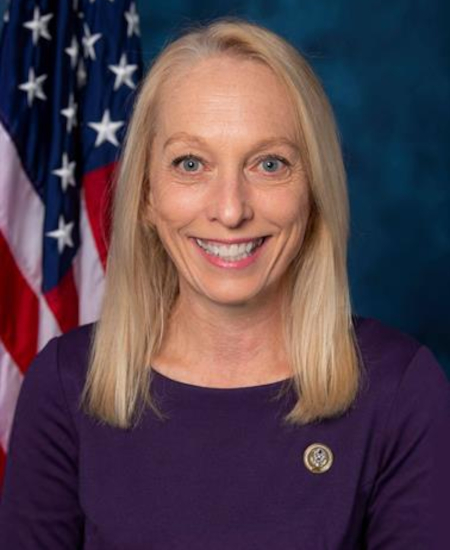
Mary Gay Scanlon
Mary Gay Scanlon House · District 5
D
Support
64% 303
Christopher R. Deluzio
Christopher R. Deluzio House · District 17
D
Support
63% 306
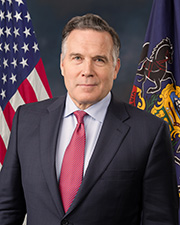
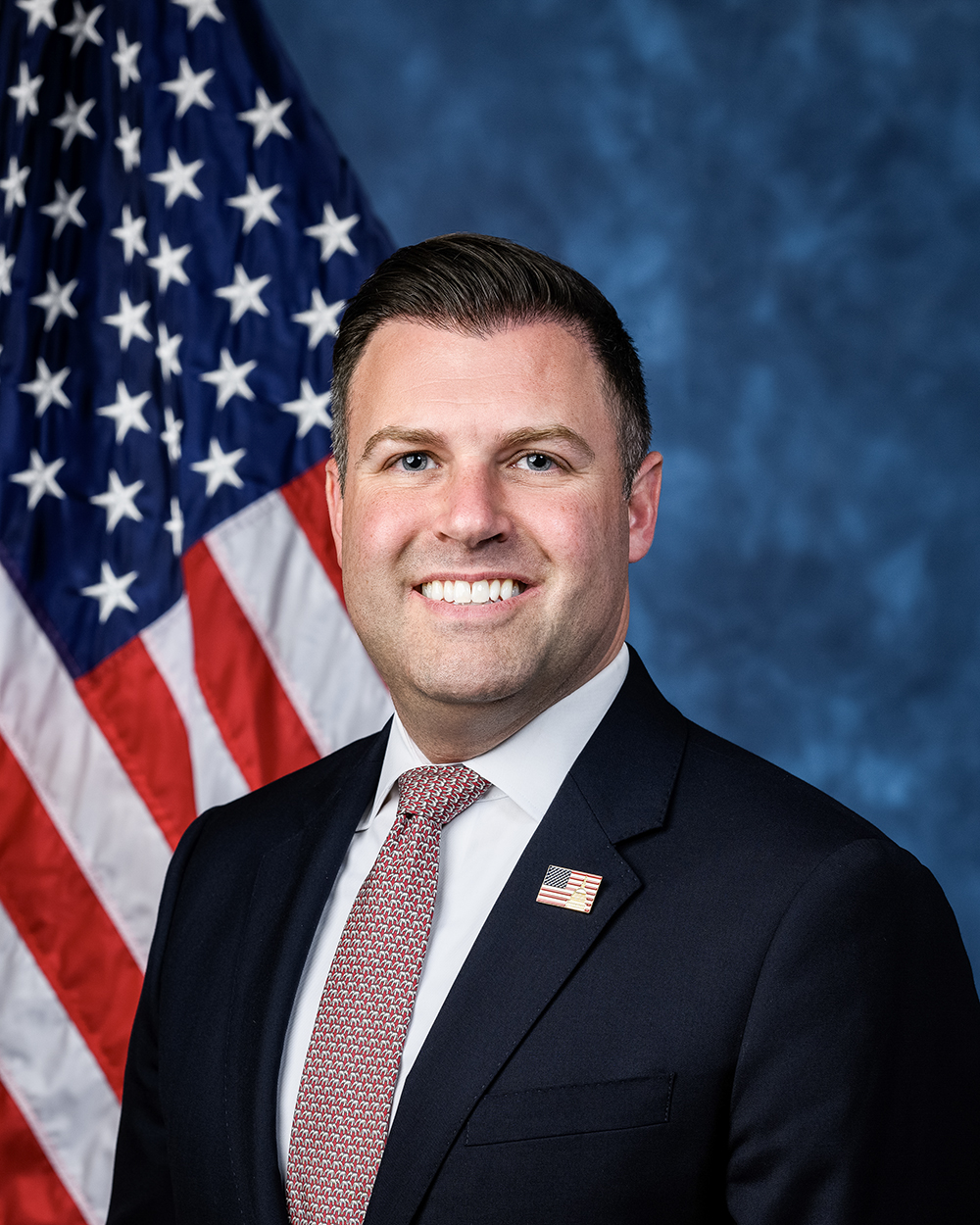
David McCormick
David McCormick Senate
R
Oppose
24% 233
Robert P. Bresnahan, Jr.
Robert P. Bresnahan, Jr. House · District 8
R
Oppose
31% 305
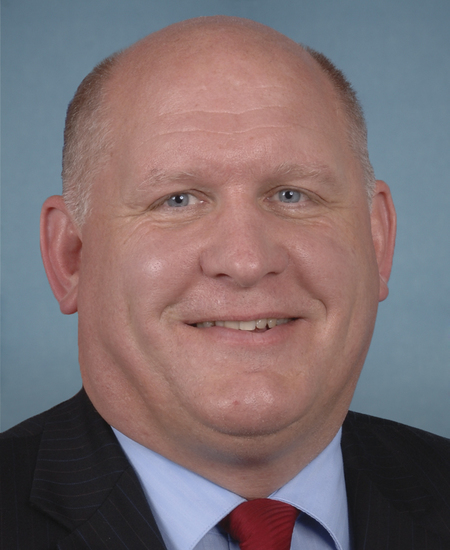
Glenn Thompson
Glenn Thompson House · District 15
R
Oppose
32% 300
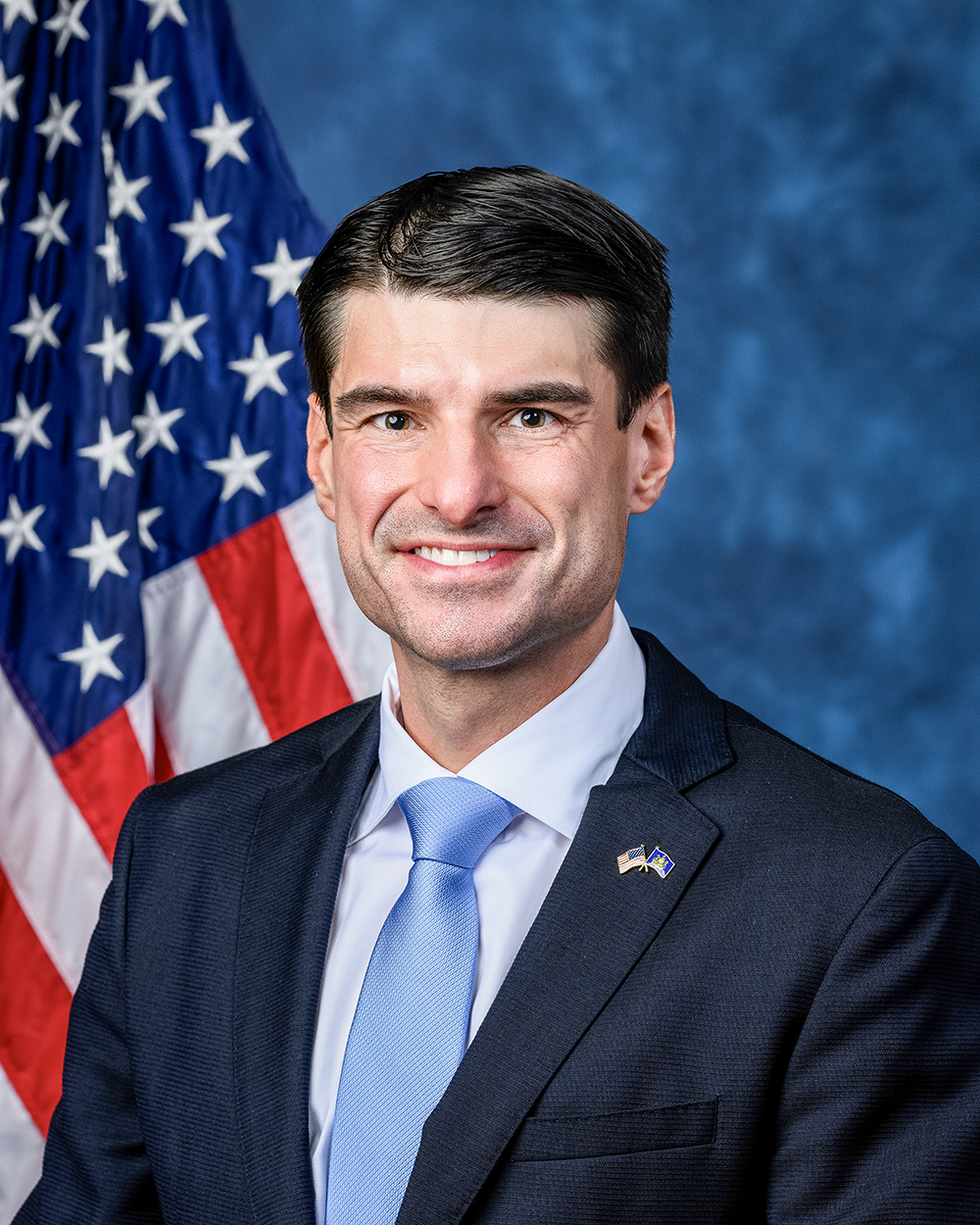
Ryan Mackenzie
Ryan Mackenzie House · District 7
R
Oppose
32% 297
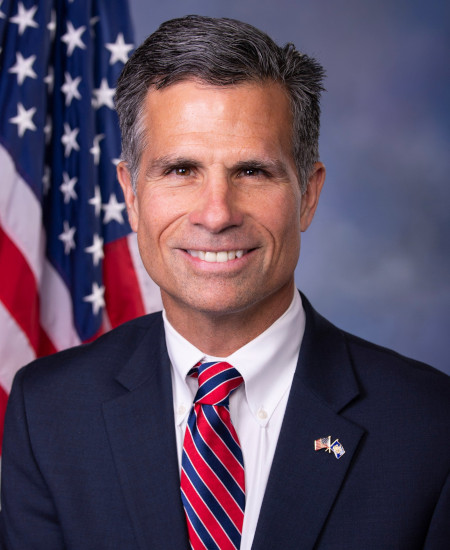
Daniel Meuser
Daniel Meuser House · District 9
R
Oppose
35% 294
Showing 1–10 of 268 bills

All environment bills

in committee · United States · House Sep 10, 2026

HRES 1524: Expressing support for the designation of the week of September 19 through September 26, 2026, as "National Estuaries Week".

This House resolution expresses support for designating the week of September 19 through September 26, 2026, as National Estuaries Week to raise public awareness about the importance of these coastal ecosystems. The bill highlights that estuaries support a significant portion of the U.S. population and economy while providing critical services such as flood control, water filtration, and habitat for fish and wildlife. It acknowledges ongoing threats to estuary health, including pollution and sea level changes, and recognizes the efforts of government agencies, organizations, and individuals working to protect and restore these areas.
in committee · United States · House Jul 23, 2026

HR 9901: To provide that the final rule of the United States Fish and Wildlife Service and National Oceanic and Atmospheric Administration titled "Rescinding the Definition of 'Harm' Under the Endangered Species Act" shall have no force or effect.

This bill would invalidate a final rule issued by the U.S. Fish and Wildlife Service and the National Oceanic and Atmospheric Administration that rescinded the definition of "harm" under the Endangered Species Act. By declaring that the 2026 rule has no force or effect, the legislation aims to restore the previous legal interpretation of how actions can harm protected species. This change directly affects entities subject to the Endangered Species Act by reinstating the broader regulatory framework for protecting endangered and threatened wildlife.
in committee · United States · House Aug 27, 2026

HR 10151: Water Authority Cybersecurity Protection Act

The Water Authority Cybersecurity Protection Act extends the Drinking Water Infrastructure Risk and Resilience Program through fiscal years 2028 and 2029, replacing the previous expiration dates of 2020 and 2021. The bill doubles the authorized funding for technical assistance to $10 million and for grants to small water systems to $20 million. Additionally, it increases the total annual authorization of appropriations for the program from $25 million to $50 million. These changes directly affect public water utilities by providing continued financial support for cybersecurity improvements and risk management.
in committee · United States · House Jul 27, 2026

HR 9959: Green New Deal for Public Schools Act

The Green New Deal for Public Schools Act directs over $700 billion in federal funding to public schools, prioritizing those serving the most vulnerable communities based on CDC social vulnerability rankings. The legislation establishes a new Office of Sustainable Schools and authorizes grants for "healthy green retrofits" that convert school buildings into zero-carbon facilities with clean air, water, and energy systems, while also providing funds to hire additional educators, mental health professionals, and support staff. Additionally, the bill mandates increased federal funding for special education under the Individuals with Disabilities Education Act and creates a climate resiliency program that allows schools to function as community centers during natural disasters. All grant recipients must adhere to strict labor standards, including prevailing wage requirements, Buy American provisions, and local hiring goals that prioritize residents of the surrounding community.
in committee · United States · House Aug 6, 2026

HR 10063: Green New Deal for Public Housing Act

The Green New Deal for Public Housing Act directs the Department of Housing and Urban Development to provide grants to public housing agencies and tribal entities for the comprehensive rehabilitation, energy upgrades, and modernization of public housing stock. These funds are intended to transform properties into zero-carbon homes by installing renewable energy systems, electrifying appliances, and repairing infrastructure, while also establishing workforce development programs that offer training, apprenticeships, and stipends to residents and local low-income workers. The bill mandates strict labor standards, including prevailing wages and the use of U.S.-made materials, and requires agencies to maintain or increase the total number of public housing units while prioritizing resident participation through elected councils and community engagement processes.
in committee · United States · House Aug 10, 2026

HR 10073: Critically Endangered Animals Conservation Act of 2026

The Critically Endangered Animals Conservation Act of 2026 establishes a dedicated fund within the existing Multinational Species Conservation Fund to provide competitive grants for the protection of animal species classified as endangered or critically endangered by the International Union for Conservation of Nature. The Secretary of the Interior will manage this program, awarding financial assistance to foreign wildlife authorities and qualified organizations to support projects such as habitat restoration, illegal trade enforcement, and scientific research aimed at recovering wild populations outside the United States. To ensure accountability and effectiveness, grant recipients must submit periodic progress reports that are generally made available to the public, while specific restrictions prohibit the use of funds for captive breeding unless it is strictly necessary for releasing animals back into the wild. The legislation authorizes $5 million per year in appropriations from fiscal years 2027 through 2032 and requires the Secretary to report on the program's results to Congress every two years.
Sub-Topics Conservation Wildlife
in committee · United States · House Aug 6, 2026

HR 10069: Military Readiness Through Resilient Lands Act

The Military Readiness Through Resilient Lands Act amends the Sikes Act to require the Department of Defense to develop standardized metrics for assessing natural resources on military installations, with a focus on mission readiness, climate resilience, and community safety. The bill mandates the use of advanced technologies, such as remote sensing and artificial intelligence, to collect data on biodiversity, water quality, wildfire risk, and other ecosystem services. Military leaders must use this data to set measurable goals for maintaining or improving environmental conditions and to regularly update their integrated natural resources management plans. Additionally, the Secretary of Defense is required to submit reports to Congress every five years detailing progress in implementing these metrics and how they streamline environmental permitting processes.
Sub-Topics Forestry Water Quality
in committee · United States · Senate Jul 23, 2026

S 5126: Seeds and Breeds for the Future Act

The Seeds and Breeds for the Future Act directs the U.S. Department of Agriculture to allocate at least $75 million annually toward developing new plant cultivars and animal breeds that are publicly funded and available for commercial use. This funding prioritizes research on climate-resilient crops, nutritionally improved varieties for local populations, and breeds adapted to specific regional conditions or dual-use energy systems. The bill also establishes a new coordinator role to oversee breeding research across the department and mandates that any public breed developed with federal funds must be produced substantially within the United States if sold under exclusive rights. Additionally, the legislation requires the implementation of strategic plans to assess and utilize national collections of plant and animal genetic resources, ensuring these materials remain accessible for future agricultural needs.
Tags Agriculture
in committee · United States · Senate Jul 30, 2026

S 5200: Spotted Lanternfly Research and Development Act

The Spotted Lanternfly Research and Development Act designates the fight against the invasive spotted lanternfly as a top research priority for federal agricultural programs. It authorizes the issuance of grants to develop and share new tools and treatments aimed at controlling this pest. Additionally, the bill extends the funding period for these high-priority agricultural research initiatives from 2023 to 2028.
in committee · United States · House Jul 22, 2026

HR 9827: Wildfire Reduction Market Expansion Act of 2026

The Wildfire Reduction Market Expansion Act of 2026 updates the Clean Air Act to broaden the definition of renewable biomass eligible for carbon credits. It specifically allows materials from forest management, such as slash, storm debris, and wood residuals, to be counted as renewable fuel if they come from sustainably managed lands or public forests designated for fuel reduction. The bill also includes vegetation cleared from defensible space around buildings and from wildfire risk reduction projects in the wildland-urban interface. By clarifying these categories and establishing certification requirements, the legislation aims to increase the supply of biomass available for generating renewable energy credits.
Showing 1 to 10 of 268 bills
1 2 3 27 Next