

Issue · Budget & Taxes
Budget & Taxes
Every budget & taxes bill, vote, and legislator stance in Pennsylvania, automatically classified by Maddy, our AI policy reader.
Total bills
697
2025-2026 Regular Session
Top supporter
Camera Bartolotta
94% support rate
Top opponent
Katie Muth
23% support rate
Ranked legislators
10
5 support · 5 oppose
Key legislators
Who's moving budget & taxes in Pennsylvania
| Legislator | Party | Stance | Support rate | Decisive votes |
|---|---|---|---|---|

Camera Bartolotta
Senate · District 46
|
R |
Strong +
|
94% | 31 |
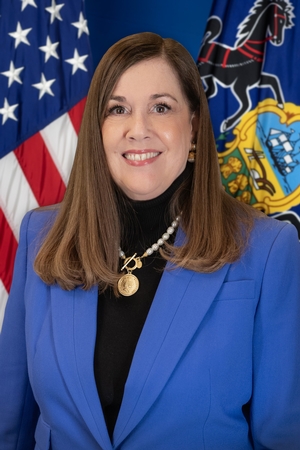
Lisa Baker
Senate · District 20
|
R |
Strong +
|
93% | 28 |

Joe Picozzi
Senate · District 5
|
R |
Strong +
|
92% | 39 |

Frank Farry
Senate · District 6
|
R |
Strong +
|
92% | 36 |
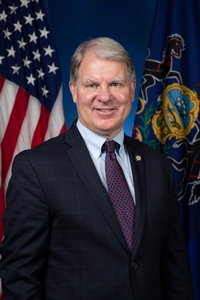
Dave Argall
Senate · District 29
|
R |
Strong +
|
91% | 32 |

Katie Muth
Senate · District 44
|
D |
Oppose
|
23% | 35 |
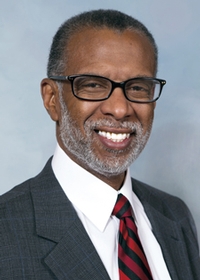
Art Haywood
Senate · District 4
|
D |
Oppose
|
29% | 41 |

Lindsey Williams
Senate · District 38
|
D |
Oppose
|
30% | 30 |

Charity Krupa
House · District 51
|
R |
Oppose
|
31% | 179 |
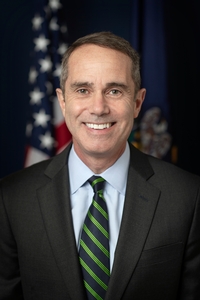
Steve Santarsiero
Senate · District 10
|
D |
Oppose
|
32% | 28 |
Showing 321–330 of 697
bills
All budget & taxes bills
HB 2066: An Act amending the act of March 4, 1971 (P.L.6, No.2), known as the Tax Reform Code of 1971, repealing provisions relating to inheritance tax; in procedure and administration, further providing for petition for reassessment; and, in governmental obligations, further providing for taxability of government obligations.
Sub-Topics
Property Tax
SB 417: An Act amending Title 51 (Military Affairs) of the Pennsylvania Consolidated Statutes, in Department of Military and Veterans Affairs, further providing for Fort Indiantown Gap; and establishing the Service Members, Veterans and their Families Fund.
Topics
✓ Budget & TaxesSupports Budget & TaxesBill establishes revenue-generating leasing of Fort Indiantown Gap land, directing funds to a new veterans/families program, directly funding a specific initiative via budget allocation.
✓ VeteransSupports VeteransBill creates Service Members, Veterans and their Families Fund with revenue from Fort Indiantown Gap leases, expanding quality-of-life programs for veterans.
HB 1834: An Act providing for the regulation of commercial data centers; imposing duties on the Pennsylvania Public Utility Commission, the Department of Human Services and the Pennsylvania Energy Development Authority; establishing the Data Center Low-Income Home Energy Assistance Program Enhancement Account and the Pennsylvania Energy Independence Account; providing for clean firm energy requirements, contract filing, commission review, disclosure requirements, backup generation standards, curtailment standards and certification and expedited interconnection for commercial data centers bringing incremental clean firm energy resources; and imposing penalties.
Topics
✓ Budget & TaxesSupports Budget & TaxesImposes fees on data centers to fund LIHEAP enhancements, increasing state revenue allocation for low-income energy assistance programs.
✓ EnergySupports EnergyMandates renewable energy targets for data centers and funds LIHEAP for low-income energy assistance, directly advancing renewable energy adoption and consumer support.
HB 157: An Act providing for grant awards to entities in rural counties and designated medically underserved areas to pay for the education debt of practitioners employed at the entity.
Topics
✓ Budget & TaxesSupports Budget & TaxesCreates new state grant program funding healthcare workforce retention in underserved areas, directly increasing government spending on essential public services.
✓ HealthcareSupports HealthcareFunds debt relief for rural healthcare practitioners to improve workforce retention in underserved areas, directly enhancing access to medical services.
✓ Labor & EmploymentSupports Labor & EmploymentBill provides state grants to healthcare facilities to cover practitioners' education debt, directly supporting recruitment/retention in underserved areas - advancing employment standards for healthcare workers.
SB 300: An Act amending Title 42 (Judiciary and Judicial Procedure) of the Pennsylvania Consolidated Statutes, in facilities and supplies, further providing for surcharge; and, in forfeiture of assets, providing for legal representation in forfeiture proceedings.
Topics
✓ Budget & TaxesSupports Budget & TaxesAdds $2.25 surcharge to fund legal representation in forfeiture cases, increasing state revenue for public service.
✓ Criminal JusticeSupports Criminal JusticeRequires legal representation for indigent individuals in asset forfeiture cases, protecting civil rights and aligning with criminal justice reform principles.
SB 169: An Act making appropriations from the restricted revenue accounts within the State Gaming Fund and from the restricted revenue accounts within the Fantasy Contest Fund and Video Gaming Fund to the Attorney General, the Department of Revenue, the Pennsylvania State Police and the Pennsylvania Gaming Control Board for the fiscal year beginning July 1, 2025, to June 30, 2026, and for the payment of bills incurred and remaining unpaid at the close of the fiscal year ending June 30, 2025.
SB 1096: An Act amending Title 75 (Vehicles) of the Pennsylvania Consolidated Statutes, providing for supplemental funding for rural infrastructure.
Topics
✓ Budget & TaxesSupports Budget & TaxesAllocates supplemental state funds for rural infrastructure within transportation budget, supporting public service funding and fiscal management.
✓ TransportationSupports TransportationBill allocates supplemental state funding for rural road and bridge repairs, directly advancing transportation infrastructure maintenance per its summary.
HB 700: An Act amending the act of April 9, 1929 (P.L.343, No.176), known as The Fiscal Code, in general budget implementation, further providing for Department of Human Services.
HB 200: An Act establishing family and medical leave benefits, the Paid Family and Medical Leave Account and the Paid Family and Medical Leave Grant Program; conferring powers and imposing duties on the Department of Labor and Industry; and imposing penalties.
Topics
✓ Budget & TaxesSupports Budget & TaxesCreates state-funded program requiring dedicated budget appropriations for paid family leave, advancing government spending on essential worker benefits.
✓ HealthcareSupports HealthcareCreates state-funded paid leave for health issues, improving access to healthcare services without income loss for employees.
✓ Labor & EmploymentSupports Labor & EmploymentCreates state-funded paid family/medical leave program expanding worker benefits, requiring employer provision of leave for health/childbirth/family care, directly strengthening employment protections.
Sub-Topics
Paid Leave