

Maddy summaryS 3302, the Mikaela Naylon Give Kids a Chance Act of 2025, requires drug manufacturers developing cancer treatments to conduct pediatric-focused research for certain drugs targeting pediatric cancer mechanisms. It amends FDA drug approval processes to mandate molecularly targeted pediatric cancer investigations for drugs with new active ingredients or specific approved combinations, ensuring studies address dosing, safety, and efficacy for children. The bill also extends priority review vouchers (which expedite FDA reviews) for rare pediatric disease treatments until 2030 and mandates GAO studies to evaluate how effectively these incentives spur new pediatric cancer drug development. These changes apply to new drug applications submitted three years after the law's enactment, with reports due to Congress at 6, 8, and 10 years.
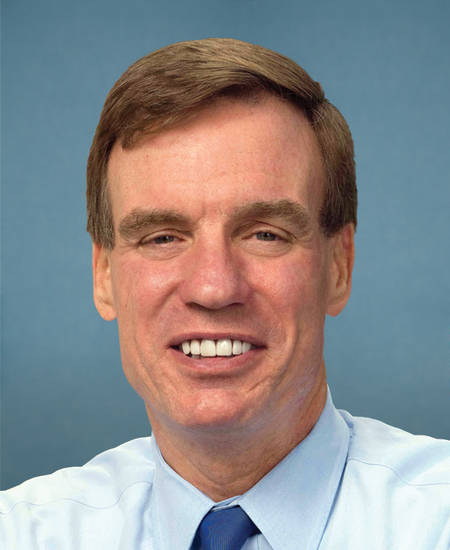
Sen. Mark R. Warner
Sponsored bills
Maddy summaryThe Roadless Area Conservation Act of 2025 would maintain existing protections for designated roadless areas within the National Forest System by prohibiting new road construction, reconstruction, or logging in those areas. It directly affects National Forest lands managed by the U.S. Department of Agriculture’s Forest Service, where the Roadless Rule already restricts such activities. The bill’s key mechanism requires the Secretary of Agriculture to enforce these current restrictions without adding new limitations. This policy change preserves existing protections for watersheds, wildlife habitats, recreation opportunities, and culturally significant sites within these roadless areas.
Maddy summaryS 3267, the ASAP Act, would require Medicare to cover early detection screening tests for Alzheimer's disease and related dementias starting January 1, 2028. The bill defines these tests as FDA-cleared or approved blood, genomic, or imaging-based screenings for pre-symptomatic or early-stage detection. It directly affects Medicare beneficiaries aged 65+ who may be at risk for Alzheimer's, ensuring coverage for these specific tests once approved. The key provision adds these screenings to Medicare's payment system under Section 1833(h)(1)(A) of the Social Security Act.
Maddy summaryThis bill repeals sections 10101 through 10108 of the 2025 Farm Bill (Public Law 119-21) and restores the previous law that existed before those sections were enacted. It directly affects food security programs for American families and farmers by reverting to the prior provisions of the Farm Bill. The key mechanism is a simple repeal and restoration of pre-existing law, without creating new programs or altering current funding structures.
Maddy summaryThis bill establishes the NIH IMPROVE Initiative to advance maternal health research and reduce preventable maternal deaths and serious pregnancy complications. It directs the NIH Director to fund research focused on reducing health disparities, understanding regional factors affecting maternal outcomes, and implementing community-based interventions for disproportionately affected populations. The initiative authorizes $73.4 million annually from 2026 through 2031 for grants and contracts to support this work. The bill directly affects NIH researchers and communities with high maternal mortality rates, particularly those facing racial and geographic health disparities.
Maddy summarySRES 507 designates November 20, 2025, as "National Rural Health Day," continuing an annual observance established in 2011. The resolution recognizes rural health care providers and the communities they serve, acknowledging challenges like hospital closures and access barriers in rural areas. It does not create new policies or funding but formally designates a date for public recognition. This procedural resolution was introduced by multiple senators and passed unanimously.
Maddy summaryThe Background Check Expansion Act requires most private firearm transfers between unlicensed individuals to go through a licensed dealer, who must conduct a background check as if the dealer were selling the firearm. Exceptions include transfers between close family members (like parents and children), law enforcement, temporary safety-related transfers (e.g., preventing domestic violence), and transfers for hunting or target shooting with specific safeguards. Licensed dealers must provide a notice about the background check requirement and have the buyer sign a certification form. The bill does not create a national gun registry and preserves states' authority to enact stricter firearm laws. It takes effect 180 days after enactment.
Maddy summaryThis bill provides federal workers and certain contractors with temporary mortgage payment relief during government shutdowns. It allows covered individuals (federal employees and supporting contractors) to request a 90-day pause on payments for federally-backed mortgages (like FHA, VA, or USDA loans) during a funding lapse and the following 180 days. Servicers must grant this forbearance without charging extra interest, fees, or requiring lump-sum payments later. The bill also requires credit reporting as current during the pause and mandates agencies to notify workers about this right. It does not forgive mortgage debt but temporarily pauses payments during covered shutdown periods.
Maddy summaryThis bill (S 3141, the SAFE Act) prohibits federal Executive agencies from initiating or carrying out layoffs or staff reductions during a government funding gap (shutdown). It directly affects federal employees and agencies by banning actions like reduction-in-force (RIF) proposals, notices, or implementations when appropriations lapse. The law requires any such prohibited action taken after September 30, 2025, to be nullified, with no effect. It explicitly excludes voluntary separation programs under existing law and applies retroactively from the specified date.
Maddy summaryS 3108, the AI-Related Job Impacts Clarity Act, requires covered entities - including publicly-traded companies, government agencies, and certain non-publicly-traded companies identified through future regulations - to report quarterly on AI-driven workforce changes in the U.S. (including territories). Specifically, entities must disclose layoffs due to AI automation, hires for AI-related roles, unfilled positions replaced by AI, and retraining efforts, along with relevant industry codes. The Secretary of Labor will compile this data into public quarterly reports published on the Bureau of Labor Statistics website and submitted to Congress. This law focuses solely on mandating transparency about AI's workforce effects, not on regulating AI use or outcomes. Non-publicly-traded companies will be included only if they meet size or impact thresholds set by future regulations.