

This resolution expresses the sense of the House of Representatives that (1) Congress should adopt a fiscal target to reduce the federal budget deficit to 3% of gross domestic product or less as soon as possible and no later than the end of FY2030; and (2) after the target is achieved, Congress should continue to pursue further deficit reduction with the goal of achieving a balanced federal budget.
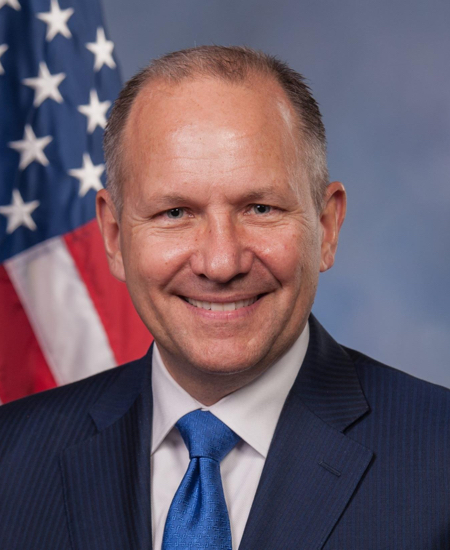
Rep. Lloyd Smucker
Sponsored bills
Maddy summaryHR 6972 (Reporting Accountability and Abuse Prevention Act of 2026) requires health centers receiving federal funds under Title X (which supports family planning services) to comply with all state and local laws requiring reporting of child abuse, sexual abuse, intimate partner violence, and human trafficking. It mandates that these centers create written compliance plans, provide annual training for staff on reporting obligations and safety protocols, screen minors for potential abuse when presenting with STIs or pregnancy, and document all reports. Centers must maintain detailed records of minor patients and reports, and allow federal officials to review these records. Failure to comply can result in corrective action, repayment of funds, or a 36-month ban on future Title X funding for repeat violations.
Maddy summaryThis bill directs the National Cancer Institute to review stomach cancer incidence, risk factors (like H. pylori infection), screening effectiveness, and current awareness efforts among high-risk groups and the public. It also requires the Defense Department to study stomach cancer rates, military-specific risk factors (including burn pit exposure and H. pylori), and disparities among active-duty service members and veterans. Both reviews must be completed within 18 months of enactment, with reports to Congress containing recommendations for improved screening guidelines, prevention strategies, and military health system protocols. The findings aim to inform future public health actions targeting early detection and reducing disparities in stomach cancer outcomes.
Maddy summaryHR 6895, the Debt Solution and Accountability Act, requires the Treasury Secretary to submit detailed reports to Congress before increasing the debt limit. These reports must include current and projected debt levels, drivers of future debt, plans to reduce debt growth (short, medium, and long-term), and analyses of how debt limit actions affect government spending, debt service, and the dollar's global role. The bill also mandates a progress report within 180 days after any debt limit increase or suspension, and requires public posting of all reports on Treasury's website for six months. Additionally, it grants congressional committees specific access to Treasury financial data upon request, including cash flow details and debt transaction information. The bill focuses solely on transparency and reporting requirements, without altering debt policy or spending levels.
Essential Caregivers Act of 2025 This bill prohibits certain health care facilities from limiting the access of essential caregivers to residents of those facilities, including during designated emergency periods. Specifically, the bill generally prohibits Medicare skilled nursing facilities, Medicaid nursing facilities, Medicaid intermediate care facilities, and associated inpatient rehabilitation facilities from restricting the access of essential caregivers to residents of the facilities, including during emergency periods in which visitation rights are otherwise restricted. During emergency periods, facilities may restrict access for an initial period of up to seven days and for one additional maximum seven-day period (if the additional period is approved by the state health department). Facilities may restrict access for a total of 7 days (or 14 days with the approval of the state health department) during an emergency period. Essential caregivers must agree to comply with any safety protocols set by the facility, which may be no more stringent for caregivers compared to those for staff. Caregivers who fail to comply with these requirements may be denied access, subject to an appeals process.
Miracle on Ice Congressional Gold Medal Act This act provides for the award of Congressional Gold Medals to the members of the 1980 U.S. Olympic men's ice hockey team in recognition of the team's achievement at the 1980 Winter Olympic Games.
Maddy summaryHR 1461 designates the U.S. Postal Service facility at 521 Thorn Street in Sewickley, Pennsylvania, as the "Mary Elizabeth 'Bettie' Cole Post Office Building." The bill updates all official references to this specific post office location to reflect the new name. This is a ceremonial naming resolution honoring Mary Elizabeth "Bettie" Cole, with no new policies, funding, or operational changes to the postal facility.
Maddy summaryHRES 932 is a symbolic resolution passed by the House of Representatives that condemns six specific members of Congress (including Senators Kelly and Slotkin and Representatives Crow, Deluzio, Goodlander, and Houlahan) for allegedly making statements that encouraged military and intelligence personnel to disobey orders from the President. The resolution claims these lawmakers falsely suggested the administration issued "illegal orders" and undermined the military chain of command, violating the Uniform Code of Military Justice (UCMJ). It does not create new laws or policies but formally denounces the lawmakers' statements as "dangerous and seditious rhetoric." As a procedural resolution, it has no binding effect on military conduct or policy.
Maddy summaryHR 6420 (the ACCESS Act) defines and regulates "short-term limited duration insurance" (STLDI) as health coverage with a contract term under 12 months and total duration under 3 years, including renewals. The bill changes existing health care rules to allow STLDI to be marketed as a temporary coverage option during transitions like job changes, specifically for small businesses and workers needing flexible, affordable plans while avoiding full-year coverage requirements. This directly affects small business owners and employees seeking portable, low-cost health insurance during coverage gaps, without requiring the full benefits of standard plans.
Maddy summaryThe IMPACT Act of 2025 amends the Affordable Care Act to expand eligibility for catastrophic health insurance plans. Specifically, it allows individuals who do not qualify for financial subsidies or tax credits based on their household income to purchase these plans. This change modifies the existing rules that previously restricted catastrophic plans primarily to those with higher incomes who were ineligible for premium assistance. The new eligibility rules will take effect for insurance plan years starting six months after the law is enacted.