

Maddy summaryHR 4512, the TRANS MICE Act, prohibits federal funding for research on non-human vertebrate animals (excluding certain species that naturally change sex or have both reproductive organs) that aims to alter their physical characteristics to no longer match their biological sex. This includes research disrupting development, inhibiting natural body functions, or modifying appearance. The bill directly affects federally funded researchers and institutions conducting such animal studies, banning all federal financial support for this specific type of research. It does not ban the research itself but restricts the use of taxpayer funds for it, applying to mammals, birds, fish, reptiles, and amphibians (excluding "excepted animals" like some hermaphroditic species). The law focuses on funding mechanisms, not on human transgender care.
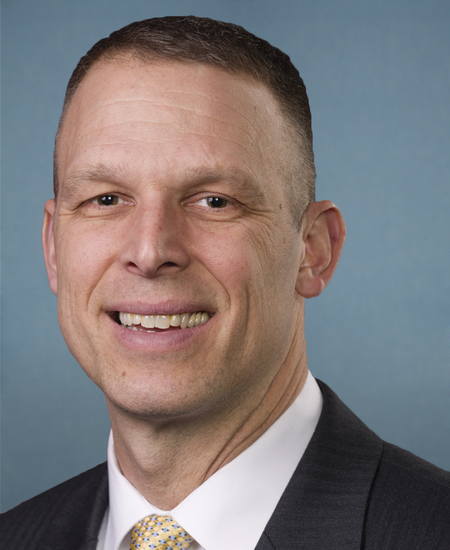
Rep. Scott Perry
Sponsored bills
Maddy summaryHR 1919, the "Anti-CBDC Surveillance State Act," prohibits the Federal Reserve from developing, testing, or issuing any central bank digital currency (CBDC) or similar digital assets. It specifically bans the Fed from offering direct financial products to individuals, maintaining individual accounts, or issuing CBDCs directly or indirectly through intermediaries like banks. The bill also blocks the Fed from using any digital asset for monetary policy and clarifies that physical currency's privacy protections remain intact. This policy directly affects the Federal Reserve System's ability to create or manage digital monetary tools.
Maddy summaryHR 4448, the Restoring Equal Opportunity Act, prohibits lawsuits alleging discrimination based on "disparate impact" in employment and housing. It amends the Civil Rights Act of 1964 and Fair Housing Act to ban claims where a neutral policy (like a test or screening rule) unintentionally disadvantages protected groups (such as race or gender), even if there was no discriminatory intent. The bill also nullifies specific federal regulations implementing civil rights laws, removing legal grounds for such claims under current enforcement rules. This directly affects employers, housing providers, and federal agencies that enforce civil rights laws, changing how discrimination claims can be brought in court.
Maddy summaryThe SHIELD Act would change unemployment benefit eligibility by barring workers from receiving regular unemployment compensation if they are unemployed due to a strike or labor dispute they are participating in, financially supporting, or have a direct interest in (excluding lockouts). This rule would require states to adjust their unemployment programs to deny benefits in such cases. The changes would take effect two years after the bill becomes law, though states could choose to implement them sooner. The bill also repeals a federal tax provision related to unemployment tax rates, but this is a secondary provision.
Maddy summaryHR 4201, the TPS Reform Act of 2025, changes how Temporary Protected Status (TPS) is granted to immigrants from foreign countries facing crises. It requires Congress, not the executive branch, to pass a specific law designating a country for TPS, based on strict criteria like ongoing armed conflict, major natural disasters, or extraordinary conditions preventing safe return. The law sets clear time limits: initial designations last up to 18 months, with extensions capped at 12 months, and mandates Congress to find that crisis conditions continue for any extension. This directly affects immigrants from designated countries who would otherwise be allowed to live and work temporarily in the U.S. due to unsafe conditions in their home countries. The bill also shifts administration from the Attorney General to the Secretary of Homeland Security.
Maddy summaryHR 4200, the End DED Act, prohibits federal funding for the Deferred Enforced Departure (DED) program, which provides temporary immigration protections to individuals from specific countries. It directly affects approximately 100,000 people currently covered under DED from nine nations (including Haiti, El Salvador, and Venezuela), who would lose their work authorization and travel privileges if the program is defunded. The bill’s key provision bans all federal funds from being used to implement or administer DED or any successor program. This addresses congressional concerns that DED - a policy created solely by executive action without statutory authority - undermines Congress’s constitutional power over immigration, which it delegated to Temporary Protected Status (TPS) instead.
Maddy summaryThe Employee Rights Act (HR 4154) makes several significant changes to labor law. It requires secret ballot elections for union representation, prohibits employees without lawful immigration status from voting in union elections, and establishes new privacy protections for employee information used in organizing campaigns. The bill also changes the criteria for determining employee status under labor laws, creates "independent negotiating" for workers who have left union representation, and restricts what can be included in collective bargaining agreements regarding diversity initiatives. These changes would affect workers, employers, and labor organizations across the United States.
Maddy summaryHR 4172, the OCED Elimination Act, abolishes the Office of Clean Energy Demonstrations (OCED) within the U.S. Department of Energy. It repeals Section 41201 of the Infrastructure Investment and Jobs Act (42 U.S.C. 18861), which previously authorized the OCED's operations. This bill directly affects the Department of Energy by eliminating a specific office and its associated funding mechanisms for clean energy demonstration projects. The change removes a dedicated structure for advancing clean energy demonstrations but does not alter broader clean energy funding programs. As a procedural bill, it focuses solely on the elimination of the office and its related statutory provision.
Maddy summaryThe LEDGER Act (HR 4091) requires the Treasury Department to create a system tracking every government payment within 180 days of enactment. It mandates that all federal departments, agencies, and branches (executive, legislative, judicial) must report disbursements from every funding source, including how long funds remain available for spending. This system will detail each payment's origin, recipient, and timing across all government accounts. The bill directly affects all federal spending entities by standardizing expenditure tracking previously handled inconsistently.
Maddy summaryThis bill exempts propane tanks with a capacity of up to 126,000 pounds from certain security regulations (CFATS) under the Homeland Security Act. It directly affects small to medium propane storage facilities and businesses that own or operate these tanks. The key provision requires the Secretary of Homeland Security to take necessary actions to remove these tanks from the CFATS regulatory framework. This change simplifies compliance for affected businesses by eliminating a specific federal security requirement they previously faced.