

Maddy summaryHRES 858 is a resolution by the U.S. House of Representatives to impeach Chief Judge James E. Boasberg of the U.S. District Court for the District of Columbia. It alleges he abused his authority by issuing "frivolous" nondisclosure orders that prevented Members of Congress from being notified of legal process and covered conservative organizations and individuals. These orders, the resolution claims, violated constitutional protections for Congress and a federal law (2 U.S.C. § 6628) safeguarding Senate communications. The resolution would send the impeachment charge to the U.S. Senate for trial, seeking removal from office.
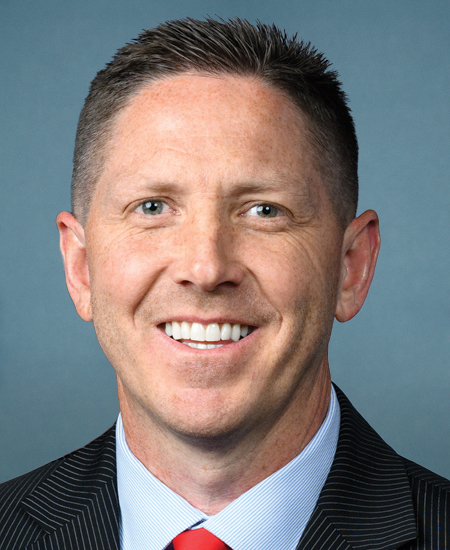
Rep. Josh Brecheen
Sponsored bills
Maddy summaryThis bill ensures that critical firearm-related government operations continue during federal shutdowns. It designates background checks (via the FBI's National Instant Criminal Background Check System), Bureau of Alcohol, Tobacco, Firearms and Explosives enforcement, and firearm export licensing (handled by Commerce and State Departments) as essential services that must remain operational. These functions would be treated as "excepted" under federal law, meaning their employees would continue working even if other government services halt. The bill affects how background checks and firearm export licenses are processed during shutdowns but does not change gun ownership laws or eligibility.
Maddy summaryThe No Tax Exemptions For Terror Act would deny tax-exempt status under section 501(c)(3) of the Internal Revenue Code to the Council on American-Islamic Relations (CAIR) and any organization determined to have ties to terrorism or terrorist groups. This means these organizations would no longer qualify for federal tax-exempt status, requiring them to pay income taxes on their earnings. The provision applies to taxable years ending after the bill's enactment date. The bill directly affects organizations identified by the government as having connections to terrorism.
Maddy summaryHR 5815, the District of Columbia Medicaid Fairness Act, adjusts federal Medicaid funding for Washington D.C. by setting a specific Federal Medical Assistance Percentage (FMAP) for the district. It directly affects D.C. residents enrolled in Medicaid by guaranteeing a minimum federal funding share: 70% for fiscal years before 2027, gradually decreasing to 55% by 2029. For fiscal years 2030 and beyond, D.C. will receive the standard FMAP rate calculated under the Social Security Act, without the special adjustment. This change ensures D.C. receives a higher federal share than it would under the standard formula until 2029, after which it aligns with other states. The bill modifies Section 1905 of the Social Security Act to implement these funding adjustments.
Maddy summaryThis resolution proposes impeaching Judge Deborah Boardman of the U.S. District Court for the District of Maryland, alleging she violated judicial standards by sentencing Nicholas John Roske - a man who attempted to assassinate Supreme Court Justice Brett Kavanaugh - to eight years (instead of the 30-year recommendation) - based on Roske’s transgender identity. The resolution claims Judge Boardman’s decision, which cited Roske as a "transgender woman" in sentencing, undermined the law and impartiality required of federal judges. It argues this conduct constitutes "high crimes and misdemeanors" by violating the constitutional standard for judicial "good behavior." The resolution is now referred to the House Judiciary Committee for further review.
Maddy summaryThis bill, HR 5789 (the Donald J. Trump Congressional Gold Medal Act), authorizes Congress to award a gold medal to former President Donald J. Trump. It recognizes his "extraordinary peacemaking efforts" as described in the bill's findings, including a fictional 2025 Israel-Hamas peace agreement and other alleged diplomatic achievements. The key provision directs the Treasury Secretary to design and strike the medal, with bronze duplicates available for sale to cover costs. The bill does not create new laws or affect any policies; it is a ceremonial honor for Trump, with no direct impact on constituents or legislation.
Maddy summaryThis bill would deny visas and immigration benefits to individuals who adhere to Sharia law, directly affecting immigrants and visa applicants. It allows officials to revoke existing immigration benefits, deport people found adhering to Sharia, and penalize false statements about Sharia adherence. Decisions under this law would be final and unreviewable by courts. The policy changes immigration eligibility based solely on adherence to Sharia law, with no judicial oversight.
Maddy summaryThis bill would require all states to recognize valid concealed carry permits issued by other states, allowing permit holders to carry concealed handguns (excluding machine guns) in any state that either issues such permits or doesn't prohibit concealed carry. It directly affects law-abiding gun owners with valid permits from their home state, ensuring they can carry in states with similar permit systems or no prohibitions. Key provisions include treating valid permit documents as proof of legal carry (reducing officer stops), shifting the burden of proof to prosecutors if challenged, and allowing civil lawsuits for violations with attorney's fee awards. The bill does not override state laws restricting firearms on private property or government land, nor does it affect federal gun restrictions like those in section 922(q).
Maddy summaryThis bill withholds federal grant funding from states or local governments that implement specific policies. It prohibits funding for jurisdictions with laws that substantially limit cash bail for certain serious crimes (like violent offenses or public disorder) or allow felony convicts to be released without bail. It also blocks funding for cities classified as "urbanized areas" that reduced police budgets (unless due to a general budget shortfall). The policy directly affects local governments and states that adopt these specific approaches to criminal justice or law enforcement funding. The bill modifies two existing federal grant programs to enforce these eligibility rules.
Maddy summaryHR 5483, the Chloe Cole Act, prohibits health care professionals, hospitals, or clinics from providing certain gender-affirming treatments to minors under 18 that aim to alter their body to align with a gender identity different from their sex assigned at birth. This includes puberty blockers, sex hormones, and specific surgeries, unless the treatment falls under narrow exceptions like medically necessary care for disorders of sexual development, injuries, or detransition. The bill creates a private right for affected minors or their guardians to sue providers for damages in federal court, with strict liability for violations. It applies when interstate commerce is involved (e.g., payments, travel, communications) and sets a 25-year statute of limitations from the minor’s 18th birthday.