

Maddy summaryThis bill would amend federal law to strengthen penalties for organized retail crime by expanding definitions of theft to include digital goods, gift cards, and setting a $5,000 aggregate value threshold for charges over a 12-month period. It would establish a new "Organized Retail and Supply Chain Crime Coordination Center" under Homeland Security to coordinate Federal, State, local, and Tribal law enforcement efforts against cross-jurisdictional theft groups. The Center would share information with retailers, transportation companies, and law enforcement agencies, track crime trends, and produce annual reports on organized retail crime. This legislation directly affects retailers, supply chain businesses, and law enforcement agencies, while targeting organized crime groups responsible for a 93% increase in larceny incidents and rising safety concerns for retail employees. The bill aims to address significant financial losses and supply chain disruptions noted in the National Retail Federation's 2023 data.
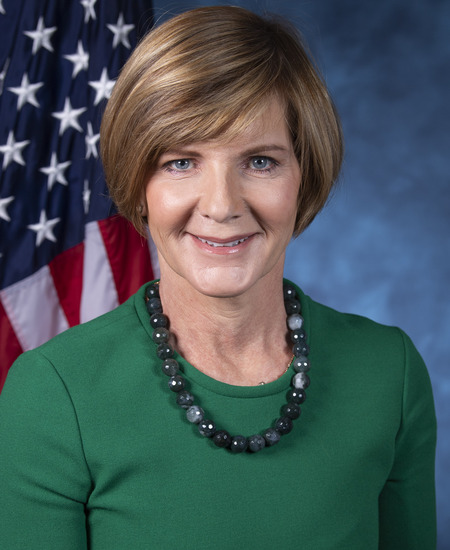
Rep. Susie Lee
Sponsored bills
Maddy summaryThe Full-Service Community School Expansion Act of 2026 authorizes billions of dollars in federal funding to expand a program that helps public schools in high-poverty areas provide integrated student supports, extended learning time, and active community engagement. The bill establishes specific roles for coordinators and directors to manage these efforts and requires schools to form leadership teams that include students, parents, educators, and community members. Funding is distributed through competitive grants to local educational agencies, states, and tribal organizations, with priority given to schools serving low-income students and those in rural or tribal areas. The legislation also mandates regular reporting on student outcomes and school climate to ensure accountability and continuous improvement.
Maddy summaryH.R. 1243 is a House resolution that formally recognizes May as Asian American, Native Hawaiian, and Pacific Islander Heritage Month to celebrate the contributions of these communities to U.S. history. The bill highlights the diverse populations, historical milestones, and significant achievements of Asian Americans, Native Hawaiians, and Pacific Islanders in government, the military, and society. It also acknowledges the ongoing challenges faced by these groups, including a rise in hate crimes and historical discrimination. As a commemorative resolution, the measure does not create new laws or funding but serves to express official congressional appreciation and awareness.
Maddy summaryThis resolution expresses the sense of the House of Representatives that antisemitic rhetoric from specific online personalities, including Hasan Piker and Candace Owens, is dangerous and contributes to hatred. It urges social media platforms to enforce their policies against hate speech and calls on public officials to condemn such conduct without exception. The bill does not impose new laws or penalties but instead highlights specific instances of alleged hate speech to emphasize the need for responsibility among influencers and technology companies.
Maddy summaryThe PRIMATE Act prohibits the importation of live nonhuman primates into the United States, with specific exceptions for accredited zoos and aquariums. Under this law, importers must certify that these animals will not be used for experiments, testing, or breeding for such purposes. U.S. Customs and Border Protection will deny entry to shipments containing these animals, and violators face civil penalties of up to $50,000 per violation or forfeiture of the animals. The Department of the Treasury is required to issue detailed regulations to enforce these rules within one year of the bill's enactment.
Maddy summaryThe Momnibus Act is a comprehensive legislative bill designed to improve maternal health outcomes across the United States by addressing social determinants of health, expanding access to care, and reducing disparities among pregnant and postpartum individuals. The bill establishes a federal task force to coordinate efforts between agencies and stakeholders to eliminate preventable maternal mortality and severe morbidity, while providing sustained funding to community-based organizations to address nonclinical factors like housing, nutrition, and transportation. Key provisions include extending WIC eligibility to 24 months postpartum, creating grants to grow and diversify the perinatal workforce, implementing respectful maternity care training for all healthcare employees, and establishing compliance programs to track and address bias in maternity care settings. The legislation also includes specific measures for incarcerated mothers, veterans, and vulnerable populations affected by climate change, alongside funding for maternal mental health services and technology-enabled care models to expand access in underserved areas.
Representing our Seniors at VA Act of 2025 This bill expands the membership of the Geriatrics and Gerontology Advisory Committee within the Veterans Health Administration by requiring the addition of one representative from the National Association of State Veterans Homes who holds a professional license in nursing home administration. Additionally, the committee must consult with the National Association of Veterans State Homes with respect to matters concerning the association.
Maddy summaryThis concurrent resolution formally recognizes the ongoing disparity between wages paid to men and women in the United States and reaffirms Congress's commitment to supporting equal pay. It highlights statistical data showing that women earn approximately 81 cents for every dollar earned by men, with significant variations across racial and ethnic groups, and notes that the gender wage gap has widened over the past two years. The document also identifies contributing factors such as occupational segregation, lack of family-friendly workplace policies, and workplace harassment, while emphasizing the economic impact on women's retirement security and family incomes.
Maddy summaryThis bill establishes a grant program within the Department of Labor to help create and expand registered apprenticeship programs focused on cybersecurity training. The program would provide funding to workforce intermediaries, which can be partnerships involving businesses, educational institutions, and community organizations, to develop apprenticeships that lead to specific cybersecurity careers. Grant recipients must use at least 85 percent of funds for program development, employer partnerships, and support services like mentorship and transportation assistance for apprentices, while up to 15 percent can be used for outreach and marketing. The apprenticeships would cover technical instruction and industry-recognized certifications in areas such as network security, ethical hacking, and system administration, targeting occupations like cybersecurity technicians and computer systems analysts.
Maddy summaryHR 7653, the Biodefense Diplomacy Enhancement Act, requires the U.S. Secretary of State to develop two new strategies to strengthen international cooperation on biodefense, biosecurity, and biotechnology. The bill mandates a NATO Biodefense Strategy to improve alliance coordination on biological threat response and a broader International Cooperation Strategy to enhance partnerships with U.S. allies and major non-NATO partners on export controls for dual-use biotech items and adherence to safety standards. These strategies must identify gaps in current efforts, recommend improvements, and assess coordination with U.S. agencies, with reports due to Congress within 270 days of enactment. The bill directly affects U.S. diplomatic engagement with NATO and allied nations on biological threat preparedness, focusing on policy development, capabilities, and enforcement of the Biological Weapons Convention.