

Maddy summaryHR 2240 requires federal agencies to analyze data gaps related to law enforcement safety and wellness. Specifically, it mandates three reports within 270 days of enactment: one on attacks against officers (including ambushes), another on unreported aggressive incidents not meeting crime thresholds, and a third on officer mental health impacts and existing wellness resources. The reports will examine current data collection limitations, training effectiveness, and potential improvements to reporting systems like the Law Enforcement Officers Killed and Assaulted Data Collection. This bill focuses on gathering information to inform future policy decisions, not on creating new programs or funding. It directly affects federal agencies (Attorney General, FBI, National Institute of Justice) and aims to improve understanding of officer safety challenges.
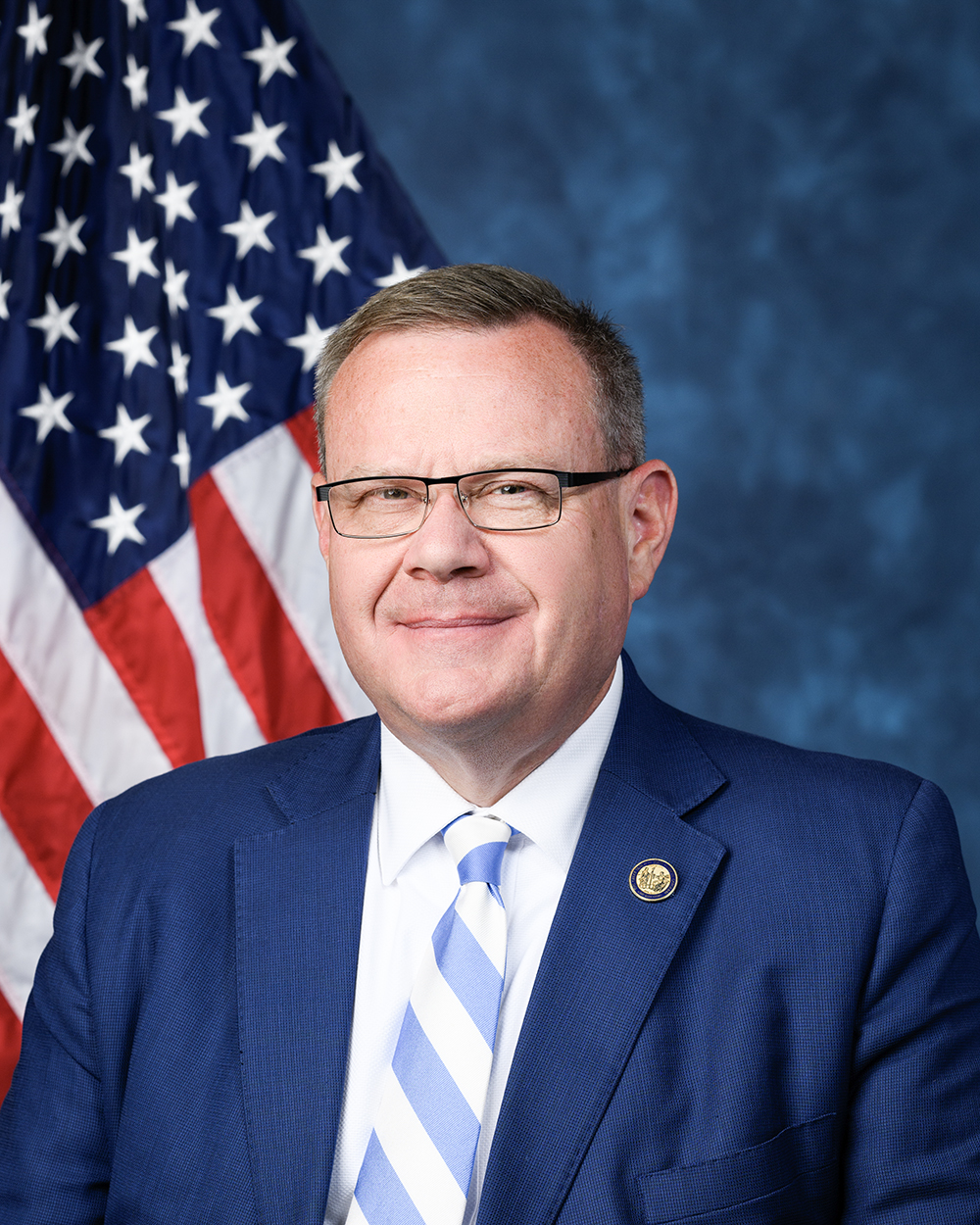
Rep. Tim Moore
Sponsored bills
Maddy summaryHRES 421 is a resolution memorializing 345 law enforcement officers killed in the line of duty during 2024, listing each officer's name. It expresses the House of Representatives' support for law enforcement, acknowledges the sacrifice of these officers, and recognizes the need for adequate resources to protect officers while they serve the public. The resolution also extends condolences to the families of fallen officers. As a ceremonial resolution, it does not create new laws or policies but serves as a formal tribute.
Maddy summaryHR 3437, the Insurance Data Protection Act, prevents duplicate data collection from insurance companies by requiring federal financial regulators to coordinate with state insurance regulators before gathering data already available through other channels. It reinforces confidentiality by ensuring that sharing nonpublic data with federal regulators does not waive privacy protections under federal or state law, and maintains existing confidentiality agreements. The bill also establishes that data shared with regulators can only be provided to state regulators through new agreements that comply with privacy laws. This directly affects insurance companies (as "covered entities"), federal financial regulators, and state insurance regulators. The key change is creating a formal process to avoid redundant data requests while strengthening data privacy for the insurance industry.
Maddy summaryThis bill changes the governance structure of the Consumer Financial Protection Bureau (CFPB) from a single Director to a 5-member commission. The commission would require at least 2 members with private sector financial experience and at least 1 member with State bank supervision experience, all appointed by the President with Senate confirmation. The bill updates references to "Director" throughout various laws to "Commission" or "Chair" to reflect this new structure. These changes aim to create a more balanced leadership model for the Bureau while maintaining its regulatory authority over consumer financial products and services.
Maddy summaryHRES 364 is a non-binding resolution urging local communities to support nonprofits that provide resources to Gold Shield Families. These families include relatives of fallen first responders - such as police officers, firefighters, EMTs, and emergency dispatchers - who died while serving in the line of duty. The resolution does not create new laws but encourages community engagement with existing support organizations. It aims to assist these families during their time of hardship and grief by promoting the use of available resources.
Maddy summaryThis bill increases mandatory prison sentences for non-citizens convicted of certain crimes after entering the U.S. without authorization or being deported. It raises the minimum sentence from 2 to 5 years for those who improperly enter the U.S. and later commit a crime punishable by over one year in prison. For non-citizens previously deported who commit crimes, it increases the minimum sentence from 2 to 10 years and mandates at least 10 years for offenses including aggravated felonies, state/federal felonies, or crimes punishable by over one year. These changes apply to all non-citizens convicted under these circumstances, regardless of jurisdiction.
Maddy summaryHR 3213, the Restoring Court Authority Over Litigation Act of 2025, clarifies that state and federal courts - not federal agencies - have primary authority to regulate attorneys during legal proceedings. The bill prohibits federal agencies like the Consumer Financial Protection Bureau from regulating attorneys' litigation activities (such as filing court documents or arguing cases) and bans private lawsuits against attorneys for conduct in court. It amends the Fair Debt Collection Practices Act and Consumer Financial Protection Act to explicitly exclude attorneys engaged in litigation from certain regulations. This directly affects attorneys, law firms, and courts by reducing federal regulatory overlap and reinforcing courts' traditional role in overseeing legal conduct.
Maddy summaryThis bill creates a new system for recognizing and regulating individuals who help veterans file benefit claims. It requires the VA to provide veterans with information about free assistance options and maintain a public list of accredited representatives. The bill sets a maximum fee limit of $12,500 or 5 times the monthly benefit increase for representatives, and establishes penalties for unaccredited representatives who charge improper fees. The law aims to protect veterans from unscrupulous representatives while ensuring they have access to quality assistance with their benefit claims.
Maddy summaryThe STABLE Act of 2025 establishes a regulatory framework for stablecoins, which are digital assets designed to maintain a stable value relative to a national currency. It restricts stablecoin issuance to "permitted payment stablecoin issuers," including bank subsidiaries, federally-approved nonbank entities, and state-qualified issuers. These issuers must maintain 1:1 reserves backed by specific assets (like U.S. currency, Treasury securities, or demand deposits), publish monthly reserve reports, and cannot pay interest to stablecoin holders. The Act also includes transparency requirements, restrictions on leadership (prohibiting those with certain felony convictions), and preempts conflicting state laws for federally-approved issuers.
Maddy summaryHR 976, the "1071 Repeal to Protect Small Business Lending Act," would repeal data collection and reporting requirements for small business loans under Section 704B of the Equal Credit Opportunity Act. This specifically removes the mandate for financial institutions - especially community banks and credit unions - to track and submit loan data by business characteristics like race or gender. The bill aims to reduce compliance costs for lenders, which its findings argue limit small business access to credit. The repeal would eliminate these reporting obligations and remove references to the requirement from related federal laws.