

Maddy summaryThe SERVE Act extends various Veterans Affairs benefits to former military members who were discharged specifically due to their sexual orientation or gender identity. This legislation amends existing laws to include these individuals in access to hospital care, mental health counseling, burial in national cemeteries, post-9/11 education assistance, and VA housing loans. The bill also requires the Department of Veterans Affairs to notify affected service members about available benefits and mandates a report within 15 months detailing how many individuals have received these services.
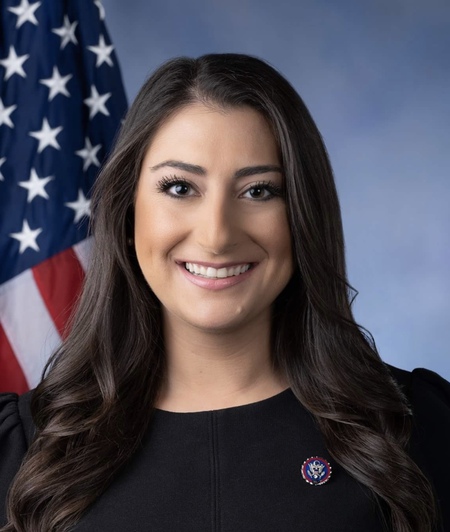
Rep. Sara Jacobs
Sponsored bills
Maddy summaryThis bill directs the Food and Drug Administration (FDA) to revise labeling regulations for beverages marketed to children aged 12 to 36 months, directly impacting manufacturers and parents/caregivers. It would prohibit these "toddler drinks" from using the term "formula" and require them to use descriptive names like "milk-based drink" or "soy-based drink powder," adding terms like "sweetened" or "flavored" if applicable. Additionally, labels would need to include clear disclaimers cautioning against consumption by infants and stating that such beverages are not recommended for children 12-24 months or necessary for a healthy diet, particularly if they contain added sugars. The bill also prohibits labels from suggesting a recommended daily intake for these toddler beverages.
Maddy summaryThis bill establishes a grant program to help vulnerable mothers and babies in areas with high climate-related health risks, such as extreme heat and air pollution. It directs the Department of Health and Human Services to award up to $105 million over four years to community groups, healthcare providers, and local organizations for initiatives that provide cooling resources, health education, and support services. The program prioritizes areas with high rates of maternal and infant health disparities and requires grantees to address racial and ethnic inequities. Additionally, the bill creates a research consortium at the National Institutes of Health to study climate impacts on birth outcomes and funds training programs for health profession schools to better prepare providers for these risks.
Maddy summaryThe Momnibus Act is a comprehensive legislative bill designed to improve maternal health outcomes across the United States by addressing social determinants of health, expanding access to care, and reducing disparities among pregnant and postpartum individuals. The bill establishes a federal task force to coordinate efforts between agencies and stakeholders to eliminate preventable maternal mortality and severe morbidity, while providing sustained funding to community-based organizations to address nonclinical factors like housing, nutrition, and transportation. Key provisions include extending WIC eligibility to 24 months postpartum, creating grants to grow and diversify the perinatal workforce, implementing respectful maternity care training for all healthcare employees, and establishing compliance programs to track and address bias in maternity care settings. The legislation also includes specific measures for incarcerated mothers, veterans, and vulnerable populations affected by climate change, alongside funding for maternal mental health services and technology-enabled care models to expand access in underserved areas.
Maddy summaryHR 8345 establishes the "Economy of the Future Commission" to study and develop consensus legislative recommendations addressing economic changes caused by the widespread adoption of artificial intelligence. Composed of 12 congressional appointees with expertise in AI, education, workforce retraining, or taxation, and 4 non-voting federal officials, the Commission will examine AI's impact on areas such as workforce development, education, social safety net programs, and government operations. Its duties include evaluating current programs and recommending policies for improving education, reskilling employees, unemployment insurance, taxation, and maintaining global competitiveness in AI-affected industries. The Commission is mandated to produce an interim report within seven months and a final report with detailed legislative recommendations within thirteen months, after which it will terminate.
Maddy summaryThe Helping Ensure Reliable Opportunities in Child Care for Military Families Act aims to improve child care services for military families by addressing staffing and data challenges at military child development centers. It expands the pool of eligible child care providers, including national service volunteers, and establishes a "preclearance" system for background checks and health screenings for prospective child care employees. The bill also authorizes job-sharing arrangements and allows the Department of Defense to offer limited benefits like commissary access and tuition assistance to child care employees to aid recruitment and retention. Finally, it mandates a unified data system to monitor child care capacity, staffing, and waitlists, and requires reports analyzing child care availability's impact on military readiness.
Maddy summaryThis bill mandates that the U.S. Secretaries of State and Treasury jointly review the Rapid Support Forces (RSF) of Sudan within 90 days to determine if they meet the criteria for a global terrorist organization. If the RSF is affirmatively designated, the President must impose sanctions, which include freezing their assets within U.S. jurisdiction and preventing associated individuals from entering the United States. The bill provides exceptions for humanitarian assistance, U.S. national security activities, and allows for a waiver of sanctions if it's deemed important for U.S. national security interests. Concurrently, the Secretary of State must submit a report to Congress detailing the designation decision, foreign support to the RSF, and the implications of the designation.
Maddy summaryThe Supporting VA Families Act grants unpaid parental leave to Department of Veterans Affairs employees. This provision allows employees to take four weeks of unpaid leave within a 12-month period for the birth of a child or for adoption and foster care placements. The leave is designed to supplement existing leave policies rather than replace them, ensuring employees can balance family needs with their work responsibilities. The act defines eligible employees and children according to existing federal definitions found in Title 5 of the United States Code.
Maddy summaryThe Water Access and Affordability Act establishes a federal program, administered by the EPA, to provide financial assistance to low-income households for their drinking water and sanitary sewer bills. States, large water systems, or Indian Tribes can receive grants to implement these programs, offering aid for bill payments, debt relief, and water efficiency improvements. The bill includes provisions to simplify enrollment, such as automatic enrollment and self-attestation, and prohibits service disconnections for participating households. Additionally, it revises federal State Revolving Loan Fund programs for water infrastructure, requiring states to increase transparency, public engagement, and prioritize assistance for disadvantaged communities. This includes public review of funding plans, reporting on the socioeconomic impact of projects, and expediting aid to communities with affordability challenges.
Maddy summaryThis bill seeks to block a specific rule issued by the Department of Education that affects the William D. Ford Federal Direct Loan Program. If passed, it would prevent the rule from taking effect, meaning the proposed changes to federal student loans would not be implemented. The measure uses a legislative process known as a joint resolution of disapproval to override agency regulations. It directly impacts students, families, and institutions that rely on federal student loans by stopping the Department of Education from enforcing the new policy.