

Maddy summaryHRES 579 is a non-binding resolution designating July as Uterine Fibroids Awareness Month. It supports raising public awareness about uterine fibroids - a condition affecting an estimated 80% of women by age 50 - particularly highlighting the disproportionate impact on Black and Hispanic women (3x and 2x higher rates than White women). The resolution recognizes the need for more research, treatment options, and education on fibroid prevention and symptoms. It urges the President to issue a proclamation encouraging nationwide awareness activities during July. This is a symbolic measure with no new funding or legal requirements.
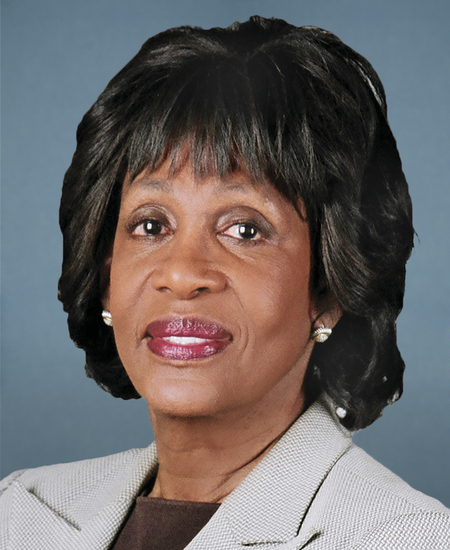
Rep. Maxine Waters
Sponsored bills
Maddy summaryHRES 543 is a symbolic House resolution (not a law) introduced by multiple representatives. It affirms the constitutional right to peaceful protest under the First Amendment and condemns violent acts by some individuals during demonstrations, such as vandalism and looting. The resolution specifically criticizes the President’s 2025 deployment of National Guard and Marines to Los Angeles without proper legal authority (violating 10 U.S.C. § 12406 and the Posse Comitatus Act) and without coordination with California’s governor. It also denounces inflammatory rhetoric that escalated tensions and supports law enforcement efforts to protect public safety during protests. The resolution has no binding effect but formally expresses congressional position on these issues.
Treat and Reduce Obesity Act of 2025 This bill expands Medicare coverage of intensive behavioral therapy for obesity. Specifically, the bill allows coverage for therapy that is provided by (1) a physician who is not a primary care physician; or (2) other health care providers (e.g., physician assistants and nurse practitioners) and approved counseling programs, if provided upon a referral from, and in coordination with, a physician or primary care practitioner. Currently, such therapy is covered only if provided by a primary care practitioner. The bill also allows coverage under Medicare's prescription drug benefit of drugs used for the treatment of obesity or for weight loss management for individuals who are overweight.
Maddy summaryHR 4170 requires federally funded bridge projects (including highway and railroad bridges) to use certified contractors trained in corrosion prevention. It mandates that contractors employ workers certified through qualified training programs meeting industry standards (like ANSI/NACE) for tasks like surface preparation, coating application, and hazardous material removal. The bill also expands federal grant eligibility to include corrosion control work on rail bridges and directs the Transportation Secretary to study best practices for inspecting and repairing weathering steel bridges within 18 months. These changes directly affect bridge contractors, federal agencies managing infrastructure funding, and state/local bridge maintenance entities.
Maddy summaryHRES 547 is a symbolic resolution recognizing June as National Caribbean American Heritage Month. It does not create new laws or directly affect any individuals or groups; instead, it encourages the public to observe the month through ceremonies and celebrations. The resolution affirms that Caribbean Americans' contributions are integral to U.S. history, progress, and cultural diversity. It supports the month's goals and highlights the community's longstanding role in American society, from historical figures like Alexander Hamilton to modern leaders like Kamala Harris. As a non-binding resolution, it has no legal effect but serves to honor this cultural observance.
Maddy summaryThe CONNECT for Health Act of 2025 expands Medicare telehealth coverage by removing geographic restrictions that limited where patients could receive care, expanding the types of health care providers who can offer telehealth services, and eliminating the requirement for an in-person visit before receiving telemental health services. The bill includes specific provisions to support telehealth use for Native American health facilities, rural health clinics, and Federally Qualified Health Centers. It requires the Centers for Medicare & Medicaid Services to collect and publish data on telehealth usage and impacts, and to develop resources to improve accessibility for people with disabilities and limited English proficiency. Program integrity measures are added to monitor telehealth billing practices and prevent fraud while maintaining coverage for telehealth services during public health emergencies.
Maddy summaryHR 4150, the Advancing Maternal Health Equity Under Medicaid Act, increases federal Medicaid funding for states that expand maternal health services. It requires states to spend more on specific maternal care (like prenatal/postpartum visits, telehealth, home visits, and mental health support) than they did in 2019, with the federal government covering 90% of the additional cost starting in 2025. The bill directly affects pregnant and postpartum individuals covered by Medicaid by expanding access to defined maternal health services. States must use the extra funds to improve service quality and capacity without reducing existing state funding for these services.
Maddy summaryThe Women's Health Protection Act of 2025 would protect access to abortion services across the United States by prohibiting states from imposing restrictions that are more burdensome than those on comparable medical procedures. The bill directly affects people seeking abortion care and health care providers by banning restrictions such as mandatory in-person visits, requirements for specific tests, limitations on telemedicine, and rules based on a patient's reason for seeking abortion. It prohibits state laws that single out abortion for unnecessary restrictions while allowing post-viability abortions when necessary to protect a patient's life or health. The bill preempts conflicting state laws and provides enforcement mechanisms through private lawsuits and actions by the Attorney General.
Maddy summaryHR 3422, the Promoting Opportunities for Non-Traditional Capital Formation Act, requires the Securities and Exchange Commission (SEC) to provide educational resources and host events specifically for underrepresented small businesses. This includes women-owned, minority-owned, rural businesses, and those impacted by natural disasters, to raise awareness about capital-raising options. The bill also mandates that the SEC meet annually with state securities commissions to coordinate efforts supporting small businesses and investors. These provisions aim to improve access to capital formation opportunities for groups historically underserved in financial markets.
Maddy summaryHR 4083, the Marshall “Major” Taylor Congressional Gold Medal Act, authorizes the posthumous presentation of a Congressional Gold Medal to honor cyclist Marshall Walter "Major" Taylor (1878-1932), recognizing his pioneering achievements as a Black athlete who broke racial barriers in professional cycling during the late 19th and early 20th centuries. The bill directs the Secretary of the Treasury to strike the medal with his name and image, to be presented to Taylor’s great-granddaughter, Karen Donovan. It also permits the sale of bronze duplicates to cover costs, classifying all medals as national commemorative items under U.S. law. This is a ceremonial bill with no policy changes, solely focused on commemorating Taylor’s legacy.