

Maddy summaryThis bill requires the Secretary of the Interior to collaborate with tribes within one year of enactment to identify seeds of cultural significance and support tribal efforts to protect them. It mandates federal support for tribal seed banks, traditional agriculture systems, and the confidentiality of culturally sensitive seed information provided by tribes. The bill explicitly prohibits disclosure of such confidential information and states that existing funding must cover these activities - no new funds are authorized. It directly affects tribal nations by safeguarding their traditional seed knowledge and agricultural practices.
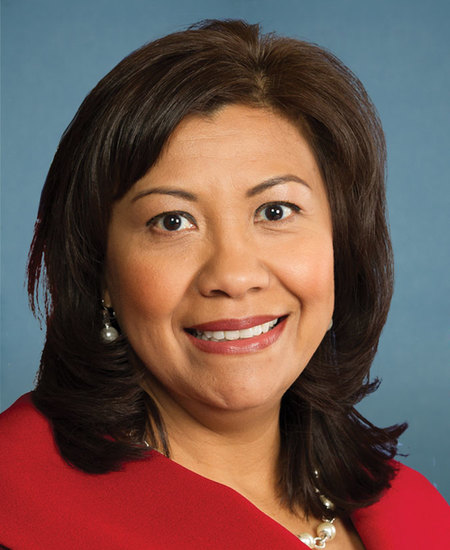
Rep. Norma J. Torres
Sponsored bills
Maddy summaryHR 7016, the "No Funds for NATO Invasion Act," blocks federal funding for any U.S. military invasion of a North Atlantic Treaty Organization (NATO) member country or territory covered by NATO's Article 5 mutual defense clause. The bill prohibits using any federal funds for such invasions and bans U.S. officials from executing these actions. It directly affects U.S. military operations and funding decisions involving NATO members. The law applies to all federal spending, preventing the use of existing budgets for this specific purpose.
Maddy summaryThis concurrent resolution (HCONRES 69) commemorates the 15th anniversary of the January 8, 2011, Tucson shooting that killed six people and injured 13, including former Congresswoman Gabby Giffords. It honors the victims, survivors, and Giffords - now a prominent advocate for gun violence prevention - and recognizes her leadership in promoting civility and reducing gun violence. The resolution also commends Tucson residents and first responders for their resilience and reaffirms Congress’s commitment to respectful dialogue and opposing political violence. As a ceremonial resolution, it does not create new laws or policies.
Maddy summaryThis resolution (HRES 980) commemorates the one-year anniversary of the 2025 Southern California wildfires, which impacted communities like Pacific Palisades and Altadena. It honors the 31 people who lost their lives, commends first responders who fought the fires, and affirms the House's ongoing support for affected communities. The resolution is purely ceremonial and does not create new laws, allocate funds, or change existing policies. It directly affects the Southern California communities devastated by the wildfires and their residents.
Maddy summaryHJRES 136 would require the President to issue an annual proclamation designating a day as "Democracy Day" each year. The proclamation must call on state and local governments, as well as educational authorities, to observe the day through programs and activities promoting civic engagement. The bill does not specify which date must be designated, leaving that decision to the President annually. This is a procedural measure focused on directing an existing executive action to foster democratic awareness, without creating new laws or altering existing policies.
Maddy summaryHR 6954, the January 6th Truth and Transparency Act, requires the Congressional Research Service to issue regular reports tracking individuals pardoned for January 6, 2021, Capitol-related offenses under Presidential Proclamation 10887. The reports, submitted every 180 days starting 60 days after enactment, must list pardoned individuals and document any subsequent arrests, convictions, or law enforcement encounters involving force. These reports will be made publicly available on the Library of Congress website and provided to specific congressional committees, including House Administration and Senate Rules committees. The bill directly affects those granted pardons under the specified proclamation by establishing a transparency mechanism to monitor their post-pardon conduct.
Maddy summaryHR 6952, the January 6th Oral History Project Act, directs the Library of Congress' American Folklife Center to collect video, audio, and written records from individuals present at or affected by the January 6, 2021, Capitol events - including lawmakers, staff, police, journalists, and witnesses. The program will create a public digital archive through the Library's National Digital Library, prioritizing accounts at risk of being lost, and will gather related materials like texts, emails, and photos. It establishes a separate gift account for private donations exclusively funding this project and authorizes $500,000 for fiscal year 2027. The bill focuses solely on documenting personal experiences for historical preservation, not on investigation or policy changes.
Maddy summaryHR 6953, the Violent Insurrection Recidivist Enhancement Act of 2026, increases prison sentences for individuals convicted of repeat violent insurrection offenses. It directly affects people previously convicted of acts like unlawfully entering the Capitol, obstructing election certification, or damaging government property in response to election results. The bill mandates additional prison time (4 years minimum, up to 10 years for violent cases) if a defendant has a prior conviction for similar conduct, regardless of whether the earlier conviction was pardoned. For specific serious offenses like treason or murder of a federal official, it allows life imprisonment with a 15-year minimum if the defendant has a pattern of anti-democratic conduct.
Maddy summaryThis resolution (HRES 969) expresses support for designating the week beginning September 8, 2025, as "National Hispanic-Serving Institutions Week." It recognizes colleges and universities with at least 25% Hispanic undergraduate enrollment (known as Hispanic-Serving Institutions or HSIs) and their role in serving diverse, low-income students. The resolution does not create new policies or funding but encourages public observance through ceremonies and activities to honor HSIs’ contributions to higher education access and economic mobility. It applies symbolically to all 615+ HSIs across the U.S. and Puerto Rico.
Maddy summaryHR 4611 (EACH Act of 2025) requires all federally funded health programs - including Medicaid, Medicare, military health plans, and the Indian Health Service - to cover abortion services without restrictions, repealing the Hyde Amendment's long-standing ban on federal funding for most abortions. This directly affects millions of people enrolled in these programs, particularly low-income women, women of color (including 25% of Black women and 22% of Hispanic women on Medicaid), and young people. The bill mandates coverage in all federally administered health plans and prohibits state or private insurers from restricting abortion coverage in health insurance. It aims to eliminate current federal and state barriers that deny abortion access to people who rely on government health programs.