Maddy summaryThe Spot the Fakes Act requires owners of AI-generated content to label videos, images, audio, and text as artificial intelligence using metadata or other technological verification methods. The Federal Trade Commission is tasked with enforcing this requirement and can penalize violations as unfair or deceptive acts under existing federal law. Additionally, the bill mandates that the FTC work with the National Institute of Standards and Technology to establish specific disclosure rules within six months of enactment. This legislation directly impacts creators and platforms distributing AI content to ensure transparency about the origin of digital media.
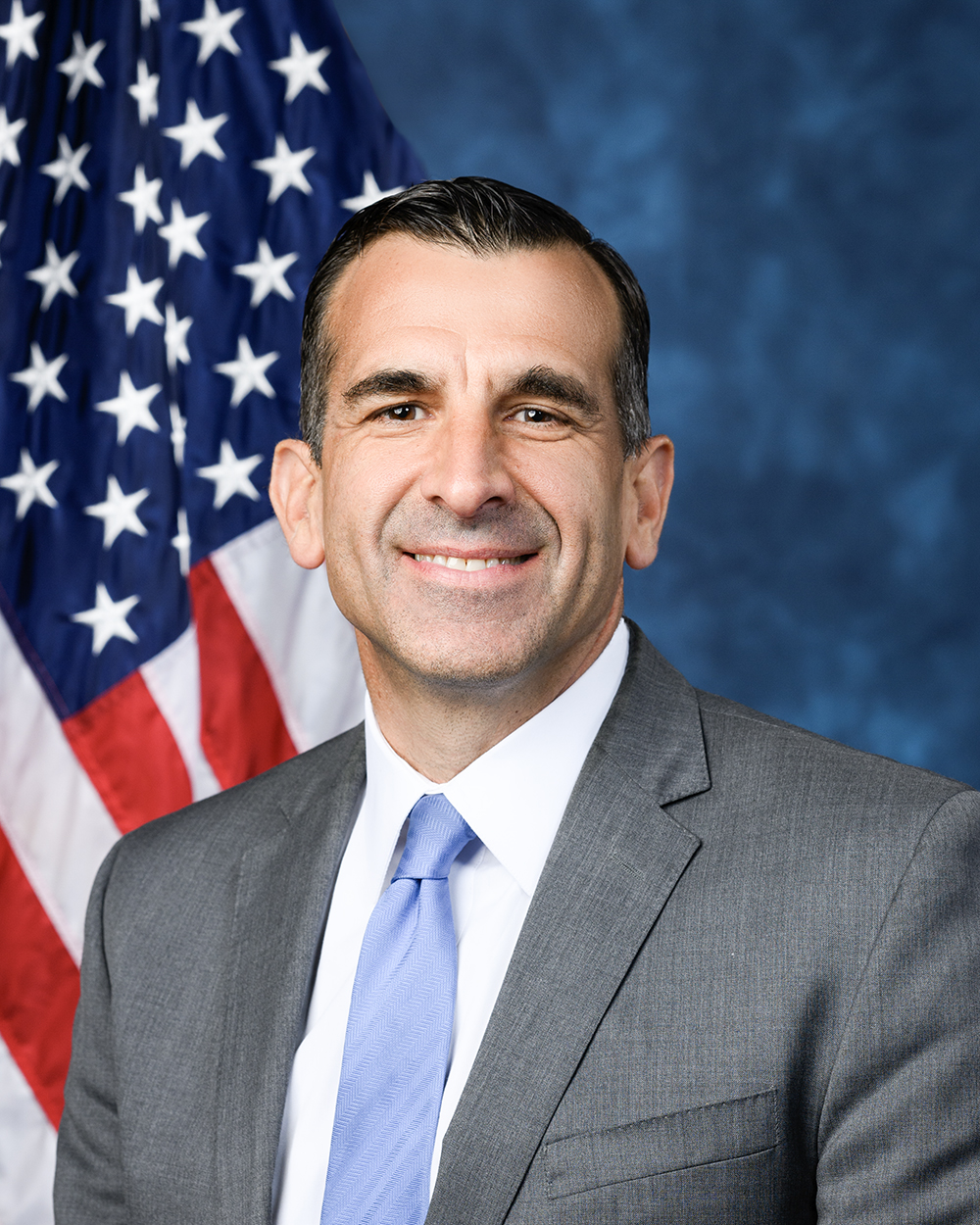
Rep. Sam T. Liccardo
Sponsored bills
Maddy summaryHR 7254 requests a study to evaluate designating the Bay Area Ridge Trail as a National Scenic Trail. The bill directs the Secretary of the Interior to complete a feasibility study within one year, consulting with the Bay Area Ridge Trail Council and relevant agencies. The study would assess the 550-mile trail - currently 415 miles completed - connecting over 75 parks and open spaces across the San Francisco Bay Area. This bill does not designate the trail as a National Scenic Trail but initiates a review process to determine its potential for that status. The study would examine the trail’s scenic, historic, and recreational value, including its connections to urban areas and natural features like the Golden Gate Bridge and San Andreas Fault.
Maddy summaryThe Ounce of Prevention Act allows communities receiving federal Community Development Block Grants to use those funds for projects that reduce risks from weather-related disasters. This legislation expands the definition of eligible activities to include measures that protect health and welfare by lessening the impact of future hazards, such as building new structures or rehabilitating existing ones in high-risk areas. To support these efforts, the bill requires grantees to submit plans detailing how they will address specific disaster needs and mandates that the Department of Housing and Urban Development provide technical assistance. Additionally, the act permits communities to treat assisted housing units as a single structure for regulatory purposes and sets a deadline for the Secretary to issue new rules formalizing these mitigation efforts.
Maddy summaryThis bill, titled the Encouraging Public Service in Our National Parks and Public Land Act, requires the Secretary of the Interior to make specific federal recreational lands and waters free of admission fees on designated dates throughout the year. The key provision mandates that these free access days include Martin Luther King Jr. Day, the first day of National Park Week, Juneteenth, Great American Outdoors Day, National Public Lands Day, and Veterans Day. Additionally, the legislation grants the Secretary the authority to establish extra fee-free days beyond those listed. These changes directly affect visitors to national parks and other federal recreational areas by providing them with guaranteed free entry on these holidays and observances.
Maddy summaryHR 5351, the NSF AI Education Act of 2025, creates new funding mechanisms to expand artificial intelligence education. It authorizes scholarships and fellowships covering tuition, fees, and stipends for undergraduate and graduate students in AI-related fields, with priority for programs teaching AI in K-12 schools, advanced manufacturing, and agriculture. The bill also establishes up to eight regional "Centers of AI Excellence" at community colleges and career schools to develop AI curricula, build industry partnerships, and create student job pathways. Additionally, it funds research grants to develop K-12 AI teaching materials and supports professional development for educators and industry professionals to integrate AI into classrooms.
Creating Resources for Every American To Experiment with Artificial Intelligence Act of 2025 or the CREATE AI Act of 2025 This bill establishes a national program to provide U.S. researchers, educators, and students with access to artificial intelligence (AI) data, computational resources, educational tools and services, and testbeds. The program, to be known as the National Artificial Intelligence Research Resource (NAIRR), must be established by the National Science Foundation (NSF) to improve U.S. AI research capacity and spur the strategic development of AI capabilities. NAIRR may accept and use donated resources from the private sector and federal agencies. Those eligible to use NAIRR resources are (1) researchers, educators, and students based in the United States and affiliated with a U.S. institution of higher education, nonprofit, executive agency, or other specified entity; and (2) employees of U.S. executive agencies or federally funded research and development centers with a demonstrable mission need. NSF must select a nongovernmental organization to operate NAIRR (i.e., an operating entity ) through a competitive and transparent process. The operating entity must ensure that a significant percentage of the annual allotment of computational resources is provided to projects primarily focused on AI privacy, ethics, safety, security, risk mitigation, or trustworthiness. The operating entity must also establish minimum security requirements for all individuals interacting with NAIRR. The operating entity may establish a fee schedule for access to NAIRR, which must include a free tier of access and must ensure that the primary purpose of NAIRR is to support research.

Maddy summaryThe SKILL Act creates a new tax credit for employers who partner with public colleges and community colleges to develop short-term training programs lasting two years or less. To qualify, employers must be certified by their state agency for contributing to these programs through activities like co-designing curricula, offering apprenticeships, or donating equipment. The credit allows eligible businesses to claim up to $2,500 per student who earns a credential or is hired full-time after completing the program, with a total national spending cap of $500 million per year from 2027 to 2031. State agencies will distribute the available funds to employers on a competitive basis, and the law takes effect for tax years ending after December 31, 2026.
Maddy summaryThe Protect Local Funding Act prohibits federal agencies from finalizing, implementing, or enforcing a specific proposed rule regarding federal financial assistance scheduled for publication in May 2026. This legislation directly affects the Office of Management and Budget and other federal agencies by legally blocking them from acting on that particular regulation. By preventing the enforcement of this rule, the bill aims to stop a specific administrative action that could impact how federal funds are distributed. The measure does not alter existing funding programs but rather serves as a procedural barrier to a future regulatory change.
Maddy summaryThe Don't Settle for Corruption Act requires that the Attorney General must submit a report to both houses of Congress for any settlement regarding lawsuits brought against the President or former President by the United States. Before such a settlement can be approved and paid, Congress must pass a specific joint resolution within 60 days of receiving the report. This process ensures that compromise settlements in these high-profile cases receive explicit legislative approval rather than being finalized solely by the executive branch. The law applies specifically to imminent litigation or suits involving the President or former President and mandates that these settlements be handled similarly to court judgments.
Maddy summaryThis concurrent resolution directs the President to withdraw all U.S. military forces from active hostilities with Iran. The measure requires the President to remove troops unless they are needed to defend the United States or its allies from an immediate attack, and even then, such defensive actions must follow specific reporting rules. The directive applies unless Congress has explicitly authorized the use of force against Iran through a formal declaration of war or a specific legislative act.