

Maddy summaryHRES 990 is a resolution recognizing the 113th anniversary of Delta Sigma Theta Sorority, Incorporated, founded in 1913 at Howard University. It honors the sorority's century of community service and global initiatives, including its focus on education, economic development, and international outreach. The resolution is symbolic and non-binding, celebrating the organization's legacy without creating new policy or affecting specific groups. It was introduced by multiple House members in January 2026.
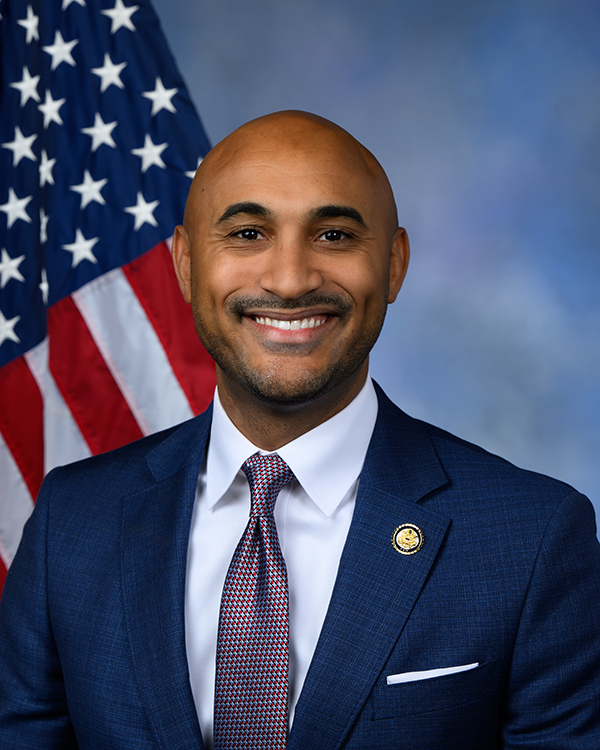
Rep. Shomari Figures
Sponsored bills
Maddy summaryHR 6271, the Food Bank Emergency Support Act of 2025, appropriates $462.5 million to prevent cuts to food assistance benefits during funding shortfalls or government shutdowns. The funds are specifically designated under the Food and Nutrition Act of 2008 to maintain existing benefit levels for programs like SNAP (Supplemental Nutrition Assistance Program) and food bank commodity distributions. It ensures these services continue without interruption, including barring furloughs for personnel involved in food distribution during emergencies. The bill directly supports food banks, grocery retailers distributing benefits, and millions of low-income households relying on these services. It takes effect as if enacted on September 30, 2025.
Maddy summaryHR 6088, the *Restoring Food Security for American Families and Farmers Act of 2025*, repeals specific sections (10101-10108) from a prior reconciliation law. This action revives previous provisions related to food security programs that were modified by those repealed sections. The bill directly affects federal food assistance and agricultural support programs by restoring their prior legal framework. It does not create new policies but reverses recent changes to existing food security measures.
Maddy summaryHR 5010, the Farm Credit Adjustment Act, amends the Farm Credit Act of 1971 to allow the Farm Credit Administration (FCA) to extend examination cycles for low-risk Farm Credit System institutions to a maximum of 24 months. This change directly affects rural banks, credit unions, and other Farm Credit System institutions deemed low-risk by the FCA. The key provision removes a previous restriction ("in no event") and gives the FCA discretion to conduct examinations every 24 months instead of more frequently for these institutions. The amendment takes effect on October 1, 2026.
Maddy summaryHR 909, the Crime Victims Fund Stabilization Act of 2025, modifies how funds from the False Claims Act are deposited into the Crime Victims Fund. It specifies that from 2025 through 2029, certain False Claims Act proceeds (specifically those for qui tam plaintiff payments and government damage reimbursements) cannot be deposited into the fund. This change directly affects the composition of the Crime Victims Fund by excluding these specific revenue streams during the specified period. The bill does not create new benefits or alter victim services; it only adjusts fund allocation rules for existing False Claims Act revenues.
Maddy summaryThis concurrent resolution (HCONRES 69) commemorates the 15th anniversary of the January 8, 2011, Tucson shooting that killed six people and injured 13, including former Congresswoman Gabby Giffords. It honors the victims, survivors, and Giffords - now a prominent advocate for gun violence prevention - and recognizes her leadership in promoting civility and reducing gun violence. The resolution also commends Tucson residents and first responders for their resilience and reaffirms Congress’s commitment to respectful dialogue and opposing political violence. As a ceremonial resolution, it does not create new laws or policies.
Maddy summaryHR 4611 (EACH Act of 2025) requires all federally funded health programs - including Medicaid, Medicare, military health plans, and the Indian Health Service - to cover abortion services without restrictions, repealing the Hyde Amendment's long-standing ban on federal funding for most abortions. This directly affects millions of people enrolled in these programs, particularly low-income women, women of color (including 25% of Black women and 22% of Hispanic women on Medicaid), and young people. The bill mandates coverage in all federally administered health plans and prohibits state or private insurers from restricting abortion coverage in health insurance. It aims to eliminate current federal and state barriers that deny abortion access to people who rely on government health programs.
Maddy summaryHR 1404, the CHAMPVA Children’s Care Protection Act of 2025, expands healthcare eligibility under the CHAMPVA program for children of veterans. It increases the maximum age for children to receive medical benefits from 21 to 26 years old, regardless of marital status. This change directly affects dependent children of veterans who were previously eligible until age 21, extending coverage through their mid-twenties. The policy amendment applies to medical care provided on or after the bill’s enactment date.
Maddy summaryThis bill requires states to include specific safety plans in their highway-rail grade crossing reports. It mandates that states collaborate with railroads, mental health agencies, and law enforcement to address pedestrian fatalities - including suicides - along railroad rights-of-way. States must now submit these updated safety plans every five years, replacing the previous reporting schedule. The bill directly affects state transportation agencies responsible for maintaining grade crossings and coordinating with rail operators. It focuses on concrete reporting changes rather than new funding or enforcement measures.
Maddy summaryThe Rural Hospital Flexibility Act of 2025 creates new federal grant programs to support rural healthcare providers in improving services and adapting to community needs. It provides funding for quality improvement, behavioral health services, and technical assistance for critical access hospitals, rural health clinics, and rural emergency hospitals. The bill also establishes 5-year grants to help rural providers transition to new care models - including telehealth, integrated behavioral health, and extended emergency services - and offers specialized technical support for hospitals seeking rural emergency hospital status. These grants aim to strengthen rural healthcare systems by enhancing operational capacity and sustainability.