

Maddy summaryThis bill authorizes the U.S. Mint to produce commemorative $5 gold and $1 silver coins marking the 25th anniversary of the September 11, 2001, terrorist attacks. The coins must feature designs honoring victims and first responders (including the inscription "Never Forget") and will be sold only during 2027-2028. All surcharges ($35 per gold coin, $10 per silver coin) collected from sales will fund the National September 11 Memorial and Museum at the World Trade Center, with no net cost to the federal government. The coins are legal tender but primarily intended for collectors, not circulation.
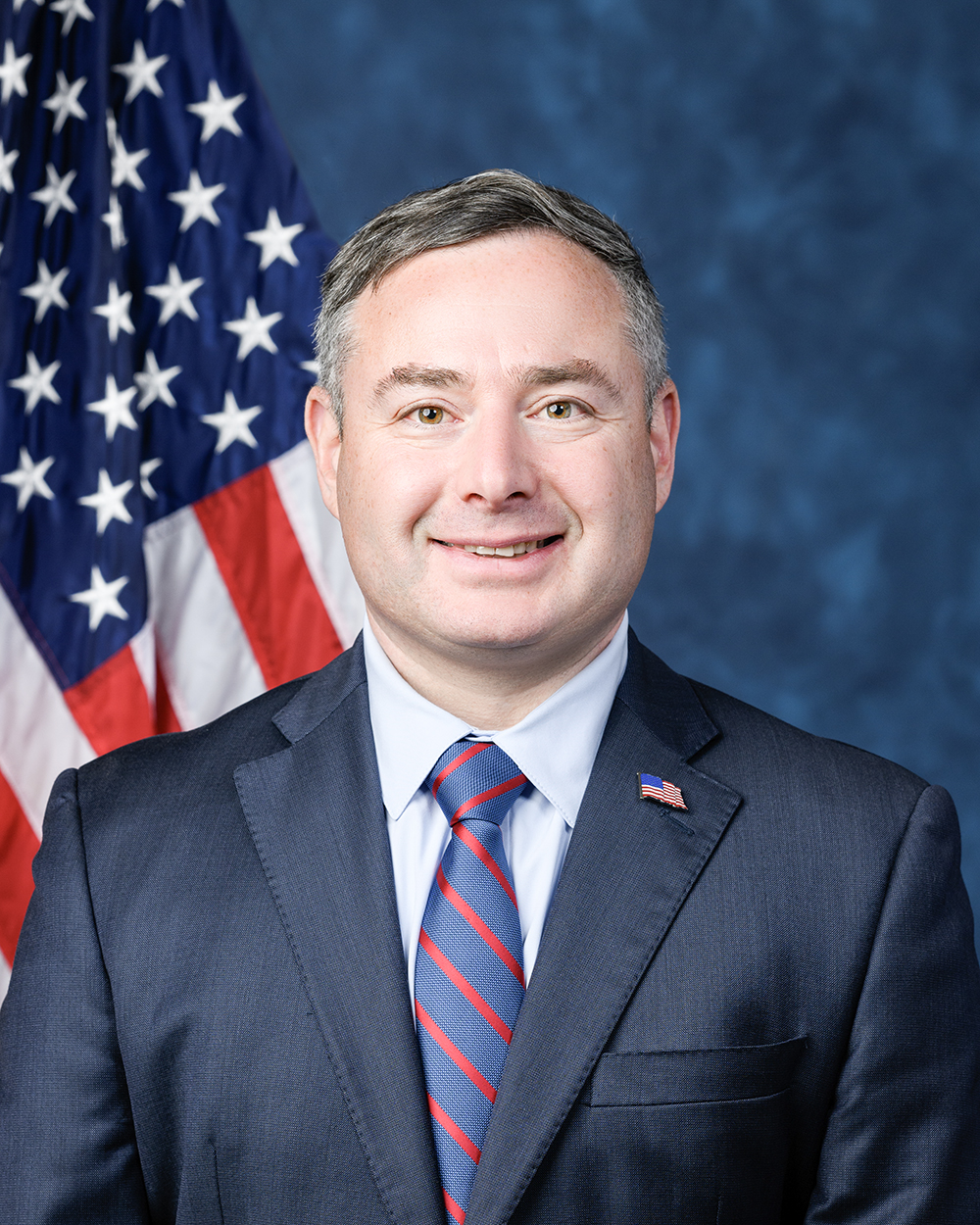
Rep. Eugene Simon Vindman
Sponsored bills
Maddy summaryThe Smithsonian American Women’s History Museum Act authorizes the creation of a new Smithsonian museum dedicated to women’s history, to be located within the National Mall Reserve in Washington, D.C. If the site is managed by another federal agency, the bill requires that agency to transfer the land after notifying Congress and relevant committees. The museum must ensure exhibits and programs accurately represent diverse women’s experiences by consulting a broad range of experts and community voices. The Smithsonian will submit biennial reports to Congress detailing how the museum meets these representation standards.
Maddy summaryThe Home Energy Affordability Act limits how often state-regulated electric companies can ask for rate hikes, allowing only one request per year. This change directly affects utility providers and their customers by imposing a stricter schedule on proposed price increases. The bill amends existing federal law to mandate that any request for a rate adjustment must wait 365 days after the previous filing. By restricting the frequency of these filings, the legislation aims to provide more predictability for utility rates without changing the final approved amounts.
Maddy summaryThis bill directs the Federal Energy Regulatory Commission to create a public online database called the National Utility Rate Change Tracker. The database will record approved rate increases for electric and gas utilities, providing details such as the utility name, location, customer count, and the specific reasons for the hike. It will also show how these changes impact average monthly bills and total utility revenue, with data updated quarterly and searchable by address or city. The goal is to make utility pricing information more accessible to consumers by standardizing how data is collected and presented.
Maddy summaryThe Biotechnology Workforce Alignment Act of 2026 directs the National Science Foundation to align its research funding with workforce development efforts in key biotechnology fields such as biomanufacturing, synthetic biology, and bioinformatics. To achieve this, the bill requires the NSF Director to create a workforce framework, support educational pathways with multiple entry points, and foster partnerships between universities, federal labs, and private industry. The legislation also mandates the development of metrics to identify career gaps and barriers to entry, along with a requirement to submit biennial reports to Congress assessing these efforts and the U.S. position in global biotechnology leadership.
Maddy summaryThis bill directs the Department of Defense to connect military recruits who cannot enlist with the Job Corps program for training in skilled industrial jobs within the defense industry. It expands specific workforce incentives to include Job Corps centers and gives local operators more flexibility to hire staff, partner with educational institutions, and manage their programs without waiting for federal approval. The legislation also updates rules to allow Job Corps centers to accept cash donations and grants more easily while streamlining enrollment for veterans and active-duty service members. Overall, the act aims to reduce shortages of skilled workers in defense manufacturing by aligning Job Corps training with the needs of the defense industrial base.
Maddy summaryThe USDA Loan Modernization Act (HR 6779) updates eligibility rules for USDA farm loan programs by lowering ownership thresholds from "majority" to "at least 50 percent" for real estate, operating, and emergency loans. It introduces new categories like "qualified operators" and allows farm businesses with complex ownership structures (e.g., 75% owned by qualified operators) to qualify. This directly affects farmers and farm entities applying for these loans, particularly those with partial ownership stakes or embedded entity structures. The bill modifies existing provisions under the Consolidated Farm and Rural Development Act without creating new loan programs or changing loan terms.
Maddy summaryThis bill expands access to Fisher Houses - temporary lodging near VA medical facilities - for veterans receiving care at non-VA locations who travel significant distances, and for family members providing support during treatment. It adds specific rules allowing these groups to use available space in Fisher Houses on a space-available basis, without changing existing funding or facility construction. Fisher Houses are privately donated facilities managed by the Fisher House Foundation and located near VA medical centers. The bill clarifies eligibility under current VA lodging programs but does not create new housing or alter costs.
Maddy summaryHR 3183, the SAFE STEPS for Veterans Act of 2025, establishes a new Office of Falls Prevention within the Department of Veterans Affairs (VA) to coordinate and improve falls prevention efforts for veterans. The bill mandates that VA healthcare facilities conduct annual falls risk assessments and provide fall prevention services by licensed physical or occupational therapists for veterans at risk, and requires biennial staff training on safe patient handling techniques. It also creates a pilot program to test home modifications for fall prevention and directs the VA to report on current falls prevention practices, including screening methods, home modification grants, and medication management risks. This legislation directly affects veterans at risk of falls, VA healthcare facilities, and providers delivering care under VA programs.
Dental Care for Veterans Act This bill expands eligibility for veterans for dental care provided by the Department of Veterans Affairs (VA). Specifically, the bill makes all veterans who are enrolled in the VA health care system eligible for VA-provided dental services. Currently, only veterans who have a service-connected dental issue or meet other narrow criteria are eligible for certain dental services. The bill phases in eligibility over four years based upon existing eligibility, degree of service-connected disability or other disability, prisoner of war status, award of a Purple Heart, financial need, or VA health care eligibility.