

Maddy summaryHR 6848 prohibits colleges and universities from requiring students, employees, or applicants to endorse ideologies promoting racial discrimination or to provide statements about their race, ethnicity, or views on diversity, equity, and inclusion efforts. It specifically bans institutions from compelling such disclosures or offering preferential treatment based on unsolicited statements about these topics. The bill exempts academic research, voluntary disclosures, and requirements for applicants to discuss research content, comply with antidiscrimination laws, or address teaching approaches for students with disabilities. It directly affects higher education institutions receiving federal funding under the Higher Education Act.
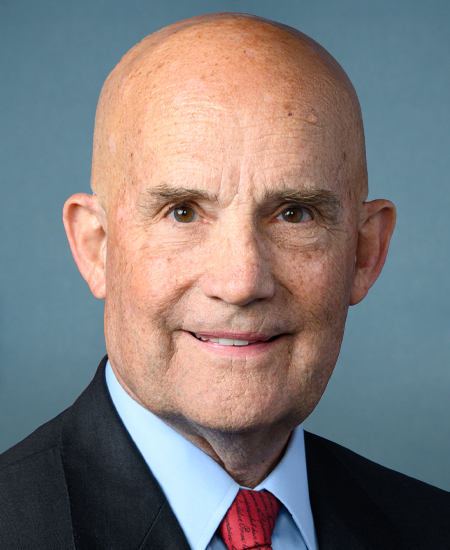
Rep. Keith Self
Sponsored bills
This bill allows creditors to consider an applicant’s immigration status for certain purposes when assessing an application for an extension of credit. In particular, considering an applicant’s U.S. immigration status for the purpose of determining the creditor's rights and remedies applicable to the particular extension of credit does not constitute discrimination.
Maddy summaryHR 1147, the Whole Milk for Healthy Kids Act of 2023, allows schools participating in the National School Lunch Program to offer whole milk as an option during lunch. It amends the school lunch law to explicitly permit schools to serve flavored and unflavored whole milk alongside reduced-fat, low-fat, and fat-free milk choices for students. The bill also requires the Secretary of Agriculture to adjust meal regulations to account for saturated fat from whole milk, ensuring it doesn't count against meal fat limits. This change directly affects participating schools and the students who receive school lunches, expanding their milk beverage options.
Maddy summaryHR 6734 prohibits the use of federal funds to finalize, implement, or enforce the Bureau of Alcohol, Tobacco, Firearms, and Explosives' (ATF) proposed rule (2022R-17) defining "engaged in the business as a dealer in firearms." This bill directly affects the ATF by blocking funding for this specific regulatory rule, which was proposed in August 2023. The legislation does not create new requirements but prevents federal resources from being used to advance this particular ATF regulation.
Maddy summaryThe Love Them Both Act of 2023 prohibits the Equal Employment Opportunity Commission (EEOC) and the Office of Congressional Workplace Rights from finalizing, implementing, or enforcing any regulations under the Pregnant Workers Fairness Act that apply to abortion or abortion-related services. This bill directly restricts two federal agencies' regulatory authority by banning rules that would require workplace accommodations related to abortion. The key provision is a specific ban on including abortion coverage or related services in the regulatory framework of the Pregnant Workers Fairness Act. The bill does not amend the underlying law but limits its implementation to exclude abortion-related matters. As a result, workplace accommodations under this law would not extend to abortion-related needs.
Maddy summaryHJRES 88 is a resolution seeking to block a Department of Education rule that would have improved income-driven repayment options for federal student loan borrowers. The rule, published in the Federal Register on July 10, 2023, targeted the William D. Ford Direct Loan Program and the Federal Family Education Loan (FFEL) Program. This resolution uses the Congressional Review Act process to disapprove the rule, preventing it from taking effect and preserving the current repayment structure. If enacted, it would stop the proposed changes to repayment terms without altering existing loan policies.
This resolution disapproves of the United Nations' recommendations to reduce meat consumption in their global food systems' road map and opposes the use of federal resources to reduce meat consumption.
Maddy summaryHR 6477 amends immigration law to tighten border inspection procedures and reform parole eligibility. It restricts parole for applicants deemed inadmissible under specific sections, mandates return to contiguous countries (like Mexico) for certain land-border arrivals pending processing, and limits parole to narrowly defined urgent humanitarian cases (e.g., critical medical needs, funerals) or significant public benefits (e.g., law enforcement cooperation). The bill also requires states to sue the federal government if detention/return rules are violated and mandates annual reporting on parole use. These changes directly affect applicants arriving at land borders, particularly those seeking parole for medical, family, or law enforcement reasons.
Maddy summaryHR 4468, the Choice in Automobile Retail Sales Act of 2023, blocks the Environmental Protection Agency (EPA) from finalizing or enforcing a specific proposed rule setting emissions standards for 2027+ light-duty vehicles. It amends the Clean Air Act to prevent future EPA regulations from mandating specific vehicle technologies or limiting the availability of new vehicles based on engine type (e.g., gasoline vs. electric). The bill directly affects EPA rulemaking authority and automakers' compliance with emissions standards, ensuring new vehicle options remain diverse without technology mandates. This is a procedural change to federal emissions regulations, not a direct consumer or industry mandate.
Maddy summaryThis bill requires the President to block transactions involving "covered Iranian funds" processed by foreign or international financial institutions. These funds refer specifically to money transferred from South Korea to Qatar under certain Iran sanctions waivers. The law imposes sanctions under existing U.S. authorities to block all U.S.-related transactions with institutions handling these funds. Sanctions can be lifted if Iran stops supporting terrorism and dismantles its weapons programs, as certified by the President. The bill directly affects global financial institutions processing these specific Iranian-linked transfers.