

Maddy summaryThe Subpoena Abuse Prevention Act restricts how federal agencies can use administrative subpoenas to obtain phone and app records from service providers. It requires agencies to identify a specific person or account before requesting data, bans subpoenas aimed at investigating or retaliating against constitutionally protected activities like free speech, and mandates that agencies certify the subpoena's legitimate purpose. The law also allows service providers to notify customers about the subpoena and consult with lawyers, unless a court order specifically prevents such notification. Additionally, federal agencies must publicly report annually on the number of subpoenas issued and the total accounts affected.
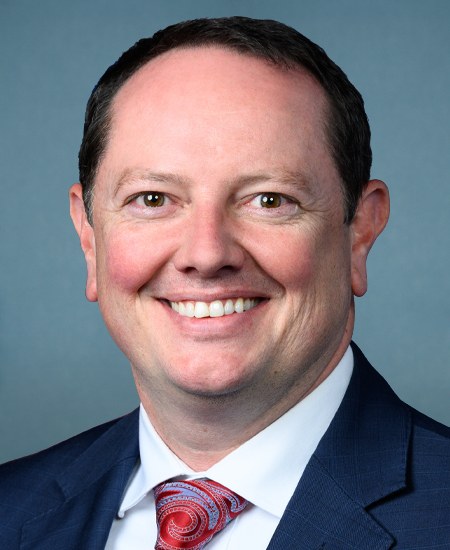
Rep. Eric Burlison
Sponsored bills
Maddy summaryThe Freedom from Taxes Act of 2026 eliminates federal transfer and making taxes on firearms, which directly affects individuals buying or manufacturing guns. By setting these specific taxes to zero, the bill removes the $200 fee previously required when transferring or making certain firearms. The law also adds a time limit to a special tax, ensuring it no longer applies to years beginning after the bill takes effect. These changes would become active on the first day of the first calendar quarter starting more than 90 days after the legislation is signed into law.
Maddy summaryThe Make the American Dream Real Again Act creates a new tax credit for homeowners who sell their primary residence to a first-time buyer. This provision allows the seller to claim a refundable credit equal to the lower of the money they spent helping the buyer purchase the home or the amount of tax they would save by excluding the sale gain from their income. The bill defines a first-time homebuyer as someone who has not owned a principal residence in the two years prior to the transaction and covers expenses such as down payments, inspections, and closing costs. These changes are scheduled to take effect for taxable years beginning after December 31, 2026.
Maddy summaryThe Davis-Bacon Repeal Act would eliminate federal wage requirements for construction projects funded by the U.S. government. Specifically, it repeals the section of the U.S. Code that mandates contractors pay workers no less than the prevailing local wage rates. The law includes a transition period, meaning it only applies to new contracts issued after 30 days and does not affect agreements already in progress or under active bidding. This change would directly impact federal construction projects by removing the obligation to adhere to specific minimum wage standards for laborers and mechanics.
Maddy summaryThis bill, titled the No Capital Gains Tax on Family Farms Act, would allow farmers to sell their land to immediate family members without paying capital gains tax on the profit. To qualify, the property must have been used as a farm for at least two years within the eight years prior to the sale, and the buyer must be a spouse, lineal descendant, or their spouse. If the new owner keeps the farm for ten years, the property's tax basis will be adjusted upward to reflect its fair market value at the time of the sale. The law applies to sales occurring after its enactment and requires the IRS to issue regulations to guide its implementation.
Maddy summaryThe Legacy IT Reduction Act of 2026 requires federal agencies to create and maintain an inventory of their outdated information technology systems, including details about costs, vendors, and planned updates. Under this bill, agency heads must develop five-year modernization plans every two years that outline how they will update, retire, or replace these legacy systems, with submissions to congressional oversight committees. The Office of Management and Budget will issue guidance on what qualifies as a legacy system and provide templates for inventory and planning, while the Comptroller General will review implementation three years after enactment. The law does not authorize new funding and will expire six years after enactment, with specific exemptions for national security systems and protections against transferring systems to foreign entities.
Maddy summaryThe DEPORT Act of 2026 proposes changes to U.S. immigration law regarding terrorism-related offenses. It would require all naturalization applicants to attest under oath that they have not committed, have charges pending for, or intend to commit specific terrorism-related crimes. The bill also establishes new procedures for denaturalizing U.S. citizens, allowing convictions or credible evidence of these offenses to be used as grounds for revoking citizenship, with certain presumptions of illegal procurement. Furthermore, it would make individuals convicted of such offenses inadmissible to the U.S., deportable if denaturalized, ineligible for most immigration benefits, and permanently barred from future admission. These provisions directly affect naturalization applicants, naturalized citizens, and aliens seeking admission or other immigration benefits.
Maddy summaryThe Great American Healthcare Plan is a comprehensive bill that modifies tax rules for Health Savings Accounts, expands access to health insurance through new marketplace pools, and strengthens price transparency for hospitals and medical providers. It allows individuals to use HSAs for wellness expenses like healthy food and gym memberships, lets parents and children access each other's HSA funds, and requires hospitals to publicly list their standard charges and negotiated rates. The legislation also mandates that administrative service providers share detailed pricing data with health plans and creates a mechanism for pharmacists and nurses to dispense certain low-risk prescription drugs under expanded access.
Maddy summaryThis bill, titled the Homeland Security and Further Additional Continuing Appropriations Act, 2026, provides funding for the Department of Homeland Security and extends certain continuing appropriations for fiscal year 2026. It allocates money for various DHS components including border security, immigration enforcement, cybersecurity, disaster relief, and law enforcement training. The bill also includes the SAVE America Act, which requires states to verify voter citizenship through documentary proof and mandates photo identification for voting in federal elections. Additionally, it establishes reporting requirements for DHS budgeting and oversight, and prohibits certain border crossing fees.
Maddy summaryThis bill allows airport operators to contract with private companies to perform passenger and property security screening instead of relying solely on federal employees. To qualify, private companies must meet strict standards including employing only vetted staff, demonstrating equal capability to federal personnel, and being owned and controlled by U.S. citizens. The Transportation Security Administration would maintain a public list of approved companies, provide federal supervisors and law enforcement at airports using private screening, and conduct covert testing to ensure performance standards are met. The legislation also requires annual reports comparing the performance and costs of private screening against federal operations, and includes provisions to limit airport operator liability for damages caused by negligence or wrongdoing by private screening companies and their employees.