

Maddy summarySB 1027 modifies Oklahoma's initiative process by shortening the deadline for collecting signatures from 90 to 10 days. It also changes signature verification timelines from 90 to 180 days and requires new disclosures for initiative petitions. The bill directly affects citizens and organizations seeking to place measures on the ballot through citizen initiatives. These changes streamline the signature-gathering process while adding specific disclosure requirements.
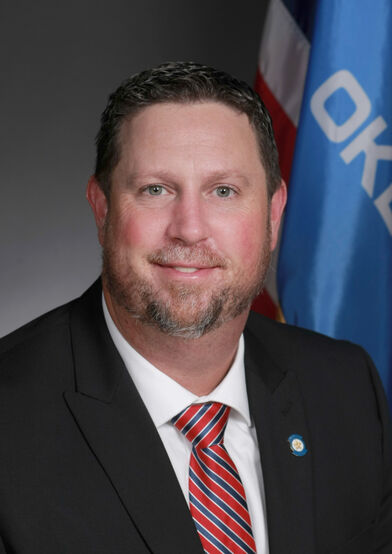
Sen. David Bullard
Sponsored bills
Maddy summarySB 1027 modifies Oklahoma's initiative and referendum process by changing key deadlines and adding disclosure requirements. It shortens the signature verification period from 90 to 10 days and adjusts other timelines (e.g., extending some to 180 days), while requiring petition circulators to disclose their contact information. This bill directly affects individuals and groups collecting signatures to place proposals on ballots. The changes aim to streamline the initiative process while increasing transparency for petition supporters. (Note: As a procedural bill, this summary focuses on concrete changes to the process itself.)
Maddy summaryHB 1205 repeals Oklahoma's tax credit for small wind turbine installations by removing Section 2357.32B from the state's tax code. This change directly affects small wind turbine owners and installers who previously qualified for the credit. The repeal takes effect on November 1, 2025, eliminating the tax incentive for new installations after that date. The bill is procedural and does not create new policy, only removing an existing tax provision.
Maddy summaryHB 1217 makes it a misdemeanor to perform adult shows containing obscene material in public spaces where minors might view them, including on public property or in unrestricted public areas. It defines "public place" to exclude venues with age restrictions (like ticketed events limiting minors) and sets penalties of up to $1,000 fines or 1 year in jail for violations. The law overrides conflicting local ordinances and applies to both individuals performing such acts and public entities like cities that permit exposure to minors. It directly affects performers, public venues, and local governments managing public spaces.
Maddy summaryHouse Bill 1217 makes it unlawful for individuals to engage in "adult performances" that contain "obscene material" in public places or where minors might view them. It also prohibits local governments from allowing such performances on public property or in public places accessible to minors. An "adult performance" is defined as any performance with obscene material visible to a minor or in a freely accessible public place, with exceptions for venues that restrict minor access. Violations are classified as a misdemeanor, carrying potential penalties of imprisonment, fines, or both. The bill preempts any conflicting local ordinances or licenses and took effect immediately upon approval.
Maddy summaryHouse Bill 1205 repeals the existing state tax credit for small wind turbines. This means that individuals and businesses who install small wind turbines will no longer be able to claim this specific credit against their state taxes. The bill removes Section 2357.32B of Title 68 from state law. This change is scheduled to take effect on November 1, 2025.
Maddy summaryHB 1197 authorizes Oklahoma's State Treasurer to create a bullion depository (holding gold and silver) and issue transaction cards to state residents. These cards allow users to make purchases debited directly from their gold or silver deposits, treating such transactions as legal currency under this law. The bill requires the Treasurer to establish fee structures for account holders and develop rules for sharing account information with depository partners. It affects Oklahoma citizens who open accounts in the depository system, with the law taking effect November 1, 2025.
Maddy summaryHB 1199 defines U.S. gold and silver coins as legal tender in Oklahoma for paying debts, but clarifies that individuals cannot be forced to accept them unless agreed upon in a contract. The bill specifies that gold or silver bullion (with clear weight and metal content) may also be used as legal tender, and prohibits taxing transactions involving these metals. It requires Oklahoma courts to enforce contracts specifying gold or silver as payment and ensures exchanges of such metals don’t create tax liability. The law takes effect November 1, 2025.
Maddy summaryHouse Bill 1199 designates gold and silver coins issued by the United States government as legal tender in Oklahoma, alongside other forms of specie. The bill clarifies that specie, which includes gold and silver coins or refined bullion, will not be characterized as personal property for taxation or regulatory purposes. It specifies that exchanging legal tender or buying/selling specie will not create tax liability. Additionally, the bill directs Oklahoma courts to enforce specific performance for contracts that explicitly designate a type of specie as tender, though no one can be compelled to accept or tender specie unless by law or contract. This legislation affects individuals and businesses in Oklahoma dealing with gold and silver, and Oklahoma courts handling related contractual disputes.
Maddy summaryHB 1197 authorizes the State Treasurer to issue transaction cards to Oklahoma citizens, allowing them to make purchases debited from gold and silver deposits held in a bullion depository. The Treasurer's office would establish procedures for sharing account information and develop a fee structure for using these services. The bill specifies that deposits of gold and silver in the bullion depository and transactions made with the card are considered legal tender and an exchange of currency. This aims to provide an alternative financial mechanism for citizens using precious metals.