

Maddy summarySB 1087 allows property owners in Oklahoma to claim a credit against their property taxes if their property value drops or they incur costs to address issues caused by local governments failing to enforce laws against activities like illegal camping, public loitering, or public nuisances (e.g., pollution or uncontrolled camping). The credit equals either the reduced property value or the owner’s reasonable expenses to mitigate these issues, but only if the local government’s lack of enforcement directly caused the problem. Property owners can claim the credit once yearly, carry forward unused credit for up to 10 years, and local governments must prove the credit claim is unreasonable if challenged. The bill explicitly excludes credits for cases involving prosecutorial discretion, federal mandates, or executive clemency.
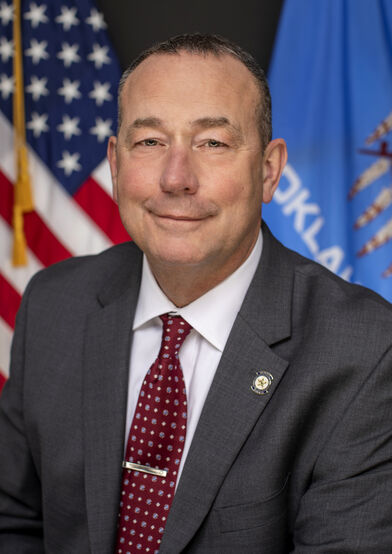
Sponsored bills
Maddy summarySB 270 requires vendors bidding on Oklahoma state contracts to submit annual affidavits confirming no financial misconduct (such as fraud, corruption, or embezzlement) among their executives, directors, or major investors. If a vendor discloses such misconduct in their affidavit, the Office of Management and Enterprise Services (OMES) must conduct annual financial audits of that vendor. The bill defines "financial impropriety" broadly to include dishonest, illegal, or unethical financial activities. It applies to all vendors under Oklahoma's central purchasing system and takes effect November 1, 2025.
Maddy summarySB 549 amends Oklahoma law to make aiding suicide a felony punishable by up to 7 years in prison and a $5,000 fine, directly affecting individuals who assist others in ending their lives. It also expands Section 1172 to prohibit specific online harassment, including threatening or obscene communications via social media or platforms, with penalties escalating to a felony for third offenses (up to 10 years in prison and $100,000 fines). The bill repeals outdated sections on suicide-related offenses and updates language to be gender-neutral. These changes apply to anyone engaging in the specified conduct, whether through direct assistance or online communications.