

Maddy summarySB 540 creates the Dentist and Dental Hygienist Compact, allowing Oklahoma-licensed dentists and dental hygienists to practice in other participating states without obtaining separate licenses in each state. The key mechanism is a "Compact Privilege" that streamlines interstate practice while maintaining each state's regulatory authority over scope of practice and public safety. It directly affects licensed dental professionals seeking to work across state lines, particularly military members and their spouses relocating. The compact also requires states to share disciplinary information and ensures practitioners follow each state's specific practice rules.
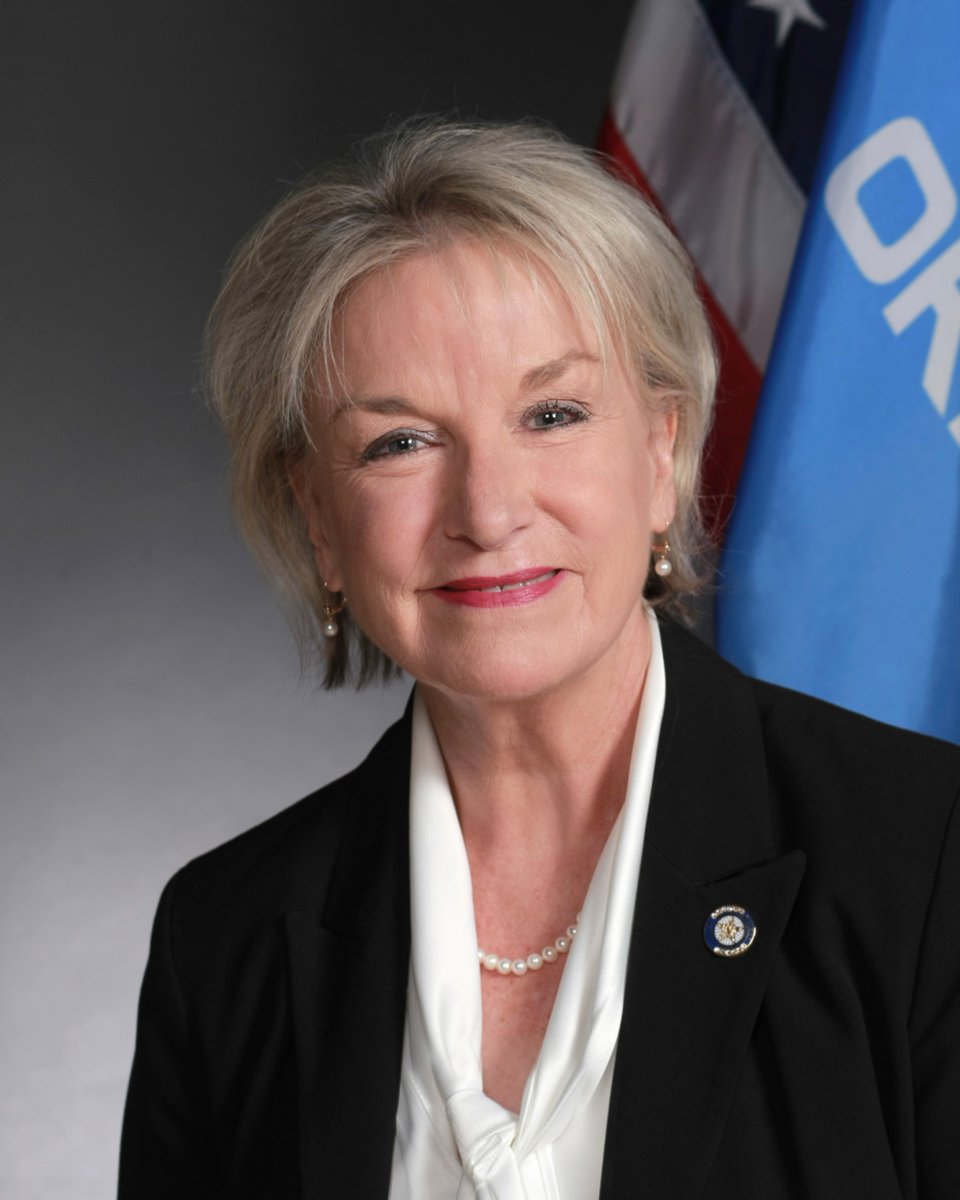
Sen. Brenda Stanley
Sponsored bills
Maddy summarySB 800 requires coaches, school nurses, and athletic trainers in Oklahoma schools to complete annual training in CPR and AED use, with coaches prohibited from coaching until trained. School nurses must complete this training every two years. The bill also mandates that all public schools develop and annually update a sudden cardiac emergency response plan, including AED placement at athletic venues within 1-3 minutes and clear communication protocols. These requirements directly affect school staff involved in athletics and student health safety protocols.
Maddy summaryHB 1304 requires Oklahoma public high schools to offer a dedicated one-year computer science curriculum as part of graduation requirements for students in grades 8-12. It mandates that schools include computer science courses (covering programming, hardware, and business applications) as an approved option to fulfill the "two units of world language or computer technology" requirement for graduation. The bill specifies these courses must be approved for college admission and exclude basic keyboarding or typing courses. This directly affects all Oklahoma public high school students meeting graduation standards under the 2024-2025 school year curriculum rules. The policy change updates existing graduation requirements to explicitly include computer science as a valid pathway.
Maddy summaryHB 1304 requires Oklahoma public high schools to include one year of computer science curriculum as part of graduation requirements for students in grades 8-12 during the 2024-2025 school year. It mandates that students complete two units of computer technology or computer science courses (including programming and business applications like spreadsheets) instead of traditional language requirements. The bill also adds requirements for history/social studies standards to include content from the U.S. naturalization test and emphasizes civics education. These changes apply to students earning standard diplomas under the new curriculum framework.
Maddy summaryHB 2021 creates the Oklahoma Kids After-School Grant Program (OKAGP) under the Department of Human Services to fund community-based after-school programs for students in kindergarten through 12th grade. It directly affects qualifying organizations operating at least five locations statewide, granting them exemptions from Oklahoma Child Care Licensing requirements under Title 10 Section 403. The bill establishes a revolving fund in the State Treasury for grants, funded by appropriations and donations, to support these programs without annual budget constraints. The program becomes effective November 1, 2025.
Maddy summarySB 569 would allow Oklahoma Advanced Practice Registered Nurses (APRNs) - including Certified Nurse Practitioners, Clinical Nurse Specialists, and Certified Nurse-Midwives - with three years of supervised prescribing experience to apply for independent prescribing authority. To qualify, APRNs must hold a current license and provide proof of their supervised practice to the Oklahoma Board of Nursing. The bill requires $1 million in malpractice insurance per incident and mandates the Board to review applications, with authority to approve, deny, or revoke prescribing privileges. This directly affects APRNs seeking to prescribe medications without physician oversight in Oklahoma.
Maddy summarySB 23 prohibits smoking tobacco or marijuana and using vapor products in any motor vehicle when a minor is present. It directly affects drivers and passengers in vehicles with children, making such actions unlawful. Violators face a $50-$100 fine, with all revenue deposited into Oklahoma’s Tobacco Prevention and Cessation Revolving Fund. The law takes effect November 1, 2025, and defines key terms like "vapor products" based on existing Oklahoma statutes.
Maddy summarySB 23 prohibits smoking tobacco, marijuana, or using vapor products in a motor vehicle when a minor is present. It directly affects drivers and passengers in vehicles with minors, including parents, caregivers, or other occupants. Violators face fines of $50 to $100, with the money deposited into Oklahoma’s Tobacco Prevention and Cessation Revolving Fund. The law takes effect November 1, 2025.
Maddy summarySB 569 would allow Oklahoma Advanced Practice Registered Nurses (APRNs) - specifically Nurse Practitioners, Clinical Nurse Specialists, and Certified Nurse-Midwives - to apply for independent prescriptive authority after completing three years of supervised prescribing practice. To qualify, APRNs must hold a current license, provide proof of supervised experience, and meet malpractice insurance requirements ($1 million per incident). The Oklahoma Board of Nursing would review applications, approve or deny them with stated reasons, and could revoke authority for cause. This bill updates nursing practice laws to expand APRNs' scope without physician supervision, while maintaining oversight through board review and insurance standards.
Maddy summarySB 651 would allow Oklahoma municipalities to create "parking benefit districts" where revenue from on-street parking meters within a designated zone is used to fund local improvements like repairs or maintenance in that same area. To establish a district, cities must hold a public hearing with notice to property owners and the public, and may form an advisory committee (requiring a majority of business owners who operate within the district) to recommend projects. The bill specifies that all parking meter revenue collected in these districts must be held in a special fund dedicated to maintaining the parking infrastructure within the district boundaries. This directly affects city governments, local businesses, and residents in areas where such districts are created.