

Maddy summaryThis bill creates the "Firefighters Act of 2025" as a non-codified law in Oklahoma, setting an effective date of November 1, 2025. The title indicates it prohibits certain mandatory training requirements for volunteer and rural firefighters, but the provided text does not specify which training programs are affected or the exact mechanisms of the prohibition. The bill itself only establishes the act's name and effective date without detailing the substantive policy changes. Without additional text describing the prohibited training requirements or their implementation, a full summary of the bill's provisions cannot be provided.
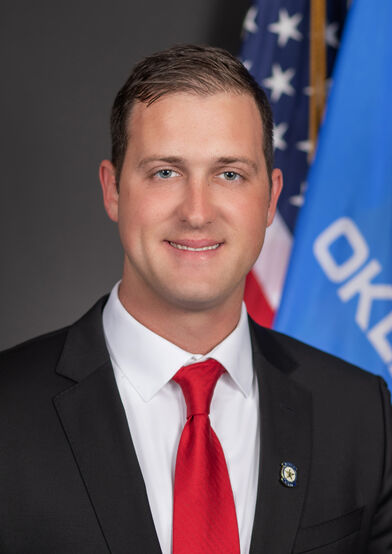
Sen. Tom Woods
Sponsored bills
Maddy summarySB 1071, the "Wildland Fire Protection Act," requires Oklahoma electric utilities (including cooperatives and public utilities) to create and maintain wildfire prevention plans. These plans must identify high-risk areas, outline infrastructure inspections, vegetation management, facility upgrades, and restoration procedures for wildfire events. The bill establishes that utilities cannot be held liable for wildfires if they followed their approved plan and implemented required mitigation work. Property owners can still seek damages for wildfire-related property damage if a utility lacks a plan, but awards are limited to restoration costs or property value loss, not punitive damages. The law aims to balance utility accountability with clear standards for wildfire prevention.
Maddy summarySB 1071, the Wildland Fire Protection Act, requires Oklahoma electric utilities to create and maintain detailed fire prevention plans addressing wildfire risks in their service areas. These plans must cover infrastructure inspections, vegetation management, and mitigation strategies, and must be shared with the public and relevant agencies. The bill shields utilities from liability for wildfires if they followed their approved plans, but allows property owners to sue for damages if a utility lacked such a plan and caused a fire. Utilities can also recover wildfire prevention costs through rate adjustments approved by the Corporation Commission.
Maddy summarySB 551 amends Oklahoma's penalties for child sexual abuse and exploitation, specifically increasing minimum sentences for offenses against children under 12. It sets a mandatory 25-year minimum prison term for perpetrators of child sexual abuse (Section F) or exploitation (Section I) involving children under 12, replacing previous sentencing ranges. The bill also requires mandatory post-prison supervision for certain convictions and expands the age range covered to include all children under 18. These changes directly affect individuals convicted of child sexual abuse/exploitation (including enablers like caregivers) and the state's sentencing framework. The law updates statutory language but does not alter defenses or exemptions like reasonable parental force.
Maddy summarySB 551 amends Oklahoma's child sexual abuse statutes to increase penalties for offenses involving children under 12. It mandates a minimum 25-year prison sentence for anyone convicted of child sexual abuse or exploitation of a child under 12, replacing previous sentencing ranges. The bill also requires post-prison supervision for certain convictions and states that consent is never a defense in these cases. This directly affects perpetrators of child sexual abuse/exploitation, particularly those targeting children under 12, and applies to all children under 18.
Maddy summaryThis bill amends Oklahoma's cockfighting laws by updating definitions and reducing penalties for certain offenses. It directly affects individuals involved in cockfighting activities, including organizers, participants, and those who provide facilities or equipment like cages or training devices. Key changes include redefining "cockfight" to cover training fights and declaring specific equipment as contraband, while lowering penalties for first-time offenses to a misdemeanor (up to one year in jail or $500 fine) and adjusting fines for repeat violations. The bill repeals three existing sections related to asset forfeiture for cockfighting violations and takes effect on November 1, 2025.
Maddy summarySB 1111 updates Oklahoma's cockfighting laws by expanding the definition to include training fights where birds are encouraged to attack, and declares fighting bird equipment (like knives or cages) as contraband subject to seizure. It repeals outdated asset forfeiture provisions and adjusts penalties: first-time violations are now misdemeanors (up to $500 fine or one year in jail), second offenses carry higher fines ($2,500 max), and third offenses become felonies (up to two years in prison or $5,000 fine). The bill also explicitly prohibits activities like promoting, refereeing, or advertising cockfights. The law takes effect November 1, 2025.
Maddy summaryHB 2841 amends Oklahoma's management rules for the Tobacco Settlement Endowment Trust Fund, directly affecting the fund and its Board of Investors. It requires the Board to invest fund assets using "prudent person" standards, diversify investments to minimize risk, and hire investment managers through competitive bidding. The bill mandates that at least 2% of the fund's principal balance or $40 million (whichever is greater) must be spent annually on grant and incentive programs. The changes take effect July 1, 2025.
Maddy summaryHB 2841 updates the management rules for Oklahoma's Tobacco Settlement Endowment Trust Fund. It requires the Board of Investors to use competitive bidding for selecting investment managers, custodial banks, and financial consultants, and mandates that at least 2% of the fund's principal balance (or $40 million, whichever is greater) be spent annually on grant programs. The bill also allows the State Treasurer to cover up to two staff positions as administrative costs for the fund. These changes apply to the fund's investment strategy and spending requirements, directly affecting how the trust fund is managed and distributed.
Maddy summarySB 1070, titled "Kenny's Law," proposes a requirement that gates containing livestock must remain closed at all times, except during specific, limited situations like property maintenance, livestock movement, or reasonable entry/exit. It directly affects livestock property owners, farmers, and anyone working with enclosures by mandating gate closure to prevent escapes. Violations - such as leaving gates open, damaging gates, or allowing livestock to escape - would be misdemeanors punishable by fines up to $2,500 or up to one year in jail for repeat offenses. The bill, which failed committee review on February 17, 2025, would have taken effect November 1, 2025, if enacted.