

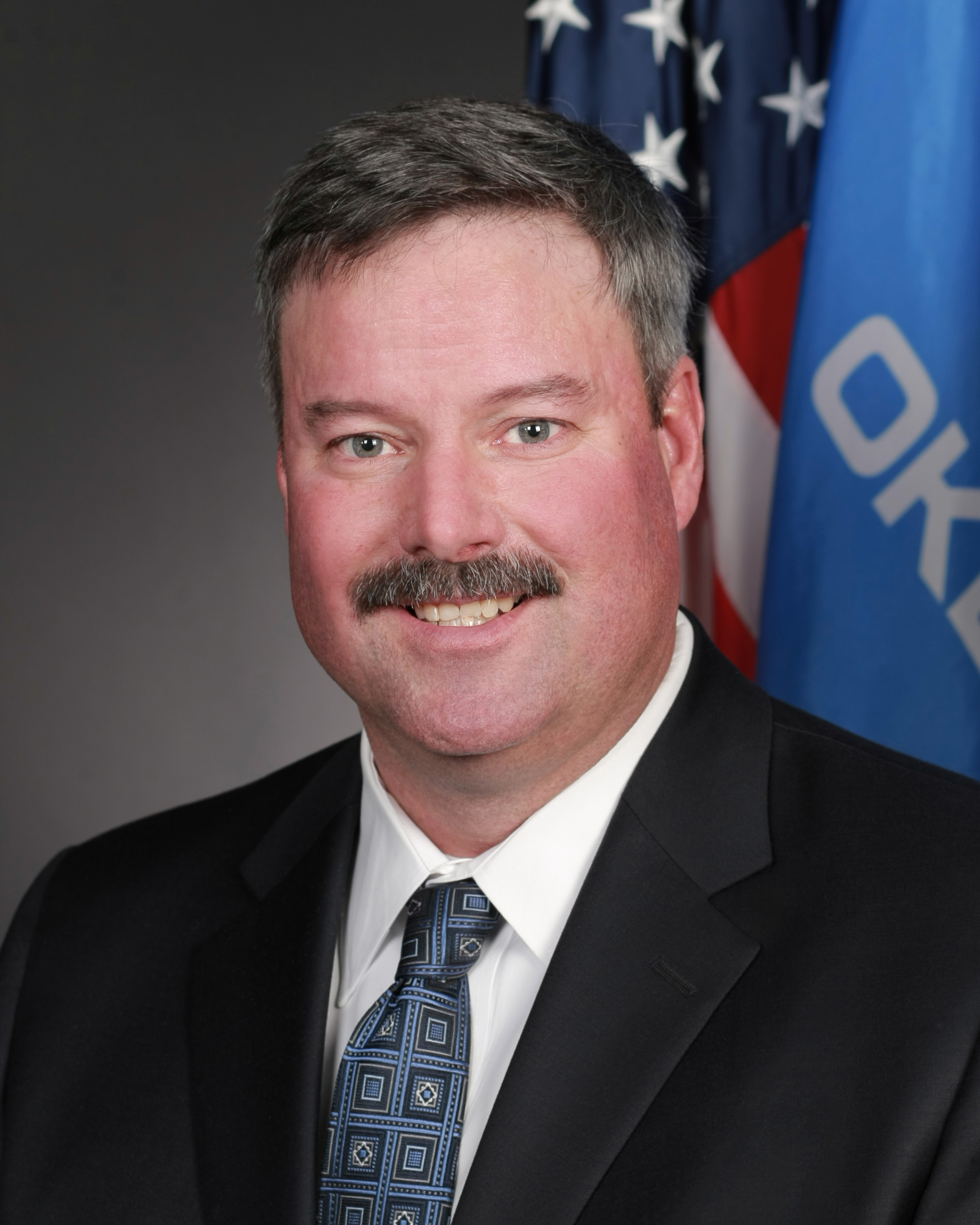
Maddy summaryHB 4124 allows Oklahoma pharmacists to dispense ivermectin to patients without a prescription, following state pharmacy board protocols. Pharmacists would be protected from legal liability when dispensing ivermectin per these protocols. The Oklahoma State Board of Pharmacy would create specific rules for implementation, including patient instructions. The law would take effect November 1, 2026.
Sponsored bills
Maddy summaryHB 4340 would add a sales tax exemption for the sale of "frack water" (wastewater from oil and gas extraction) in Oklahoma. This exemption would directly affect oil and gas companies and vendors selling this wastewater, eliminating the sales tax on such transactions. The bill amends Oklahoma's sales tax code to include this specific exemption under existing tax exemption categories. The policy change would reduce tax burdens for businesses involved in handling oil and gas extraction wastewater. The bill is currently pending in the Appropriations and Budget Natural Resources Subcommittee.
Maddy summaryHB 4229 clarifies when Oklahoma school districts can declare emergencies to bypass standard bidding rules for urgent repairs. It limits emergency declarations to two specific situations: when a school building is unoccupied due to damage/unsafe conditions, or when students are displaced from the facility. The bill requires written documentation of the emergency reason, approval by the school board, and public record retention. It explicitly prohibits using this authority for routine maintenance, planned renovations, or convenience-related projects. This bill directly affects school districts seeking to quickly address facility emergencies impacting student safety or attendance.
Maddy summaryHB 1242 modifies Oklahoma's agricultural sales tax exemptions to clarify which farm-related purchases qualify for tax relief. It specifically exempts direct sales of farm products (like produce and dairy) to consumers, livestock sales (including cervidae like deer), feed, fertilizer, and farm equipment used in production. The bill requires purchasers to provide written certification confirming items will be used for agricultural purposes, with penalties for false certifications. This affects Oklahoma farmers, ranchers, and agricultural businesses purchasing qualifying goods, ensuring tax exemptions align with actual farm operations.
Maddy summaryHB 1377 allows retail stores selling hard liquor (spirits) to offer discounted prices to current or former U.S. military members, at the store’s discretion. This exception modifies existing rules that prohibit retailers from providing "prizes, premiums, gifts, or similar inducements" with alcohol sales. The discount must maintain a minimum 6% markup on the product, as defined by existing law. The change specifically applies to spirits licenses, not beer or wine sales, and does not alter other restrictions on alcohol promotions or sales hours.
Maddy summarySB 1929 requires utility companies that own high-voltage electric transmission lines (over 300 kilovolts) to pay landowners $2 per linear foot annually for lines passing over their property. This directly affects landowners whose land is crossed by such transmission lines and the utility companies operating them. The bill establishes this annual payment as a new requirement under Oklahoma law, effective November 1, 2026. It does not change existing utility rates or require new infrastructure, only creating a payment obligation for specific existing transmission corridors.
Maddy summarySB 2130 modifies Oklahoma's municipal audit requirements, allowing cities and towns with $50,000+ total revenue and populations under 2,500 to conduct biennial financial reviews instead of annual audits. It also exempts qualifying small municipalities from needing audits solely to receive federal, state, or local grants. The bill establishes specific financial procedures for these biennial reviews, including documentation checks and fund balance compliance. This change takes effect November 1, 2026, directly affecting small Oklahoma municipalities and related public trusts meeting the criteria.
Maddy summarySB 1870 amends Oklahoma law to allow municipalities participating in the Oklahoma Public Employees Retirement System (OPERS) to enter into specific trust agreements. This change explicitly permits such agreements, which were not previously covered under the statute, for purposes related to managing retirement system operations. The bill does not alter retirement benefits, contribution rates, or funding formulas but provides municipalities with a new administrative tool for retirement system management. It directly affects all Oklahoma municipalities currently enrolled in OPERS.
Maddy summarySB 1081 allows the Oklahoma Department of Agriculture, Food, and Forestry to form public or private partnerships specifically to develop veterinary medicine businesses in rural communities and other areas of the state with limited local veterinary services. The bill directly affects rural communities facing shortages of veterinary care and the department's ability to collaborate with partners to address this need. Key provisions authorize the department to enter these partnerships to foster business development in underserved areas, without requiring new state funding. The law would take effect on November 1, 2025.
Maddy summaryHB 1912, the "Corn Masa Nutrition Enhancement Act," requires corn masa flour and wet corn masa products sold in Oklahoma to contain specific folic acid levels starting January 1, 2026: 0.7 mg per pound for corn masa flour and 0.4 mg per pound for wet corn masa products. Manufacturers must also label these products to declare folic acid content per federal standards and specify whether they contain corn masa flour or were made via wet corn masa processing. The law exempts cottage food operations, food facilities, and small-volume operators from these requirements, and explicitly excludes snack foods (like chips) from the rules. The bill becomes effective November 1, 2025, with compliance beginning January 1, 2026.