

Maddy summarySB 1060 establishes minimum medical loss ratio (MLR) standards for dental insurance plans sold in Oklahoma. It requires insurers to spend at least 75% of premium revenue (for individual/small group plans) or 80% (for large group plans) on actual dental care and quality improvements, rather than administrative costs. If these thresholds are not met, insurers must issue annual rebates to enrollees by August 1 of the following year. The law applies to most dental benefit plans but excludes Medicaid and state-sponsored health plans, and mandates annual reporting to the Oklahoma Insurance Department.
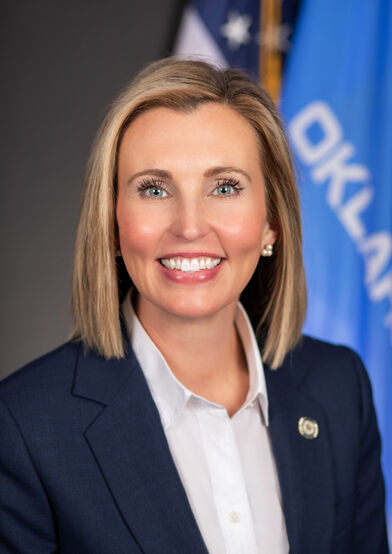
Sen. Kristen Thompson
Sponsored bills
Maddy summarySB 203 requires the Oklahoma Health Care Authority to reimburse hospitals 100% of the statewide average nursing facility per diem rate for Medicaid patients who meet specific criteria. It directly affects hospitals and Medicaid enrollees who no longer need acute inpatient care but require nursing facility-level care upon discharge and cannot be transferred due to bed shortages or unresolved guardianship issues. The bill mandates this reimbursement subject to federal approval, effective July 1, 2025, and declares an emergency to expedite implementation. This policy change ensures hospitals receive full payment for transitional care services under defined circumstances.
Maddy summarySB 256 creates two new Oklahoma income tax credits. Employers can claim a 30% credit for qualifying child care expenses (e.g., licensed facility costs or contracted spaces for employees), capped at $30,000 annually per employer. Qualified child care workers (employed 8+ months, enrolled in professional development, with 12+ credit hours) receive a $1,000 refundable credit (meaning it can be paid even if no tax is owed). The bill includes annual limits of $5 million for employer credits and $14 million for all credits starting in 2028, with unused credits carryable forward for up to five years. It applies to tax years 2026-2030 and takes effect November 1, 2025.
Maddy summaryThis bill establishes the Creating Oklahoma's Modern Plan for Economic Transformation and Effectiveness (COMPETE) Act to modernize the state's economic development strategy. It creates a new Division on Economic Development, Growth, and Expansion within the Oklahoma Department of Commerce to serve as the primary agency for driving economic growth and coordinating investment activities. The legislation also forms a nine-member advisory board appointed by the Senate, House, and Governor, requiring members to have significant private sector experience and expertise in areas like finance, marketing, and international commerce. These new entities will work together to manage public funds and incentives aimed at attracting and retaining businesses across the state.
Maddy summaryThis bill, known as the Sergeant CJ Nelson Legacy Act, provides fee waivers for children of Oklahoma peace officers, firefighters, law enforcement officers, and emergency medical technicians who died while performing their duties. It removes room and board charges at state universities and tuition fees at career technology districts for these children, limiting the benefit to a five-year period. The law defines eligible individuals broadly to include both volunteer and salaried personnel and designates the waiver as a service benefit for the families of fallen first responders.
Maddy summaryThis bill reorganizes the Oklahoma Department of Commerce by formally designating it as the state's primary agency for economic development and updating its mission to focus on job creation and community growth. The legislation clarifies legal definitions within state statutes to ensure the department is recognized as the central authority for economic planning, replacing previous references to other departmental names. Key provisions require the department to create a five-year strategic plan, coordinate with other agencies on infrastructure funding, and provide technical assistance to local communities seeking federal grants. Additionally, the bill establishes a new infrastructure program that allows local governments to finance public works projects aimed at improving facilities for health and environmental compliance.
Maddy summaryThis bill creates a tax credit program for licensed healthcare professionals in Oklahoma who provide unpaid training to medical students, residents, and other trainees. Eligible providers, known as faculty preceptors, can receive a credit against their state income tax for each 160-hour training rotation they supervise, with the amount varying based on the type of student and the number of rotations completed. The program is funded through specific revolving funds that collect license fees, and the total credits issued each year are limited by the amount of money available in these funds. The tax credit is available for training periods between 2025 and 2034, and unused credits can be carried forward for up to five years.