

Maddy summaryHB 2445 is a procedural bill that creates the "Transportation Reform Act of 2025" as a named legislative act and sets its effective date for November 1, 2025. The bill contains no substantive policy changes or mechanisms - its sole purpose is to establish the act's name and effective date. It does not affect any specific individuals, entities, or transportation policies. This is a non-substantive naming and timing measure, not a policy bill.
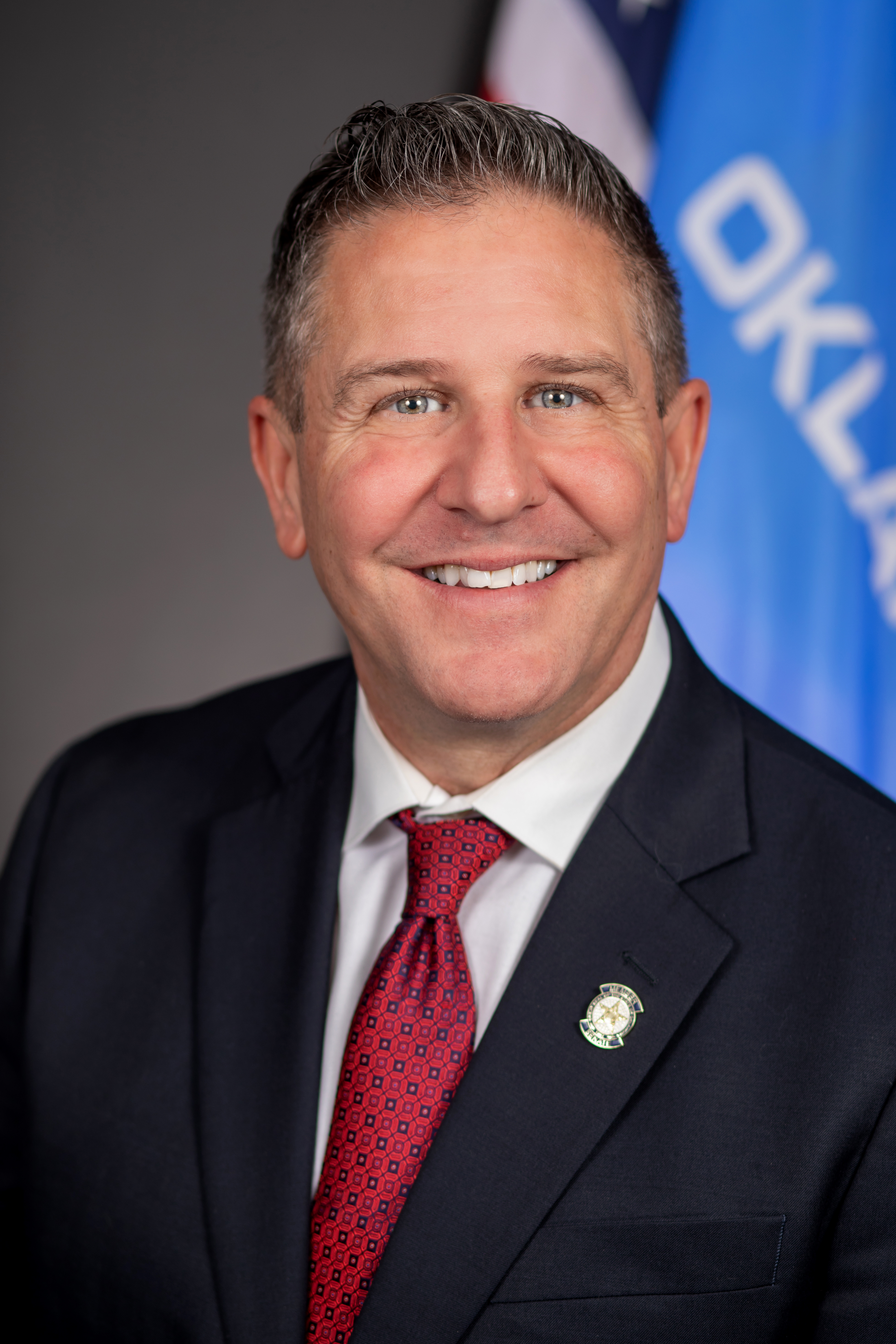
Sen. Todd Gollihare
Sponsored bills
Maddy summaryHB 4130 is a procedural bill that creates the name "Oklahoma Crimes and Punishments Act of 2026" and sets its effective date as November 1, 2026. It does not establish new criminal laws or punishments but formally names the future act. The bill contains no substantive policy provisions, only naming and effective date language. It was introduced on February 2, 2026, and referred to the Rules committee.
Maddy summaryHB 3471, the "Corporation Commission Updating Act of 2026," would update Oklahoma's Corporation Commission by adding the Oklahoma Bureau of Narcotics and Dangerous Drugs Control and the Alcoholic Beverage Laws Enforcement Commission to its list of overseen agencies. This change would directly affect these two agencies, placing them under the Commission's regulatory authority for oversight and management. The bill's key provision expands the Commission's jurisdiction to include these specific entities, streamlining regulatory responsibilities. The amendment to include these agencies was submitted by Representative Rande Worthen during the bill's committee process.
Maddy summaryHB 3743 updates Oklahoma's criminal procedure for determining defendant competency. It defines "competent" as understanding charges and assisting defense, and "incompetent" as lacking that ability. The bill requires courts to hold competency hearings within a "reasonable period" (max 2 years or the maximum sentence for the charge), mandates outpatient evaluations before inpatient care when possible, and requires periodic progress reports for competency restoration. It specifically adds protocols for cases involving intellectual disability, involving the Office of Public Guardian and Developmental Disabilities Services. This directly affects defendants in criminal cases, courts, mental health providers, and public guardianship offices.
Maddy summaryHB 3585 amends Oklahoma statutes governing court reporters, directly affecting court reporters, courts, and parties in legal proceedings. It removes the requirement that reporters use steno-masks exclusively, allowing electronic recording during proceedings when reporters are unavailable (with certified reporters still preparing official transcripts). The bill sets a $53,000 base salary for court reporters, adds a $400/year longevity bonus (capped at $8,000 annually), and provides a $3,000 annual equipment allowance. These changes apply to reporters in district courts, workers' compensation courts, and the Corporation Commission.
Maddy summaryHB 4112 removes a $10 court fee for traffic offenses (excluding parking violations) and deletes another specific fee assessment (Section 1313.3). It affects individuals convicted of certain crimes who would have paid these fees, including traffic offenses. The bill also modifies how forensic lab fees ($150 per offense) are collected and distributed, directing funds to relevant agencies instead of the CLEET fund. Additionally, it adds provisions to waive uncollectible court financial obligations and updates reporting requirements for collected fees.
Maddy summarySB 743 modifies sentencing for certain criminal disturbance offenses by specifying the range of punishments available to judges. It directly affects individuals charged with these specific offenses in court. The bill changes the legal elements defining these crimes and sets clear sentencing guidelines, replacing previous broader language. This emergency measure passed with strong legislative support (73-21) and is now moving toward final approval. (Note: Specific offense details or exact sentencing ranges are not provided in the available context.)
Maddy summaryHB 4114 removes the automatic suspension of driver's licenses for unpaid court debts like fines, fees, and costs (excluding restitution). It requires courts to hold "cost hearings" to determine a person's ability to pay before imposing penalties, and allows hardship waivers for those who cannot afford payments. The bill specifically presumes inability to pay for individuals receiving TANF, SNAP, housing assistance, or earning below 150% of the federal poverty level. Service Oklahoma must stop suspending licenses for these debts and provide notifications about payment options or cost hearings.
Maddy summarySB 1803 requires Oklahoma law enforcement agencies to adopt written pursuit policies and obtain "pursuit-ready" certification from the Council on Law Enforcement Education and Training. It mandates specific training on pursuit decision-making, risk assessment, and termination procedures, with the Council setting minimum training hours. The bill creates a legal presumption that fleeing suspects cause injuries during pursuits, shielding officers from liability unless intentional misconduct is proven by clear evidence. This applies directly to law enforcement agencies and officers conducting lawful pursuits, effective November 1, 2026.
Maddy summarySB 1588 expands Oklahoma's Address Confidentiality Program to allow medical care providers (including doctors, nurses, paramedics, and hospital staff) who have reported a crime against them to use a confidential address instead of their real residential or work address. Applicants must submit a sworn statement detailing safety concerns, provide contact details for the Attorney General, and designate the AG as their agent for mail and legal notices. The Attorney General approves applications, provides a substitute address for official records, and keeps actual addresses confidential, with penalties for false statements including perjury charges. The program, effective November 1, 2026, ensures medical providers can safely access services while maintaining privacy from potential retaliation.