

Maddy summaryHB 3645 amends Oklahoma's hospice care requirements to expand eligibility determination options when patients lack legal representatives. It allows hospice admission decisions by a licensed long-term care administrator (with 6 months oversight and two physician approvals), two physicians reviewing medical history, or a primary care physician managing care for six months. The bill maintains existing standards like 24/7 care, bereavement programs, and prohibitions on improper patient solicitation. It directly affects hospice providers and patients without appointed guardians, ensuring timely access to hospice services under defined criteria.
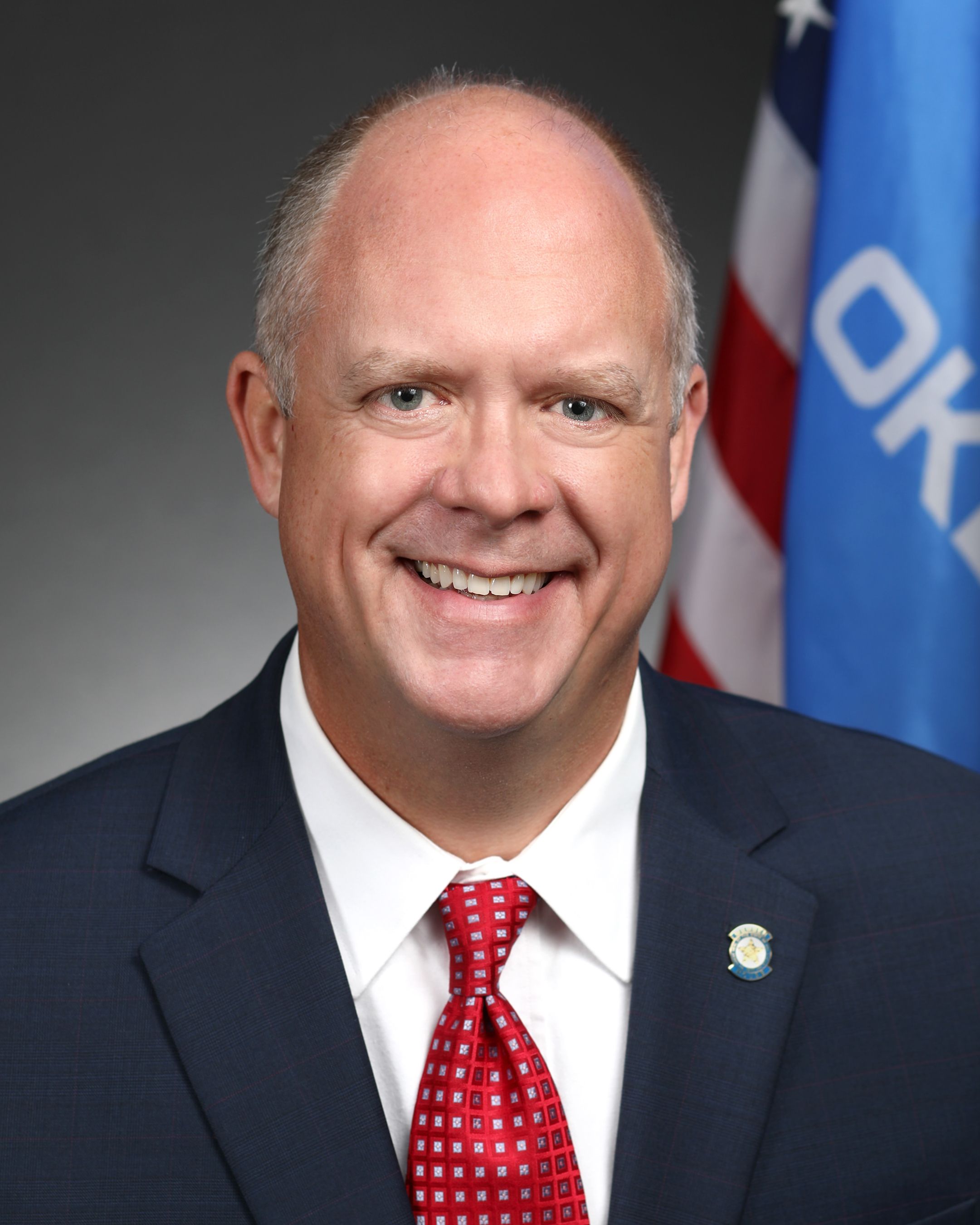
Rep. Preston Stinson
Sponsored bills
Maddy summaryHB 3648 amends Oklahoma's Governmental Tort Claims Act by clarifying key definitions, primarily expanding who qualifies as a "government employee" for liability purposes. It specifically adds new categories like "charitable health care provider" and "community health care provider" (including federally qualified health centers), while detailing that certain medical professionals - such as physicians in administrative roles at state universities, mental health staff under contract with state agencies, and those treating inmates - count as state employees under the Act. These changes directly affect healthcare providers and state entities by determining which actions may trigger tort claims against the government. The bill makes no new policy provisions but refines existing legal definitions to clarify liability boundaries.
Maddy summarySB 2074 requires pharmacy benefit managers (PBMs) to accept all documentation from pharmacies when challenging reimbursement amounts and include specific details in appeal requests. If an appeal is approved, PBMs must adjust payments within 14 days and provide claim-level details. The bill applies to all PBMs working with Oklahoma pharmacies and covers disputes over reimbursement rates for prescription drugs. It aims to streamline the appeals process and prevent delays in payments to pharmacies.
Maddy summaryHB 2053 defines key terms for outdoor advertising regulations along Oklahoma highways. It specifically establishes "unzoned commercial or industrial areas" as zones without local zoning, where signs are restricted: within 300 feet of residential buildings (unless owner-consented) or 500 feet of parks, schools, churches, or historical sites. The bill excludes agricultural activities, temporary signs, and areas beyond 660 feet from highway right-of-way from these restrictions. It directly affects businesses with highway-facing signage in unzoned commercial zones, clarifying where signs may or may not be placed. The bill passed unanimously in the Oklahoma House on March 10, 2025.
Maddy summaryHB 3647 creates the "Oklahoma Health Care Transparency Initiative" requiring most licensed health care providers in Oklahoma to submit anonymized claims and enrollment data to a state-designated health information exchange starting July 1, 2026. It establishes an Office within the Oklahoma Health Care Authority to oversee the initiative, with limited exemptions for providers facing financial hardship, small practice size, or technological limitations. The law mandates strict confidentiality and privacy protections for patient data, aligning with federal standards like HIPAA, and prohibits misuse of the collected information. This initiative aims to build a centralized database for health care cost and utilization data, primarily affecting hospitals, clinics, and insurers participating in Oklahoma's health care system.
Maddy summaryHB 2059 is a procedural bill that names the "Oklahoma Public Health and Safety Reform Act of 2025" and sets its effective date as November 1, 2025. The bill contains no substantive policy provisions or mechanisms; it merely establishes the act's name and effective date without altering public health or safety laws. This is a non-substantive legislative naming act, not a policy change. The bill was introduced on February 3, 2025, and referred to the Rules committee. No specific provisions or affected groups are described in the provided text.
Maddy summaryHB 3920 is a procedural bill that names the "Oklahoma Revenue and Taxation Act of 2026" and sets its effective date as November 1, 2026. It does not change tax rates, create new taxes, or alter existing tax laws - its sole purpose is to establish the act's official title and effective date. This bill directly affects future tax administration by providing a reference name for the 2026 tax code, though it is not codified in Oklahoma Statutes. The bill is currently in early stages (first reading, referred to Rules) and contains no substantive policy changes.
Maddy summaryHB 3538 is a procedural bill that names future legislation as the "Oklahoma Professions and Occupations Act of 2026" and sets its effective date for November 1, 2026. It does not change existing licensing rules or affect any professions directly, as it only establishes a title for future related bills. The bill explicitly states it will not be codified in the Oklahoma Statutes. This is a routine naming and scheduling measure, not a substantive policy change.
Maddy summarySB 1592 amends Oklahoma’s homeowners insurance laws to clarify when rates can be deemed excessive, specifically prohibiting such determinations in competitive markets while allowing them in noncompetitive markets if rates produce unreasonably high profits. It requires insurers to file all proposed rates and supporting data with the Insurance Commissioner at least 30 days before implementation, with potential extensions for review. The bill also strengthens the Commissioner’s authority to disapprove excessive rates and mandates written notices to policyholders for cancellations or nonrenewals due to nonpayment. These changes directly affect homeowners insurance companies and policyholders by increasing transparency in rate-setting and cancellation processes. The bill updates statutory references and filing timelines under the Property and Casualty Competitive Loss Cost Rating Act.
Maddy summaryThis bill is a ceremonial resolution that commends the U.S. men's and women's Olympic hockey teams for winning gold medals at the 2026 Winter Olympics. It formally recognizes the athletes, coaches, and support staff for their achievements and exemplary representation of the United States. The resolution directs copies to be sent to the Secretary of State, USA Hockey, team representatives, and the U.S. Olympic & Paralympic Committee. As a concurrent resolution, it does not create new laws or policies but serves as an official expression of appreciation from the Oklahoma legislature.