

Maddy summaryHB 2984 requires the Oklahoma Department of Human Services to request a federal waiver from the USDA to restrict Supplemental Nutrition Assistance Program (SNAP) benefits to purchases made only within Oklahoma. This would affect SNAP recipients in Oklahoma by limiting their ability to use benefits for items bought outside the state. The bill mandates that the waiver request include economic justification, an implementation plan with education and enforcement steps, and requires the state to submit annual reports on implementation progress, enforcement challenges, and observed economic impacts. The policy would take effect November 1, 2026, pending federal approval.
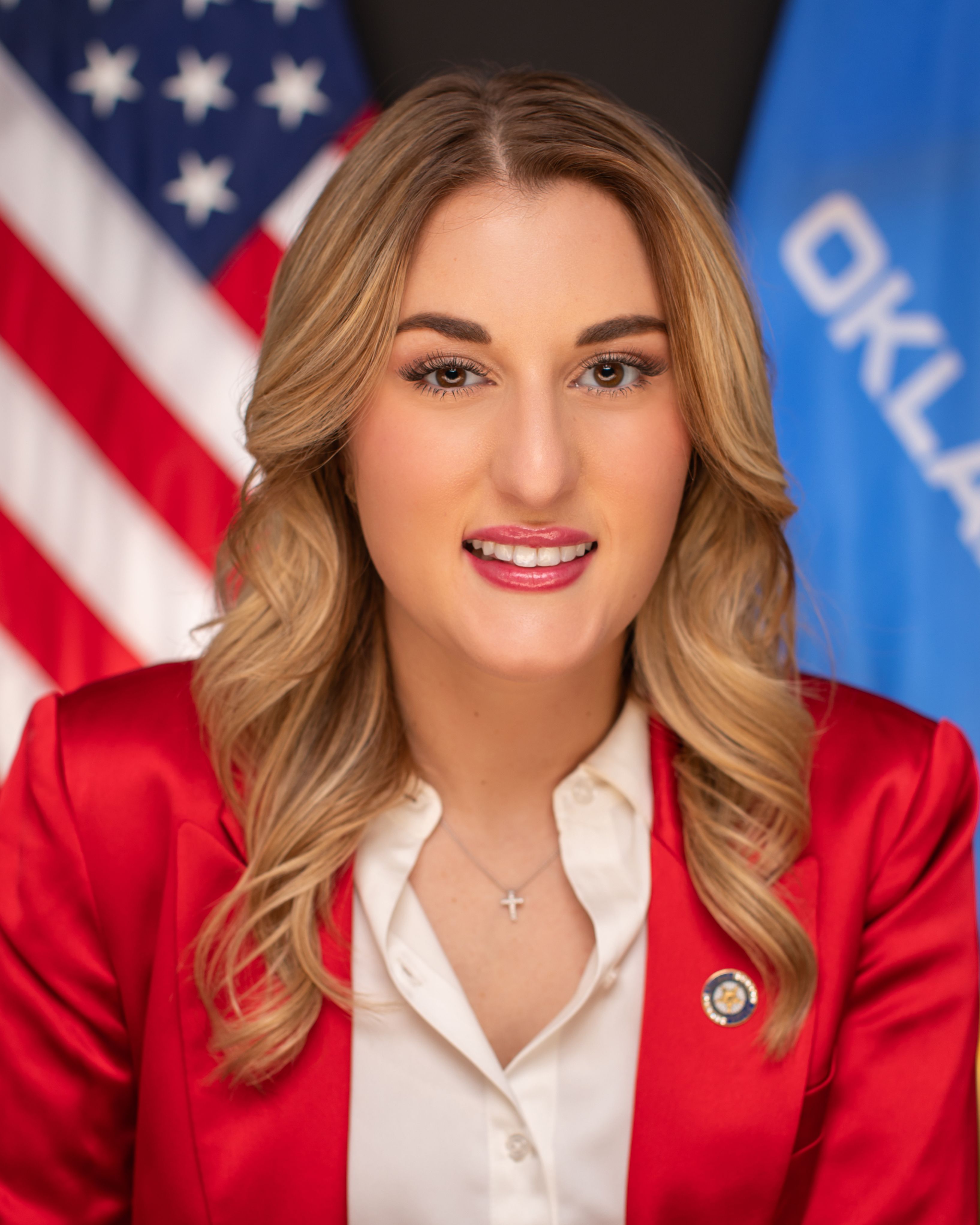
Rep. Emily Gise
Sponsored bills
Maddy summaryHB 3697 extends the deadline for defendants to file an answer in civil lawsuits from 20 to 30 days after being served. It allows defendants to reserve additional time (20-30 days beyond the original deadline) but waives certain legal arguments if they use this option. The bill clarifies when specific defenses - like lack of jurisdiction or failure to state a claim - must be raised via motion rather than in a formal response. This directly affects defendants in Oklahoma civil cases by changing procedural timelines and defense strategies.
Maddy summaryHB 2976 requires Oklahoma's Department of Environmental Quality (DEQ) to create rules establishing safe water quality levels for aluminum. These rules would set maximum allowable concentrations of aluminum in water to protect aquatic ecosystems and drinking water sources. The bill, amended to take effect in 2028, directly impacts the DEQ (which must develop the rules) and industries discharging aluminum into waterways, such as manufacturing or mining operations.
Maddy summarySB 761, the Lori Brand Patient Bill of Rights Act of 2025, establishes 21 specific rights for patients receiving care in Oklahoma hospitals. It directly affects all patients by guaranteeing respectful care, clear communication, informed consent for treatments (including risks and alternatives), access to medical records, privacy protections, and the right to participate in care decisions. Key provisions require hospitals to provide advance directive information, honor ethical concerns, explain complaints processes, and disclose ownership details via public websites. The bill mandates these rights be communicated to patients upon admission or as needed, without altering existing legal standards for care.
Maddy summarySB 1337 adds 90 days of unpaid paternity leave for full-time education employees (like teachers and school staff) in Oklahoma during their child's first year. It allows these employees to take leave without pay for childcare while still receiving full credit toward salary increases and retirement service time. The bill also updates existing leave-sharing programs to include paternity leave eligibility and modifies related revolving funds. This directly affects education employees seeking parental leave, with specific provisions for both maternity and paternity leave under updated statutes. The policy change takes effect immediately due to an emergency declaration.
Maddy summarySB 1305 allows Oklahoma's Medical Marijuana Authority to contract with third-party vendors to handle employee credentialing for medical marijuana businesses. The bill requires the Authority to approve or deny vendor applications within 30 days and sets strict vendor requirements, including IRS 501(c)(3) status and training plans covering state laws, patient privacy, and safe handling. Employees must complete annual training (minimum one hour per topic) on these subjects to maintain credentials. The law affects all medical marijuana business employees and businesses requiring credentialing, effective July 1, 2026.
Maddy summaryHB 3696 requires property and casualty insurers in Oklahoma to submit insurance rates and supporting documentation to the Insurance Commissioner for review before implementation. The bill establishes a 30-day review period during which the Commissioner can disapprove rates, with insurers allowed to request hearings if rates are rejected. It also repeals outdated sections of the insurance code and clarifies definitions related to rate filings and rating processes. This bill directly affects insurers filing rates, the Insurance Commissioner's oversight authority, and policyholders who may see rate changes influenced by this review process.
Maddy summaryHB 2935 adds diapers to Oklahoma's list of sales tax-exempt items under the state's tax code. This change directly affects consumers purchasing diapers for personal use, exempting those sales from the state's 4.5% sales tax. The bill amends Section 1357.6 of Oklahoma's Sales Tax Code to include diapers as a qualifying exemption, aligning with existing exemptions for items like food, medicine, and baby supplies. The exemption applies to all diaper sales made after the bill's effective date.
Maddy summaryHB 1776, the "United States and Oklahoma Flag Display Rights Act of 2025," prohibits state or local government entities from restricting the display of the U.S. or Oklahoma flag on government property. It specifically allows individuals to display these flags from their own vehicles or while holding them, provided the display follows proper standards without alterations or defacement. The law directly affects citizens and groups seeking to display these flags on public property, such as parks or government buildings. It does not create new government requirements but prevents existing restrictions on flag displays meeting these conditions. The bill includes an emergency clause to take effect immediately upon approval.
Maddy summaryHB 2946 creates a tuition and room/board fee waiver for grandchildren (and children) of Oklahoma public safety officers who died in the line of duty. The bill expands existing education benefits to cover descendants of peace officers, firefighters, law enforcement retirees, and emergency medical technicians who died on duty. This waiver applies to all public colleges and career technology schools in Oklahoma for a five-year period. The policy change directly affects eligible descendants of fallen public safety workers by removing financial barriers to postsecondary education.