

Maddy summaryHB 1111 simplifies SNAP eligibility for Oklahomans aged 60+ or with disabilities who have no earned income and live in qualifying households. It allows these individuals to skip annual recertification, use a shortened application form, and remain eligible for benefits for 36 months after approval. The bill also establishes a minimum $100 standard medical deduction for households with elderly or disabled members, covering verified expenses like prescriptions and doctor visits, pending a USDA waiver. These changes take effect November 1, 2025, for all new applications and recertifications.
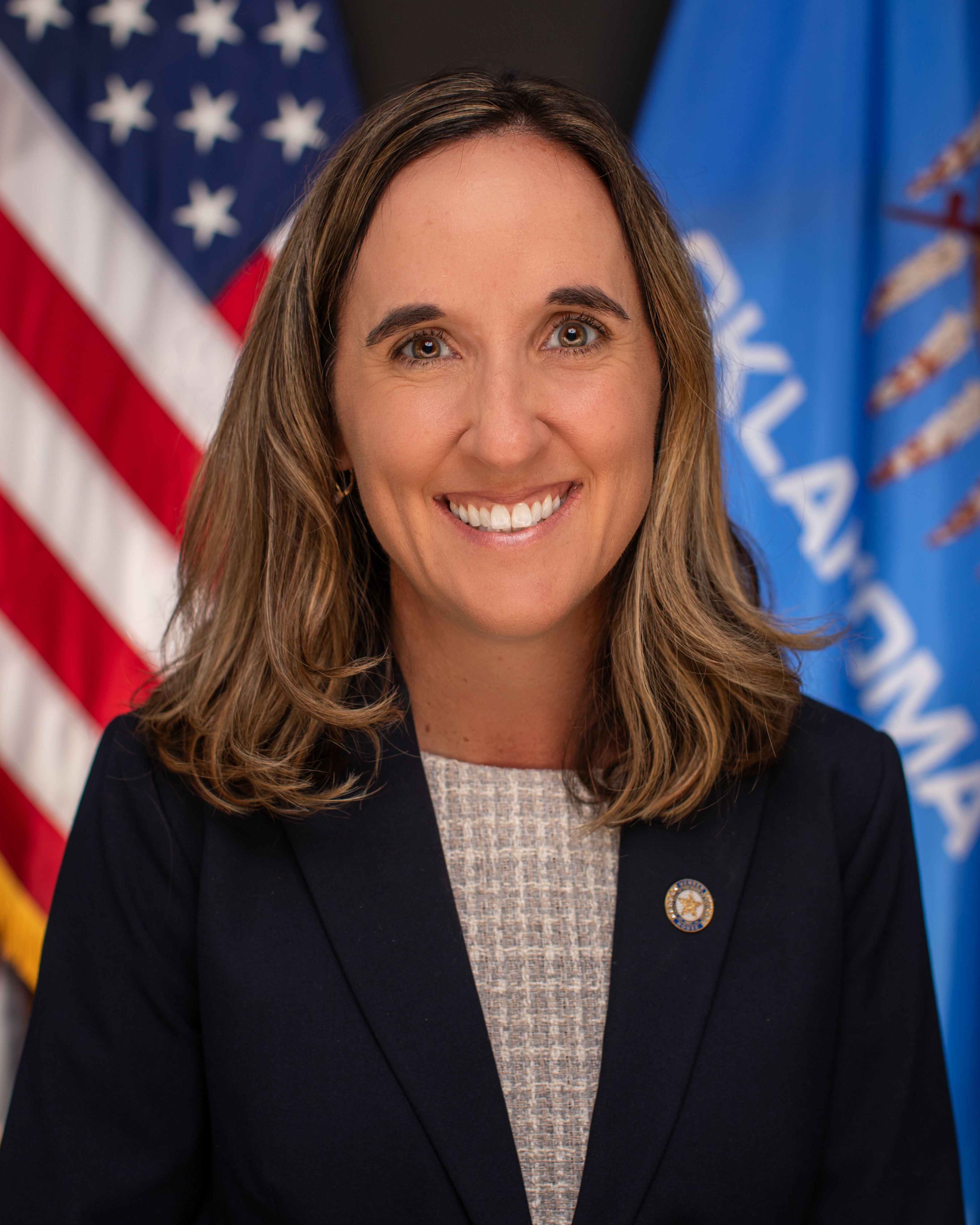
Rep. Ellen Pogemiller
Sponsored bills
Maddy summaryHB 1111 simplifies SNAP eligibility and increases benefits for elderly or disabled Oklahomans with no earned income. It creates a streamlined process allowing qualifying individuals (60+ or disabled, with all household members meeting these criteria) to use shorter forms, waive recertification, and maintain benefits for 36 months after approval. The bill also establishes a new standard medical deduction of at least $100 for households with verified medical expenses like prescriptions or doctor visits. These changes take effect November 1, 2025, and apply to all new applications and renewals filed after that date.
Maddy summaryHB 1129 proposed increasing the court fee for small claims cases in Oklahoma. It specifically targeted small claims court filings, though an amendment removed "actions for forcible entry and detainer" from the affected cases. The bill would have directly impacted individuals and businesses filing small claims lawsuits by raising their required court fees. The amendment refined the scope of the fee increase to exclude certain property-related cases. The bill ultimately failed to pass during its third reading on March 12, 2025.
Maddy summaryHB 1129 would have increased the fee for filing small claims court cases in Oklahoma, excluding cases involving "forcible entry and detainer" (eviction-related disputes). The bill directly affected individuals and small businesses filing lawsuits for minor financial claims, such as unpaid debts or property damage. It amended existing law to raise the standard filing fee while specifically removing eviction cases from the fee increase. The bill failed to pass on March 12, 2025, with 50 votes against it.
Maddy summaryHB 1109 prohibits detaining students for school absences and bans suspensions for truancy. It requires school districts to create progressive intervention plans (with three tiers) and send written notices to families for absences, replacing punitive measures. The bill also limits court involvement by allowing reports of absences only under specific circumstances and prevents placing students in institutional facilities solely for truancy. These changes directly affect students, schools, and juvenile courts in Oklahoma, shifting focus from punishment to support systems for attendance issues.
Maddy summaryHB 1109 prohibits school districts from detaining students for missing school or suspending them due to absences. It requires schools to create progressive intervention plans (like counseling) instead of punishment, and mandates written notice to families for certain absences. The bill also limits court involvement by banning truancy-only cases from leading to institutional placement, while allowing courts to report absences only under specific circumstances. Schools must first evaluate students for learning disabilities or other educational barriers before court action. This directly affects students, families, school districts, and juvenile courts in Oklahoma.
Maddy summaryHB 1128 allocates $12 million from Oklahoma's General Revenue Fund to expand the School Counselor Corps program under the State Department of Education. This funding directly supports public schools by enabling the hiring or retention of additional school counselors. The bill requires the Department to create rules for implementing the expanded program, with funds available for the 2025-2026 fiscal year. The measure becomes effective July 1, 2025, to immediately address counselor staffing needs in Oklahoma schools.
Maddy summaryHB 1131 requires Oklahoma's State Board of Education to replace "chronic absenteeism" with a school climate survey as a key indicator in school grading under the federal Every Student Succeeds Act (ESSA). The survey, to be developed for students, teachers, staff, and parents, will replace absenteeism data starting in the 2026-2027 school year if approved by the U.S. Department of Education. This change directly affects all Oklahoma public schools (elementary, middle, and high) by altering how their performance is measured and reported to parents through annual school report cards. The bill amends Oklahoma's state ESSA plan to align with this shift, with the revised plan due to federal authorities by January 1, 2026.
Maddy summaryHB 1113 creates a new certification pathway for part-time teachers (referred to as "adjunct teachers") in Oklahoma public schools. It allows these educators to teach without full certification initially if they hold a relevant bachelor's degree or terminal degree, but requires them to obtain standard certification within three years of starting full-time employment. The bill also mandates that teacher education programs offer this alternative pathway in key subjects like math, science, and foreign languages, and includes an emergency clause to take effect immediately upon passage.
Maddy summaryHJR 1002 is a constitutional amendment resolution that would change Oklahoma's referendum process. It removes the Governor's authority to set special election dates for measures referred to voters by initiative or referendum, requiring all such votes to occur at the next statewide election unless the Legislature orders a special election. The bill also shortens the deadline for filing referendum petitions to 90 days after the Legislature's final adjournment and changes the style of all bills to "Be it Enacted By the People of the State of Oklahoma." This directly affects voters who initiate or respond to referendums and limits the Governor's role in referendum scheduling.