

Maddy summaryHB 3154 is a procedural bill that names the "Oklahoma Agriculture Act of 2026" and sets its effective date as November 1, 2026. It contains no substantive policy provisions or changes to agricultural laws. The bill simply establishes a name for future reference and specifies when it takes effect. As a non-codified act, it does not directly affect any policies, programs, or individuals.
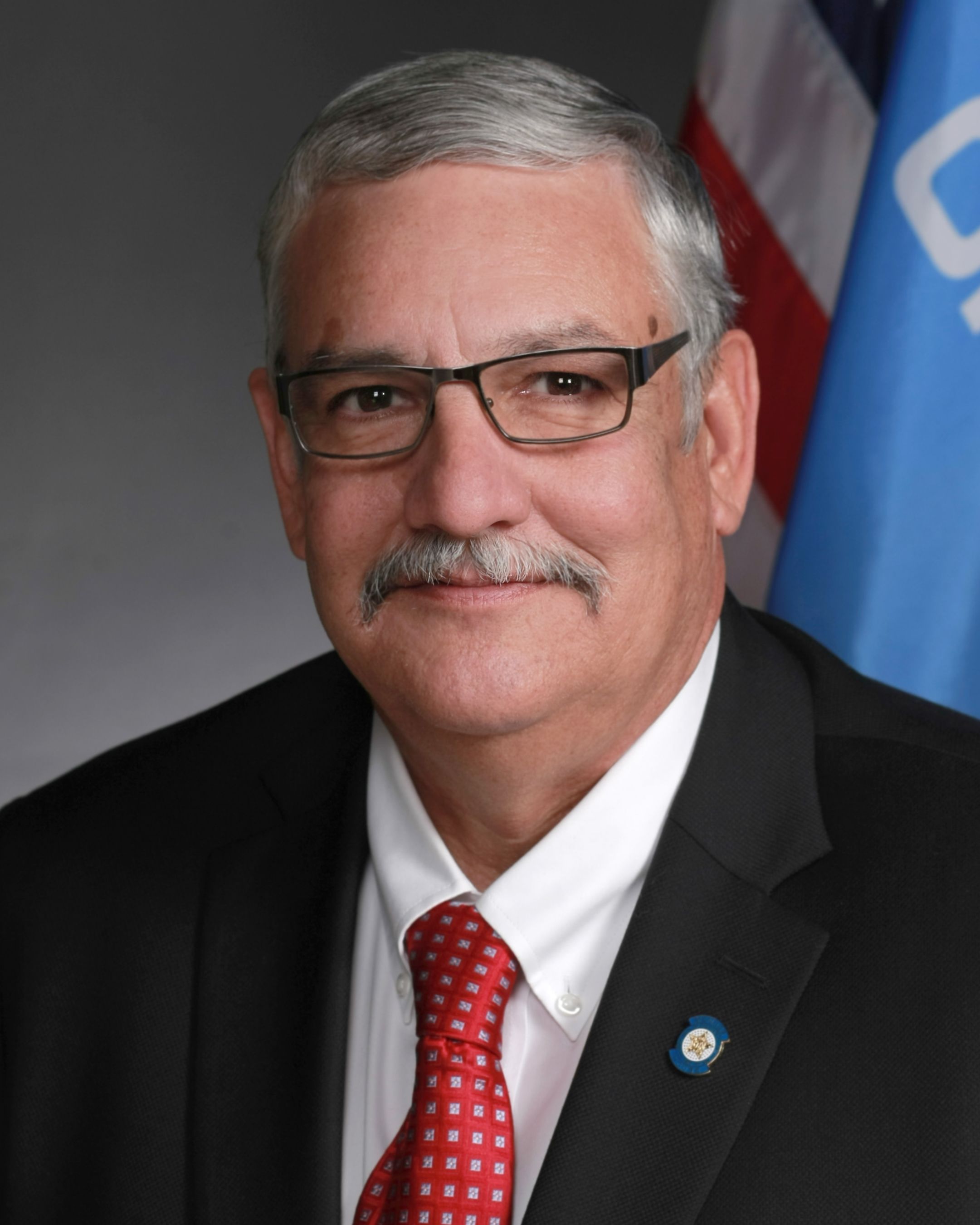
Rep. David Hardin
Sponsored bills
Maddy summaryHB 3156 is a procedural bill that names the "Oklahoma Agriculture Act of 2026" and sets its effective date as November 1, 2026. It does not establish new policies, programs, or funding; instead, it creates a noncodified legislative reference for future agricultural-related bills. The bill directly affects Oklahoma's legislative process by formally designating this title for future agricultural legislation. It has no substantive impact on agricultural operations, farmers, or state programs, as it only serves as a naming convention for the 2026 legislative session. The bill is currently in committee referral after its initial introduction.
Maddy summaryHB 3153 is a procedural bill that names a future act without creating new policies. It establishes the title "Oklahoma Public Safety Act of 2026" for a non-codified legislative measure, meaning it won't be added to Oklahoma's official statutes. The bill sets an effective date of November 1, 2026, and has only recently been introduced (first reading on February 2, 2026). As a naming resolution, it does not directly affect any specific group or alter existing public safety laws.
Maddy summaryHB 3155, titled the "Oklahoma Agriculture Act of 2026," is a procedural bill that names the act but contains no substantive policy changes. It establishes the act's official title and sets an effective date of November 1, 2026, with no new regulations or direct impacts on agricultural practices or stakeholders. The bill does not create new laws or alter existing ones, as it is explicitly designated as "noncodified" (not added to the Oklahoma Statutes). This is a routine naming and timing measure with no practical effect beyond formal designation.
Maddy summaryHB 3157, titled the "Oklahoma Agriculture Act of 2026," is a procedural bill that names the legislation and sets its effective date. It creates a non-codified section of law (meaning it won't be added to Oklahoma's official statutes) and specifies that the act takes effect on November 1, 2026. The bill does not establish new policies or affect any specific groups; it solely provides a title and effective date for future agricultural-related legislation. This is a routine naming and scheduling measure, not a substantive policy change.
Maddy summaryHB 1356 requires property owners or users of livestock gates on easements to close gates after opening them, directly affecting ranchers and landowners who maintain such gates. Violating this rule incurs escalating penalties: a $500 fine or up to 90 days in jail for a first offense, increasing to $1,500 or one year in jail for third offenses. The Oklahoma Department of Agriculture must create implementing rules, and the law takes effect November 1, 2025. This is a safety measure to prevent livestock escape, not a procedural or commemorative bill.
Maddy summaryHB 1356 requires anyone using gates on properties with livestock to close them after entry. Violations carry fines up to $1,500 or jail time (up to 1 year for third offenses), with penalties increasing for repeat violations. The Oklahoma Department of Agriculture must create implementing rules, and the law takes effect November 1, 2025. It directly affects landowners, farmers, and anyone accessing properties with livestock gates.
Maddy summarySB 91 amends Oklahoma's law to change the qualifications required for the Executive Director of the Council on Law Enforcement Education and Training (CLEET). The bill mandates that the Executive Director must hold a bachelor's degree or higher in law enforcement or a related field, plus either 10 years of law enforcement supervisory experience or 5 years of active experience including supervisory duties and a relevant degree. This change directly affects the person appointed to lead CLEET, which oversees training standards and certification for all law enforcement officers in Oklahoma. The bill was introduced as an emergency measure to update leadership requirements for this key agency.
Maddy summarySB 91 proposed specific qualifications for the Executive Director of the Council on Law Enforcement Education and Training (CLEET). It would have established requirements for this position within the law enforcement training council. The bill was procedural in nature, focusing on personnel standards rather than substantive policy changes. It failed to pass in committee on May 19, 2025, with 20 votes in favor and 24 against. The bill did not become law.
Maddy summaryHB 1588 creates the Spring Creek Watershed Study Act, requiring the Oklahoma Conservation Commission to conduct a comprehensive water quality study in the Spring Creek watershed (spanning Cherokee, Delaware, and Mayes counties) by June 1, 2026. The study will identify voluntary, incentive-based conservation practices - such as riparian restoration and soil conservation - to protect water quality and fish habitats. It establishes a revolving fund in the State Treasury to accept public and private grants for this work, with funds managed by the Commission. The bill directly affects residents and stakeholders in the Spring Creek area, aiming to address declining water quality through collaborative, non-regulatory solutions.