

Maddy summarySB 32 modifies Oklahoma's National Guard Educational Assistance Program to cover required fees like course-specific charges alongside tuition. It sets caps: 120 credit hours for undergraduate degrees and 40 for master's programs, while requiring joint review of fees by state education leaders and the military. Eligible Guard members must maintain academic standing, a 2.0 GPA, and commit to 24 months of active service after graduation. The bill also allows the military to deny assistance for failing to meet academic or service requirements, with repayment rules for noncompliance.
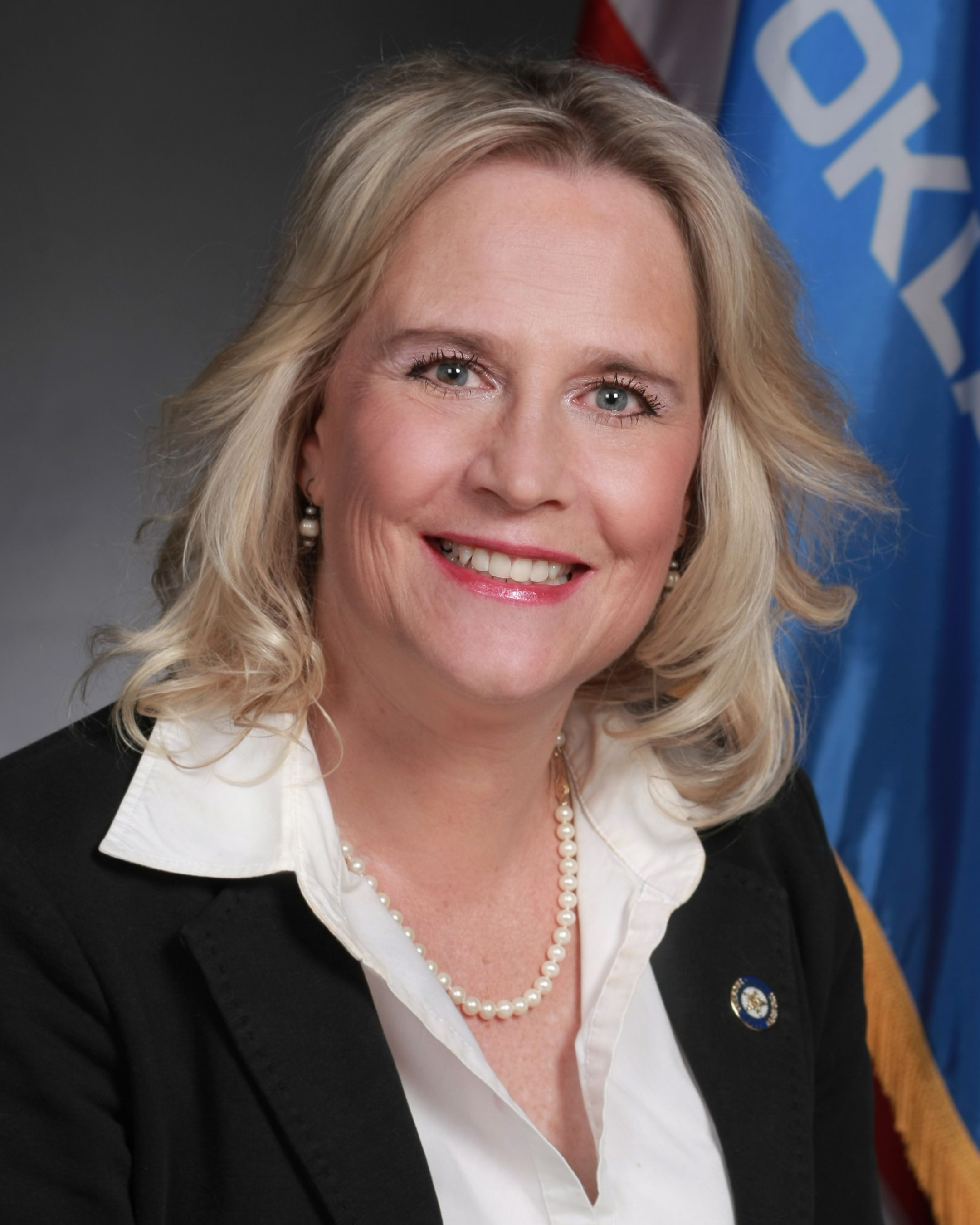
Rep. Nicole Miller
Sponsored bills
Maddy summarySB 443 modifies Oklahoma's medical licensure rules to streamline processes and update background checks. It creates a new position for the Board of Medical Licensure and Supervision requiring a licensed physician as a "Medical Advisor" to assist with compliance and investigations. The bill removes specific licensure conditions for applicants, updates requirements for foreign medical graduates, and mandates national criminal background checks for physician assistant applicants while limiting how those results can be used. These changes directly affect medical applicants, foreign-trained physicians, and physician assistants seeking licensure in Oklahoma.
Maddy summaryHB 2262 requires nursing, residential, and assisted living facilities that market dementia-specific care to disclose detailed information about their services. Facilities must provide a standardized form covering care philosophy, staff ratios, activity programs, resident assessments, fees, and facility certifications to the Oklahoma Department of Health and prospective residents' families. The disclosure must be submitted before care agreements are finalized and posted on facility websites. Violations could trigger license enforcement actions by the health department, while an advisory council will help develop the disclosure requirements.
Maddy summarySB 32, the Oklahoma National Guard Educational Assistance Act, would have revised educational assistance benefits for Oklahoma National Guard members. It aimed to review certain enrollment or program fees, establish a maximum fee cap, and adjust retention eligibility requirements for the program. The bill sought to make educational support more predictable and affordable for service members. However, it died in conference on May 30, 2025, meaning it did not become law.
Maddy summaryHB 2260 creates tax credits for Oklahoma civil engineering employers and employees to encourage hiring and retention. Employers can claim credits for 50% of tuition reimbursed to new hires (first 4 years) or 5-10% of compensation paid (first 5 years), capped at $12,500 annually per employee. Employees may claim up to $5,000 yearly in tax credits for 5 years, based on their degree location (in-state vs. out-of-state). The credits apply to qualified employees with ABET-accredited degrees or Professional Engineer licenses, employed by eligible engineering firms starting January 1, 2026, through 2030. The bill takes effect November 1, 2025, with all credits expiring after 2030.
Maddy summaryHB 2263 prohibits using cellular telephones or electronic devices while driving on specific road segments, directly affecting drivers who use phones in those areas. The bill removes the previous exception for zones where workers are present and changes the effective date to November 1, 2025 (from July 1, 2026). It establishes penalties for violations and allows municipalities to enforce stricter local ordinances. The law applies to all road segments designated under the bill, not limited to construction zones.
Maddy summarySB 109 requires Oklahoma health insurance plans to cover genetic testing for inherited cancer risks and evidence-based cancer imaging for individuals with a personal or family history of cancer or increased cancer risk. This coverage must be provided without patient cost-sharing (such as deductibles or copays) when ordered by a healthcare provider following current medical guidelines, including those from the National Comprehensive Cancer Network. The law applies to all health benefit plans offered in Oklahoma starting November 1, 2025, ensuring these preventive services are accessible without financial barriers. It does not affect health savings account eligibility for non-preventive services but guarantees coverage for preventive care under federal guidelines.
Maddy summaryHB 2259 removes a requirement that military-dependent students must have Oklahoma as their "home of record" to qualify for continuous school transfers within Oklahoma public schools. The bill directly affects military families with children attending Oklahoma schools, streamlining their ability to transfer between schools without proving Oklahoma is their permanent home state. This change simplifies the process by eliminating the "home of record" language from existing transfer eligibility rules. The law took effect on May 29, 2025, after becoming law without the Governor's signature.
Maddy summaryHB 2258, the Uniform Electronic Legal Materials Act, requires Oklahoma state agencies to publish key legal documents (like session laws, administrative codes, court decisions, and agency rules) electronically in an official, authenticated format. It mandates that official publishers (such as the Secretary of State and courts) designate electronic records as official, authenticate them to ensure they are unaltered, preserve them securely, and make them permanently accessible to the public. This law directly affects state agencies that produce legal materials, establishing that authenticated electronic versions are legally valid and presumed accurate unless proven otherwise. The bill shifts how Oklahoma makes official legal records available, prioritizing digital access while ensuring reliability and security.
Maddy summarySB 287 extends Oklahoma's aerospace tax credit program, allowing employers in the aerospace sector to claim credits for tuition reimbursement and compensation paid to qualified employees through 2031. The credit for tuition is 50% of the cost (capped at the average public tuition in Oklahoma) for the first four years of employment, while the credit for compensation is 10% for employees with Oklahoma degrees or 5% for out-of-state graduates, applicable for the first five years of employment. This bill affects aerospace businesses and certain educational institutions, specifically targeting employees with ABET-accredited aerospace engineering degrees or licensed engineers.