

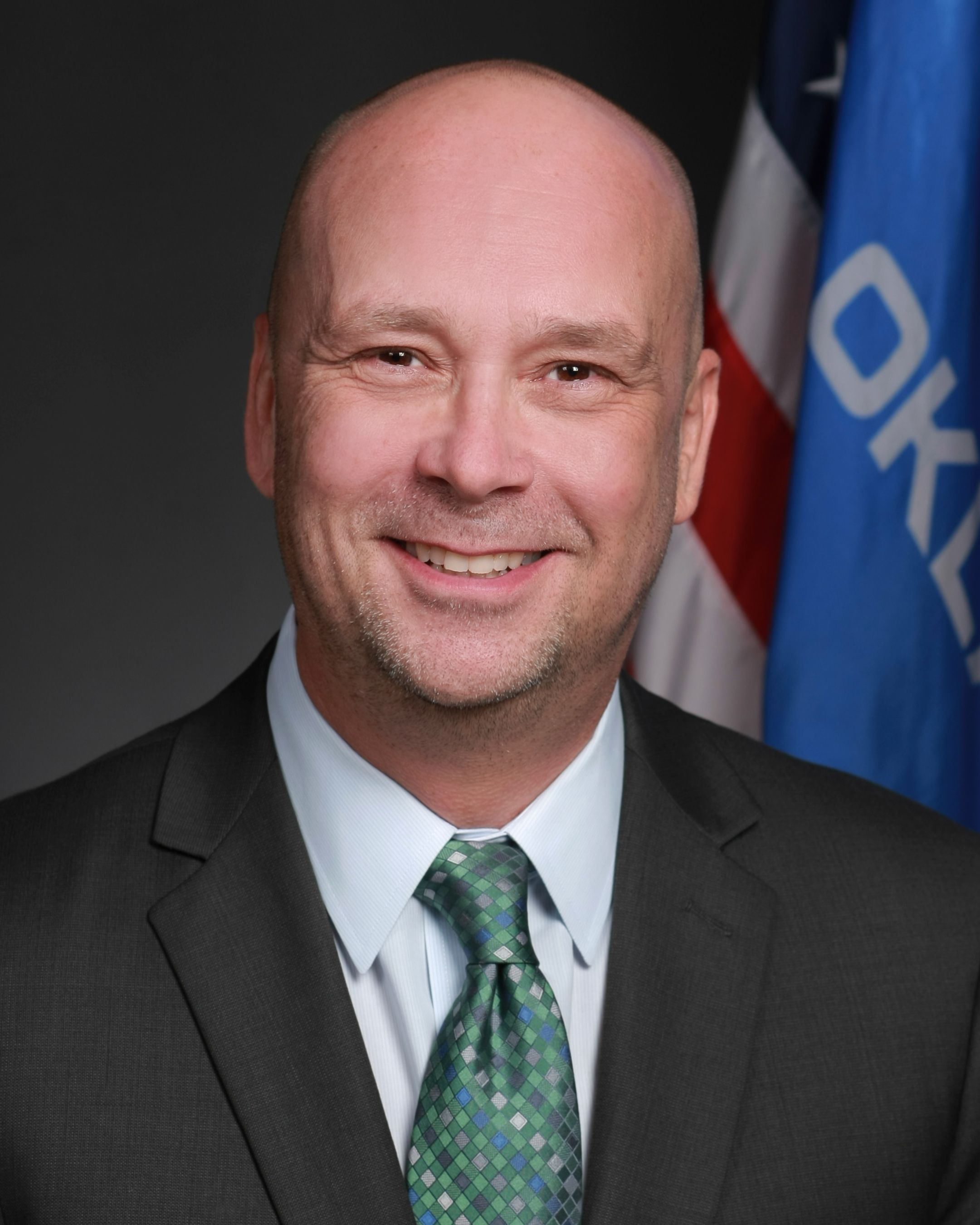
Maddy summarySCR 9 is a ceremonial resolution honoring Dean Blevins, a longtime Oklahoma sports journalist and community leader, for his four-decade career in sports broadcasting, athletic achievements, and charitable work. It recognizes his service as Sports Director at NEWS 9, his Emmy awards, his time as an OU quarterback on national championship teams, and his community contributions. The resolution directs that a copy be presented to Blevins and his family as a symbolic gesture of appreciation. This is a non-binding tribute with no policy changes or direct impact on legislation or constituents.
Sponsored bills
Maddy summarySenate Concurrent Resolution 9 (SCR 9) formally recognizes Dean Blevins for his decades of contributions to Oklahoma athletics, sports journalism, and community service. The resolution celebrates his lasting impact on the state and directs that a copy be distributed to Blevins and his family.
Maddy summaryHB 2105 reclassifies specific serious crimes into higher felony categories (Class A3 and Class B1) in Oklahoma, directly affecting individuals convicted of these offenses by increasing potential penalties. It adds 21 crimes to Class A3 (including domestic assault with a deadly weapon, child sexual abuse, terrorism, and arson causing injury) and 20 crimes to Class B1 (such as caregiver abuse, certain sodomy offenses, and child pornography-related acts). The bill modifies Oklahoma's criminal code to ensure these offenses carry stricter sentencing under the new classifications. This law became effective without the Governor's signature on May 14, 2025, making the reclassifications enforceable.
Maddy summaryHouse Bill 2105 reclassifies several felony criminal offenses within Oklahoma's legal system. The bill amends existing statutes to assign specific crimes to different felony categories, directly impacting individuals charged with or convicted of these offenses. For instance, it designates crimes such as domestic assault with a deadly weapon, child abuse, and terrorism as Class A3 offenses. Other crimes, including accessory to second-degree murder and various child pornography offenses, are categorized as Class B1. Individuals convicted of these reclassified offenses will be subject to the penalties associated with their new felony classification.
Maddy summarySB 987 creates the Oklahoma Department of Commerce Board, replacing previous governance structures. The bill establishes specific qualifications for Board members, modifies the appointment process for the Department's Chief Executive Officer (requiring Senate approval and Board input), and updates requirements for the five-year economic development plan. It also clarifies the Board's responsibilities, including approving the strategic plan and governing procedures under open meeting and records laws. This bill directly affects the Department of Commerce, its leadership, and the state's economic development planning process. The law became effective May 9, 2025, after Governor approval.
Maddy summarySB 925 creates a legal process for property owners who are victims of title theft (fraudulent transfer of property ownership) to file a "notice of fraudulent conveyance" with their county clerk. This notice, verified by oath, must describe the property accurately and serves as public warning; county clerks must record it unless they suspect it's sham legal process (with a court appeal option if refused). The bill also establishes two felony offenses: filing fraudulent documents about property (up to 3 years in prison, $5,000 fine) and intentionally stealing property title via fraud (up to 10 years in prison, $5,000 fine), both requiring restitution to victims. County clerks must post visible signs warning that filing fraudulent property documents is a crime. The law takes effect November 1, 2025.
Maddy summaryHB 2111 updates Oklahoma's vehicle titling definitions and requirements. It clarifies terms like "salvage vehicle" and "rebuilt vehicle," while adding a new requirement for owners to declare vehicle damage (from collision, flood, or theft) when applying for a title. This affects anyone registering or titling a vehicle in Oklahoma, particularly those with damaged or recovered vehicles. The bill removes outdated language but does not change existing title classification rules, focusing instead on standardizing disclosure during the titling process.
Maddy summaryHouse Bill 2111 amends the Oklahoma Vehicle License and Registration Act, updating regulations related to motor vehicle titling. The bill modifies certain exceptions within the Act and removes outdated or defunct language from the statute. These changes aim to clarify and streamline the requirements for vehicle owners in Oklahoma regarding certificates of title, such as eliminating time-sensitive provisions about security interests in all-terrain vehicles.
Maddy summarySenate Bill 987 establishes the Oklahoma Department of Commerce Board, which will oversee the Oklahoma Department of Commerce and influence the state's economic development strategies. This bill outlines the qualifications, terms, and procedures for the new Board members, and shifts the power to appoint the Department's Chief Executive Officer from the Governor to this newly created Board. The Board will also be responsible for approving the state's five-year economic development plan and will operate under the Oklahoma Open Meeting and Open Records Acts.
Maddy summarySenate Bill 925 creates new legal provisions in Oklahoma to combat real property title theft. It allows victims of title theft to file a "notice of fraudulent conveyance" with the county clerk, serving as public notice that a property transfer is alleged to be fraudulent. The bill establishes specific felony offenses for various acts of title theft, such as intentionally altering property documents or fraudulently transferring property. These new felony offenses carry penalties including imprisonment, fines, and mandatory restitution to victims, and county clerks are required to post warnings about filing fraudulent documents.