

Maddy summaryHB 4097 is a procedural bill that establishes the "Fire Chiefs' Act of 2026" as the official name for a new law (though no substantive provisions are described in the text). It sets an effective date of November 1, 2026, but does not create new regulations, duties, or funding for fire chiefs. The bill appears to be a naming resolution for future legislative action, with no direct policy changes described. This is a formal procedural step, not a substantive legislative measure affecting fire chief operations or responsibilities.
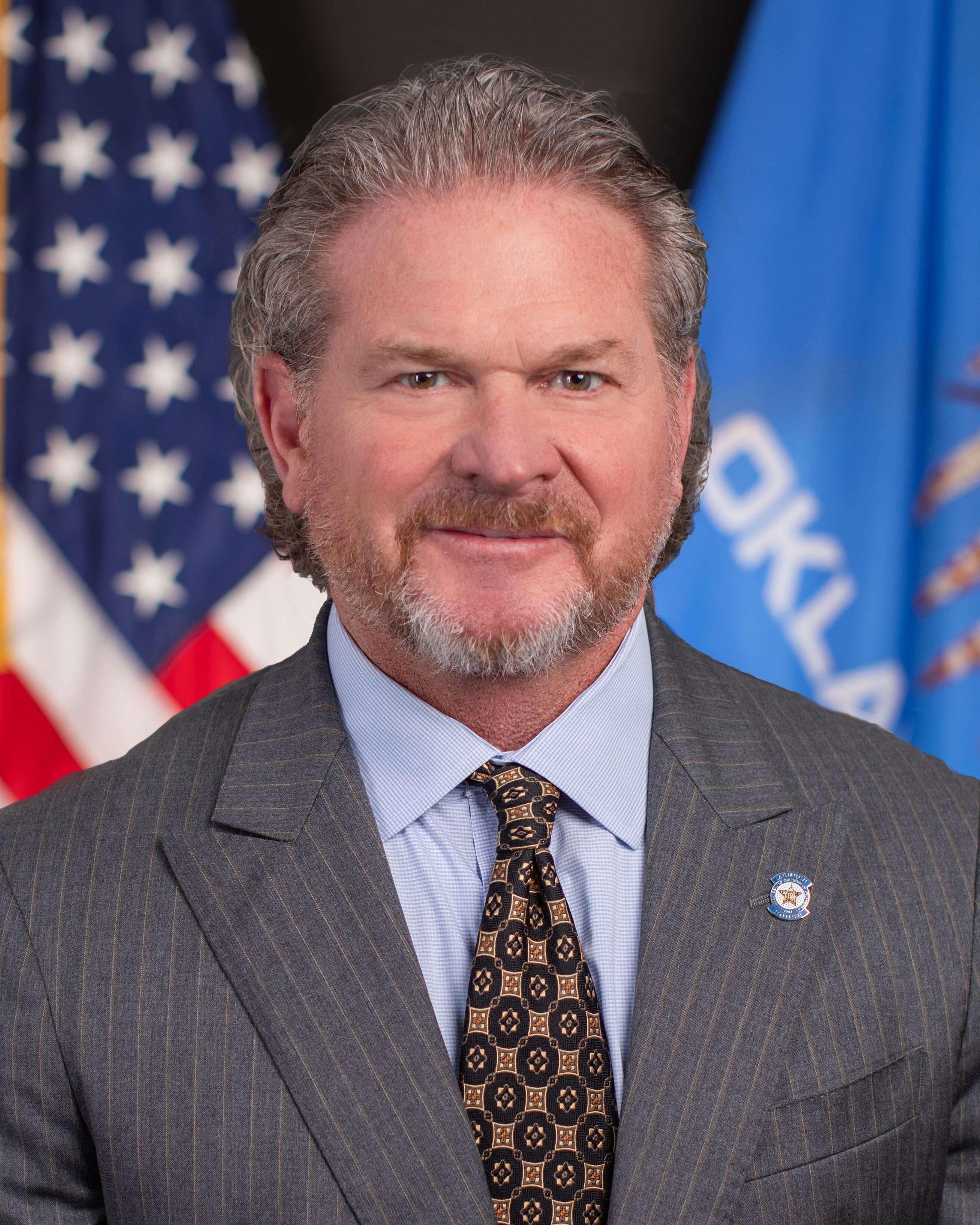
Rep. Stan May
Sponsored bills
Maddy summaryHB 4098 exempts charitable organizations hosting fundraising events from paying permit and license fees to the Oklahoma State Athletic Commission. The bill amends state law to remove costs for "charity events" - defined as events hosted by charities to raise money for philanthropic purposes - while maintaining fees for all other professional combative sports, MMA, and kickboxing events. This applies to promoters and participants in sanctioned charity events, directly benefiting nonprofit groups organizing such activities. The exemption takes effect November 1, 2026, and does not affect fees for non-charity events.
Maddy summaryHB 4100 creates the "Oklahoma Human Trafficking Act of 2026" as a standalone legislative act, not to be added to Oklahoma's official statutes. It establishes the act's name and sets its effective date for November 1, 2026. The bill does not include substantive policy changes but provides the framework for future legislation addressing human trafficking. This procedural bill has been introduced and referred to the Rules committee in the 2026 legislative session.
Maddy summaryThis bill, HB 4099, establishes the "Motor Vehicle Modernization Act of 2026" as a named legislative act without creating new codified law. It specifies an effective date of November 1, 2026, and contains no substantive policy provisions or mechanisms for vehicle modernization. The bill is procedural, merely naming the act and setting its implementation date. No concrete policy changes or affected parties are described in the provided text.
Maddy summaryHB 4101 establishes the "Retirement Act of 2026" as the official name for a retirement-related law in Oklahoma, with no substantive policy changes described in the text. The bill sets an effective date of November 1, 2026, for this act. It is a procedural measure that names the legislation and specifies its implementation date, without detailing new retirement benefits, eligibility rules, or other policy mechanisms. This bill does not directly affect any specific group or program beyond formally designating the act's name and effective date.
Maddy summaryHB 1886, now law after governor approval on May 23, 2025, updates Oklahoma's human trafficking sentencing by reducing the maximum sentence for certain trafficking acts from 25 to 10 years. The bill specifically targets traffickers convicted under these provisions, directly affecting individuals facing criminal prosecution for human trafficking offenses. Key changes include codifying this reduced sentence range into state law and adjusting related penalty structures. The amendment process clarified the exact sentencing term, replacing "twenty-five (25)" with "ten (10)" in the law. This represents a concrete policy shift in sentencing severity for specific trafficking crimes.
Maddy summaryHB 1886, now law after Governor approval, increases penalties for human trafficking offenses and formally incorporates these provisions into Oklahoma’s legal code. The bill adjusts specific sentencing thresholds, reducing a referenced penalty amount from twenty-five (25) to ten (10) in relevant sections. This law directly affects trafficking victims, legal advocates, and Oklahoma’s justice system by strengthening accountability measures through clearer enforcement guidelines.
Maddy summarySB 813 updates Oklahoma's emergency protective order process for victims of domestic violence, stalking, harassment, rape, or related crimes. It requires peace officers to immediately provide victims with a petition form, assist in completing it, and contact a judge for emergency approval - then give victims a copy of the petition and a written statement confirming approval. The bill also mandates officers attempt to serve the order on the abuser, and if unable, file the petition with the court the next business day, with court clerks prioritizing service and assigning hearing dates. Additionally, it repeals a previous "Stalking Warning Letter" requirement and clarifies notice procedures to ensure victims receive timely information.
Maddy summarySenate Bill 813 modifies the process for obtaining emergency victim protective orders for individuals experiencing domestic violence, stalking, and other specified crimes. It requires peace officers to assist victims in filing these petitions, immediately notify a judge for approval, and attempt to serve the order on the subject. If service is not achieved, peace officers must file the petition with the court the next business day, and court clerks are mandated to receive it and ensure priority service by the county sheriff. The bill also establishes that emergency temporary ex parte orders must be heard within 14 days of issuance.
Maddy summaryThis resolution (HR 1024) declares May 4, 2025, as National Firefighters' Day in Oklahoma. It symbolically honors firefighters across Oklahoma and the nation for their service, courage, and dedication in protecting communities from fires and emergencies. The resolution calls on all Oklahomans to express gratitude to firefighters for their selfless commitment to public safety. It does not create new laws, funding, or obligations - it is a ceremonial recognition with no direct policy impact on individuals or organizations.