

Maddy summaryHB 1116 automatically registers Oklahomans to vote when they apply for or renew a driver's license or state ID at Service Oklahoma locations. It also allows minors aged 16-17 to pre-register during these transactions, with automatic registration activated upon turning 18. The bill requires the State Election Board to issue voter ID cards for both automatic registrations and pre-registered voters who turn 18. This legislation, effective November 1, 2025, modifies Oklahoma election law to expand voter registration opportunities through state ID offices.
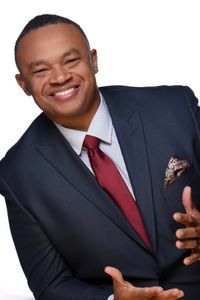
Rep. Ron Stewart
Sponsored bills
Maddy summaryHB 1145 protects practitioners of indigenous and traditional healing therapies, as well as complementary and alternative healing practices like naturopathy and massage, by shielding them from penalties under health care laws when operating within defined limits. The bill prohibits these unlicensed practitioners from performing surgery, prescribing drugs, diagnosing medical conditions, or falsely claiming licensure. It specifically requires practitioners to avoid harmful procedures, not interfere with prescribed medications, and not misrepresent their credentials. This law directly affects both practitioners offering these services and the public accessing them, while ensuring compliance with Oklahoma’s health regulations. The bill takes effect November 1, 2025.
Maddy summaryHB 1691 requires Oklahoma's Department of Human Services and State Fire Marshal to create guidelines allowing family and large child care homes to operate under the International Residential Code (IRC) fire safety standards. It prohibits local governments or agencies from imposing stricter fire safety requirements than the IRC on these child care homes. The law directly affects child care providers who must comply with the IRC instead of potentially varying local rules. The bill takes effect on November 1, 2025.
Maddy summaryHB 1117 establishes legal protections for patients undergoing in vitro fertilization (IVF) in Oklahoma. It states that human embryos created through IVF are legally considered the patient's property, removes limits on the number of embryos that can be created or frozen in a single cycle, and requires written consent from all parties involved in the procedure. The bill also specifies that children born from IVF are treated the same as naturally conceived children under the law and mandates that IVF must be performed only by licensed medical providers. These provisions directly affect IVF patients, healthcare providers, and the legal status of embryos in Oklahoma.
Maddy summaryHB 1118, the "Freedmen of Oklahoma Act," requires federally recognized Oklahoma tribes to grant citizenship rights to descendants of formerly enslaved people (freedmen) under their historical treaties or forfeit all state cooperative agreements, contracts, and funds received for tribal benefit. The Attorney General would enforce this through court action, while the newly created Freedmen of Oklahoma Commission (with 15 members appointed by state leaders) would oversee enforcement and study treaty impacts. The bill directly affects tribes that have not extended citizenship to freedmen descendants, with penalties taking effect November 1, 2025. It does not alter tribal sovereignty but mandates compliance with treaty obligations regarding citizenship.
Maddy summaryHB 1906 is a procedural bill that names the "Oklahoma Mental Health Reform Act of 2025" and sets its effective date as November 1, 2025. It does not establish new policy provisions or affect specific groups, as it is solely for naming the reform framework and specifying its implementation date. The bill was introduced by Representative Stewart on February 3, 2025, and referred to the Rules Committee. As a naming act without substantive changes described in the text, it has no direct policy impact at this stage.
Maddy summaryThis bill standardizes Oklahoma's holiday schedule by listing specific dates for holidays like New Year's Day, Independence Day, and Election Day, with automatic adjustments for weekends (e.g., if a holiday falls on a Saturday, the prior Friday becomes the holiday). It requires the Governor to issue annual executive orders specifying which holidays apply each year, including Election Day as a state holiday. State employees (excluding temporary staff) receive paid time off for designated holidays, with options for compensatory time or payment if working. The bill clarifies that government offices must close on these holidays, except for essential services, and defines "holiday" for state operations.