

Maddy summaryHB 4426 creates a state income tax credit for businesses making qualified economic development expenditures in specific Oklahoma locations. It allows eligible businesses to claim up to 10% of qualifying construction, equipment, or infrastructure costs (capped at $6 million per project), or up to 50% for rail infrastructure (capped at $3 million). The credit can be assigned to project affiliates like vendors or investors and carried forward for up to five years, with an annual state cap of $12 million. The bill applies to projects in counties under 100,000 population, industrial parks, economic development zones, or near qualifying railroads, effective November 2026.
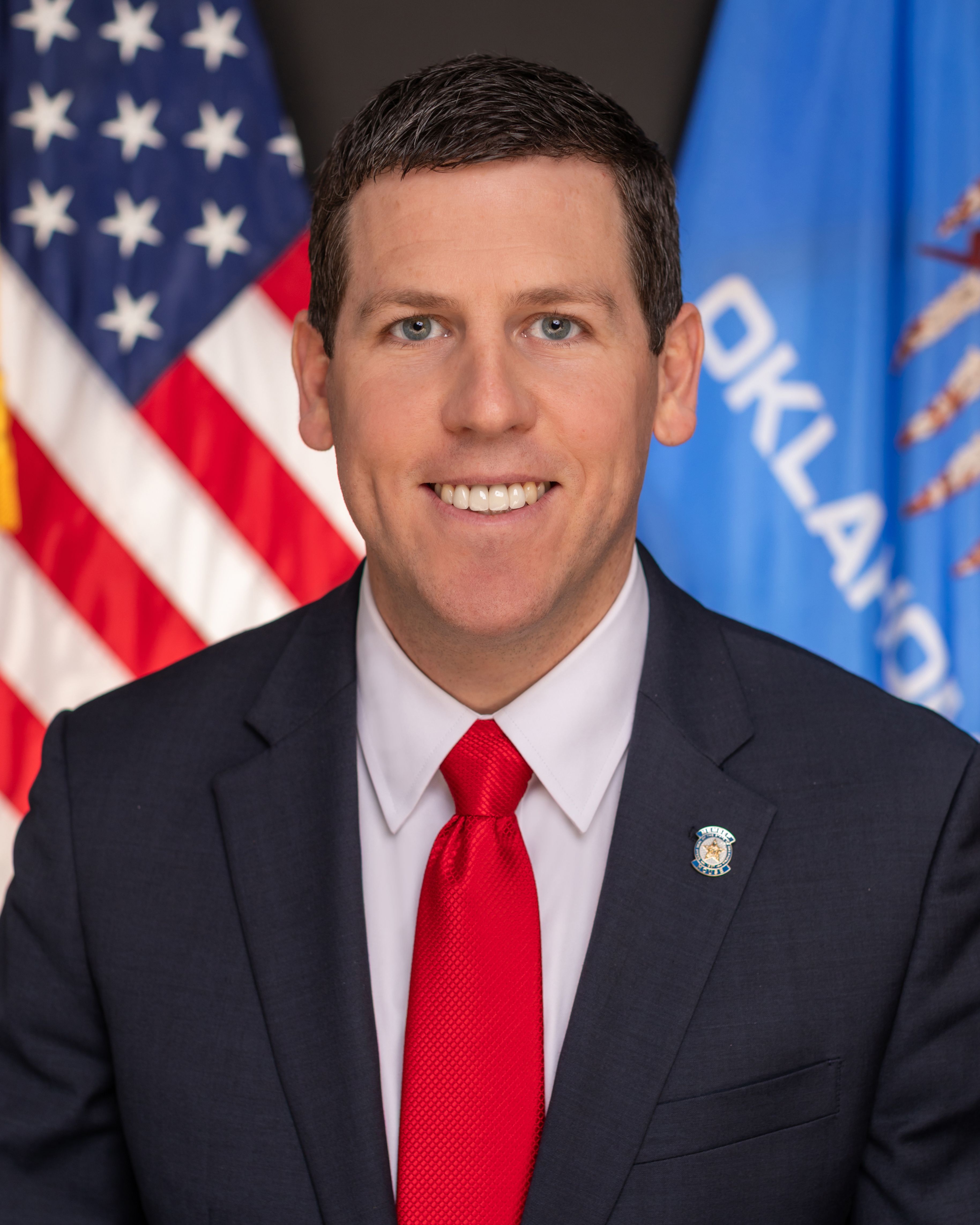
Rep. Rob Hall
Sponsored bills
Maddy summaryHB 3720, the "Access to Healthy Local Food Act," exempts direct-to-consumer sales of certain locally produced food from state licensing and inspection requirements if producers meet specific conditions. It applies to small-scale farmers selling food like fruits, vegetables, and prepared goods directly to consumers at farms or events, excluding meat, dairy, unpasteurized products, and cannabis. Producers must complete an 8-hour food safety training, provide detailed labeling (including allergen info and exemption notices), and may opt for a $15 annual registration number to simplify labeling. The law ensures counties can still regulate food sales as long as they don’t conflict with these provisions, and the Agriculture Department can enforce compliance with fines up to $300 per violation.
Maddy summaryHB 3372 creates a state-backed loan program to help charter schools fund capital expenses like building repairs or equipment. It establishes a revolving fund administered by the Statewide Charter School Board, allowing charter schools to access low-interest loans and issue bonds with state credit enhancement. The bill removes previous prohibitions on charter schools issuing bonds and requires participants to pay a one-time fee. This directly affects Oklahoma charter schools seeking financing for physical infrastructure, while the state manages repayment and fund operations through specific legislative appropriations.
Maddy summaryHB 4073 is a procedural bill that names the "Public Buildings and Lands Act of 2026" and sets its effective date as November 1, 2026. It does not create new policies or affect any individuals or entities, as it is explicitly stated to be "not to be codified" in Oklahoma Statutes. The bill serves only to formally identify and establish the implementation timeline for future public buildings and lands legislation. This is a standard naming and effective date provision with no substantive policy changes.
Maddy summaryHB 4074 is a procedural bill that names the "Public Buildings and Lands Act of 2026" and sets its effective date as November 1, 2026. It specifies that this act will not be codified into the Oklahoma Statutes, meaning it won’t become part of the state’s permanent legal code. The bill does not create new policies, alter existing laws, or affect any individuals or entities. It serves solely as administrative paperwork to establish the bill’s official title and implementation timeline.
Maddy summaryThis procedural bill names the "Public Buildings and Lands Act of 2026" and sets its effective date as November 1, 2026. It does not change any substantive laws or affect specific policies, programs, or individuals. The bill serves only to establish the official name and implementation timeline for future legislation related to public buildings and lands. It has no direct impact on constituents, agencies, or funding mechanisms. The bill was introduced on February 2, 2026, and referred to the Appropriations committee.
Maddy summaryHB 4077 is a procedural bill that names the "Public Buildings and Lands Act of 2026" and sets its effective date as November 1, 2026. It does not create new policies or affect any specific groups or public buildings; instead, it establishes the act's name and implementation timeline. The bill is uncodified (not added to Oklahoma's official statutes) and has only recently been introduced to committee for review. This is a routine legislative procedural step with no substantive policy changes.
Maddy summaryHB 4076 is a procedural bill that names itself the "Public Buildings and Lands Act of 2026" and sets its effective date as November 1, 2026. It contains no substantive policy changes or provisions affecting public buildings, lands, or any specific groups. The bill is explicitly designated as "not to be codified" in Oklahoma's official statutes, meaning it won't become part of the state's legal code. This type of bill typically serves administrative or naming purposes without altering existing laws or impacting residents or agencies.
Maddy summaryHB 4075 is a procedural bill that names the "Public Buildings and Lands Act of 2026" and sets its effective date as November 1, 2026. It does not create new policies or affect any individuals or entities, as it explicitly states the act "shall not be codified" in Oklahoma Statutes. The bill solely establishes the law's official name and implementation timeline. This is a standard administrative step to formalize the legislation's designation.
Maddy summaryThis bill establishes the State Budget Act of 2026 and sets its effective date as November 1, 2026. It does not create new spending rules or policy changes but serves as a procedural measure to formally name and date the upcoming state budget legislation. The bill affects state government operations by providing a clear legal framework for when the 2026 budget will take effect. It is a standard administrative step required to organize state financial planning for the fiscal year beginning in November.