

Maddy summaryHB 4020 is a procedural bill establishing the framework for Oklahoma's 2026 state budget. It creates the "State Budget Act of 2026" as a non-codified document (meaning it won't be added to Oklahoma's official legal code), setting the budget structure and effective date. The bill takes effect on November 1, 2026, and directly affects state budget operations and funding allocations for the 2026 fiscal year. It does not introduce new programs, funding levels, or policy changes - only formalizing the budget process.
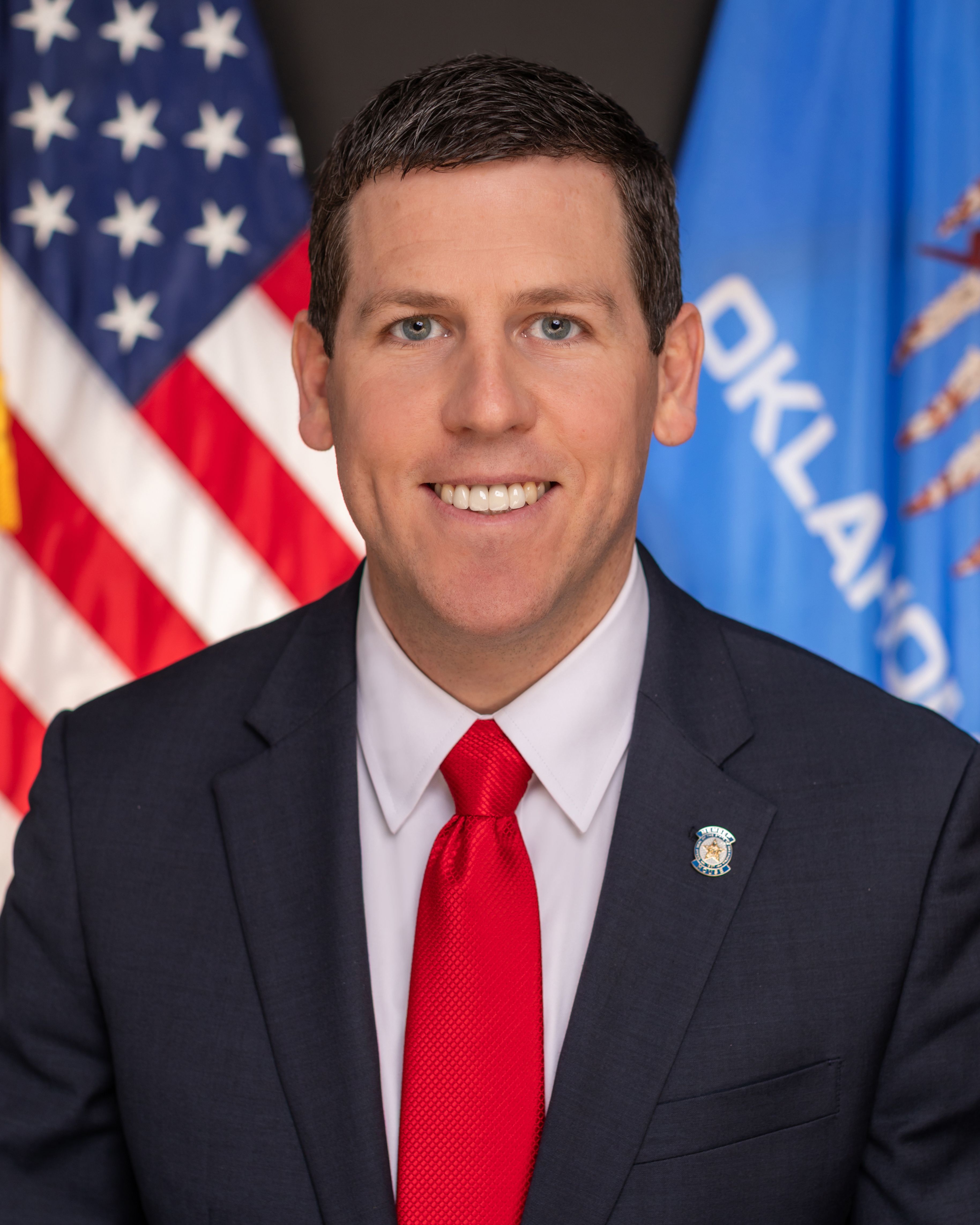
Rep. Rob Hall
Sponsored bills
Maddy summaryHB 4079 is a procedural bill that names the "Public Buildings and Lands Act of 2026" and sets its effective date for November 1, 2026. It does not create new policies or affect specific groups, as it only establishes the act's name and effective date without adding substantive provisions to Oklahoma law. The bill is noncodified, meaning it will not be included in Oklahoma's official statutes. This is a standard administrative measure to formally designate the act, with no direct policy changes or impacts on the public.
Maddy summaryHB 4018 is a procedural bill that formally names Oklahoma's 2026 state budget framework as the "State Budget Act of 2026" and sets its effective date for November 1, 2026. It does not establish specific spending levels or policy changes but creates the official title and implementation timeline for the state's budget process. This bill directly affects the state government's budgeting procedures, not specific programs or citizens. It serves as a foundational document for organizing the 2026 budget cycle, with no substantive policy provisions included in its text.
Maddy summaryThis bill establishes the State Budget Act of 2026, which serves as the official framework for Oklahoma's state budget for that fiscal year. The legislation sets the effective date for the budget at November 1, 2026, when the new fiscal year begins. It designates the document as a noncodified act, meaning it will not be permanently included in the Oklahoma Statutes but will function as a standalone budget resolution. The bill affects state government operations by providing the legal basis for how state funds will be allocated and managed during the 2026 fiscal year.
Maddy summaryHB 4033 establishes the "State Budget Act of 2026" as the official framework for Oklahoma's state budget operations for the fiscal year beginning November 1, 2026. It does not alter funding levels or create new programs, but formally names the budget act and sets its effective date. This procedural bill directly affects state government agencies and departments that implement the annual budget. The bill serves as the administrative foundation for allocating and managing state funds in the 2026 fiscal year.
Maddy summaryThis bill establishes the State Budget Act of 2026, which sets the official name for Oklahoma's 2026 state budget legislation. It designates November 1, 2026 as the effective date when the budget provisions will begin to apply. The bill is procedural in nature, creating a framework for naming and organizing the upcoming state budget without altering specific spending amounts or policies.
Maddy summaryHB 4025 establishes the State Budget Act of 2026, which serves as the official name for Oklahoma's 2026 state budget legislation. The bill sets the effective date for the budget at November 1, 2026, when the new fiscal year begins. This measure does not alter any specific spending amounts or policy provisions, as it only provides the legal framework for naming and timing the budget process. The bill is currently in its early stages and has been referred to the Joint Committee on Appropriations and Budget for further review.
Maddy summaryHJR 1038 proposes three constitutional amendments requiring U.S. citizenship for specific state officials. It would amend Article V (legislators), Article VI (Governor, Lieutenant Governor, and other statewide elected offices), and Article VII (Supreme Court Justices) to explicitly state that these individuals must be U.S. citizens and cannot hold citizenship in any other country. The changes must be approved by voters in a referendum. If passed, U.S. citizenship would become a mandatory requirement for holding these state offices.
Maddy summaryHB 2778 creates the Teacher Recruitment and Retention Program (expiring November 1, 2028) to support child care workers at licensed facilities. It directly affects child care employees who work at least 20 hours weekly and meet income limits: $120,000 annual household income for two-parent households or $60,000 for single-parent households. Key provisions waive co-payments for eligible employees and exempt their income from subsidy program cost-sharing calculations, while requiring providers to notify the Department of Human Services if an employee leaves. The program operates under Oklahoma’s Child Care Subsidy Program rules, with all other eligibility conditions remaining unchanged.
Maddy summaryHB 1751 changes Oklahoma's driver's license and identification card renewal rules. It shortens the renewal period from 16 years to 4 years from the expiration date of the previous license or ID card. The bill removes outdated references to "identification card" in renewal language and clarifies that renewals must occur within 4 years of the prior card's expiration. This directly affects all Oklahoma residents who hold driver's licenses or state ID cards. The changes took effect after the bill was passed and veto overridden on May 29, 2025.