

Maddy summaryHB 4223 is a procedural bill that establishes the name "Business and Economic Development Act of 2026" for future economic development legislation and sets its effective date as November 1, 2026. The bill explicitly states it will not be codified into the Oklahoma Statutes. It does not create new programs, change existing laws, or directly affect any individuals or businesses. This is a naming and procedural measure with no substantive policy provisions.
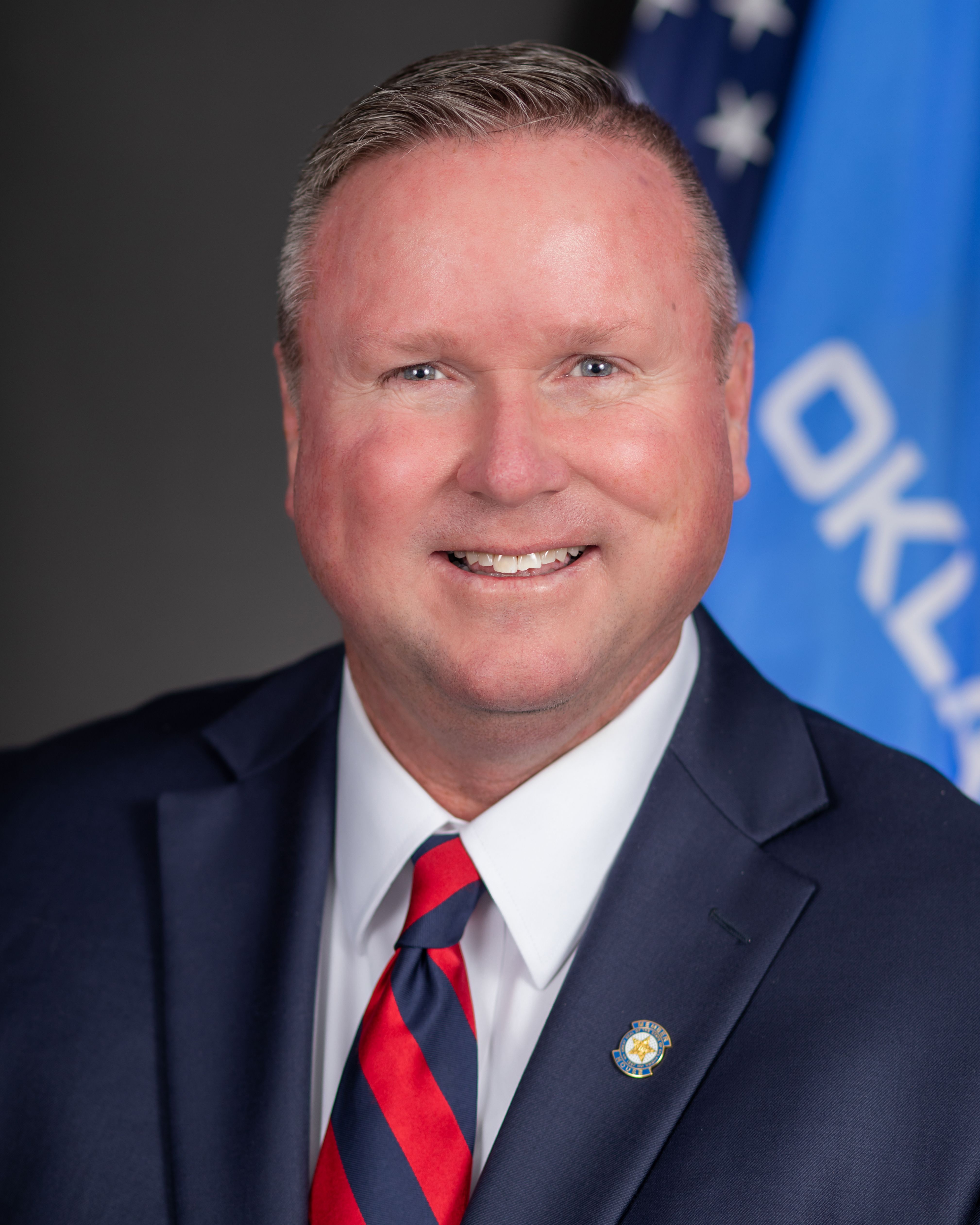
Rep. Clay Staires
Sponsored bills
Maddy summaryHB 4220 is a procedural bill that names the "Centralized Reporting Act of 2026" and sets its effective date as November 1, 2026. The bill contains no substantive policy provisions or mechanisms for reporting requirements. It solely establishes the act's name and effective date without describing any specific reporting system, affected entities, or operational details. As a naming and effective date bill, it does not create new obligations or directly affect any individuals or organizations.
Maddy summaryHB 4217 names the "Aircraft and Airports Modernization Act of 2026" and sets its effective date for November 1, 2026. The bill contains no substantive policy provisions or mechanisms; it solely establishes the act's title and effective date. It does not create new requirements, funding, or changes to existing law. This is a purely procedural bill with no direct impact on citizens, airports, or aircraft operations.
Maddy summaryHB 4218 establishes the "Aircraft and Airports Efficiency Act of 2026" as a procedural bill with no substantive policy changes. It specifies the act will not be codified in Oklahoma Statutes and takes effect on November 1, 2026. The bill primarily serves to formally name the legislation and set its implementation date. It directly affects state administrative processes related to aircraft and airports but does not alter existing laws or create new requirements.
Maddy summarySB 1515 prohibits large financial institutions (those with over $100 billion in assets or transaction volume) from refusing, restricting, or terminating financial services based on a customer's exercise of protected activities. These include religious practices, political speech, refusal to disclose political contributions, environmental choices, diversity initiatives, or business associations (like with gun or fossil fuel industries). The bill requires institutions to provide written reasons for service denials within 14 days and amends Oklahoma’s Consumer Protection Act to allow customers to seek civil penalties of $10,000 per violation, or up to $30,000 if willful. It directly affects major banks and payment processors operating in Oklahoma and aims to prevent discrimination tied to constitutionally protected conduct.
Maddy summarySB 135 modifies Oklahoma's Aircraft Engine Testing Development Grant Program to include rocket engine testing and expands its purpose to develop broader aerospace infrastructure. The bill creates a dedicated revolving fund (the "Oklahoma Aircraft and Rocket Engine Testing Development Grant Program Revolving Fund") and appropriates $20 million from the General Revenue Fund for fiscal year 2026 to fund one-time grants. Eligible applicants - private, public, or nonprofit entities within Oklahoma - must provide 40% matching funds, industry support documentation, and detailed project proposals. Grants require repayment if terms aren't met and mandate quarterly progress reports. The law became effective July 1, 2025, without gubernatorial signature.
Maddy summarySB 135 renames Oklahoma's Aircraft Engine Testing Grant Program to include rocket engine testing and expands its purpose to support both aircraft and rocket engine testing infrastructure development. The bill creates a dedicated revolving fund in the State Treasury, which will receive $20 million from the General Revenue Fund for fiscal year 2026 to fund these grants. Private companies, public entities, and nonprofits in Oklahoma with matching funds and industry support can apply for one-time grants to expand testing capabilities, with repayment required if project terms aren't met. The program aims to strengthen Oklahoma's aerospace and space propulsion industry through targeted financial assistance.
Maddy summaryHB 2590 requires Oklahoma's Office of Management and Enterprise Services to create a standardized form for state agencies evaluating vendors managing federal funds. This form must include specific vendor details like legal name, incorporation jurisdiction, principal officers' names, prior federal fund management experience, recent financial audits, and pending lawsuits. It directly affects state agencies contracting with external vendors for federal fund management. The bill mandates this form be used starting July 1, 2025, to standardize vendor vetting processes.
Maddy summaryHB 2590 requires the Office of Management and Enterprise Services (OMES) to develop a standardized form for use by state executive branch entities. This form will be used to evaluate prospective vendors for contracts involving the management of federal funds. Vendors seeking such contracts must provide specific details, including their legal name, principal officers, prior experience managing federal funds, their most recent financial audit, and any pending civil lawsuits. The bill aims to ensure consistent evaluation criteria for these specific types of contracts.
Maddy summaryHB 1958 allows large Oklahoma school districts (those with over 15,000 average daily students or 100,000+ population) to submit a sworn affidavit instead of full meeting minutes to the State Department of Education for approved actions. The affidavit must include the district name, meeting date, agenda item, summary of the action, and signatures from the superintendent and board chair. This replaces the requirement to submit formal minutes for specific decisions, though districts must still maintain actual meeting minutes per existing law. The bill takes effect November 1, 2025, and directly affects administrative processes for larger school boards.