

Maddy summaryHB 2779 redirects $750,000 in existing funds from the Oklahoma Department of Public Safety to the School Secure Program, which was previously managed by the State Board of Education. This transfer specifically funds school safety initiatives under the program, directly affecting schools participating in the School Secure Program. The funds must be used for this purpose starting July 1, 2025, as specified in the bill. The legislation became law on May 29, 2025, without the Governor's signature.
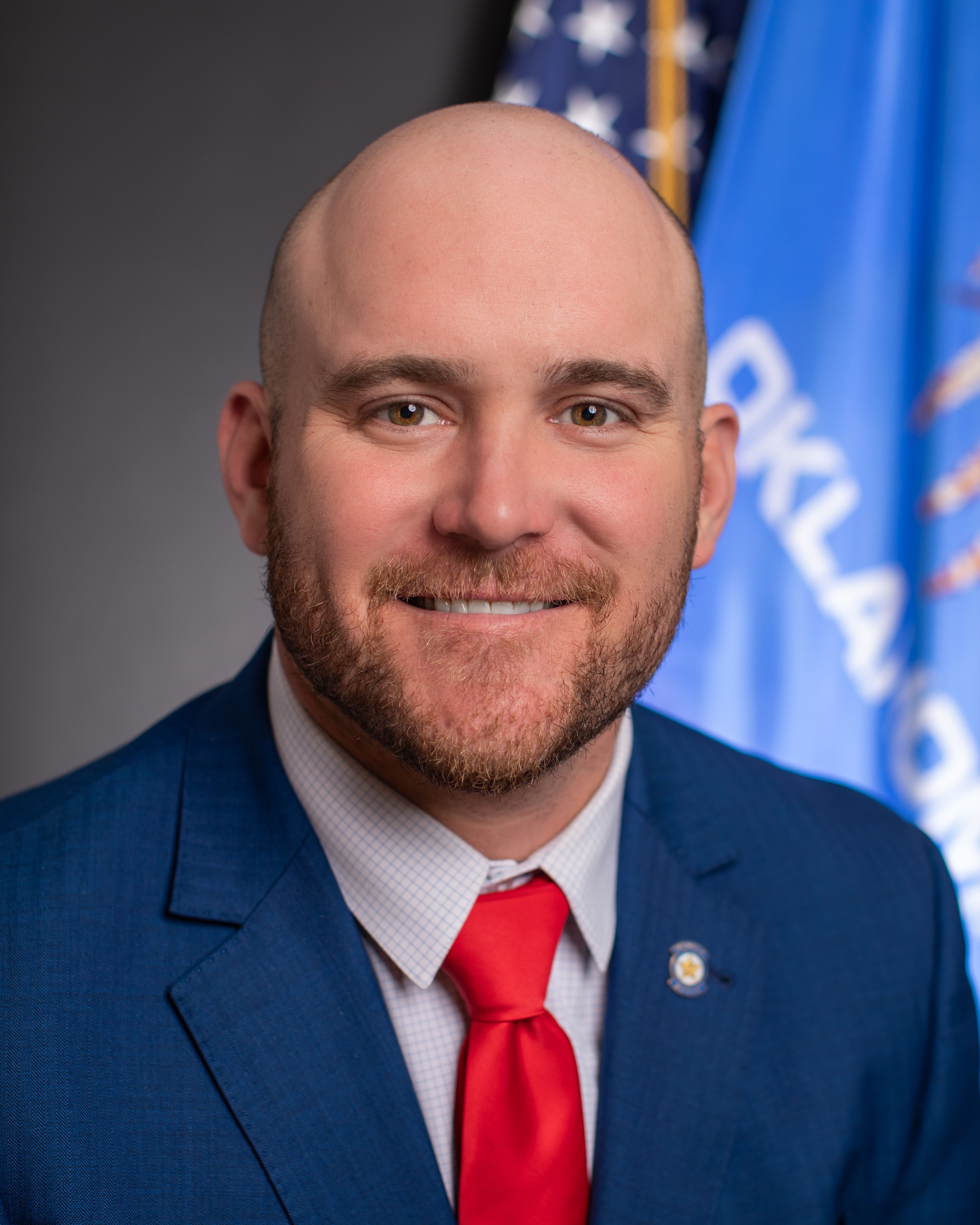
Rep. Trey Caldwell
Sponsored bills
Maddy summaryHB 2791 appropriates $195,000, $328,000, and $5,000,000 from Oklahoma's Statewide Recovery Fund to the Department of Human Services (DHS) for increased costs of three specific projects funded under previous legislation (HB 2884). The bill creates special accounts for these funds in the state treasury, lasting only as long as American Rescue Plan Act 2021 funds remain active, with no fiscal year limits. DHS must use funds strictly for designated projects, retain no more than 2% for administrative costs, and submit quarterly reports to the Joint Committee on Pandemic Relief Funding detailing fund usage and related contracts. The bill also requires DHS to appear before the committee upon request to update on implementation.
Maddy summaryHB 2784 creates the Emergency Medicine Revolving Fund to manage Medicaid supplemental payments for qualifying trauma centers. It directly affects Level 1 trauma centers operated by the Oklahoma State University Medical Trust or affiliated entities, particularly in Oklahoma City and Tulsa, and providers at OSU medical schools. The bill requires annual certification by the Medical Authority to ensure these facilities meet standards for continued Medicaid payments. Key provisions include amending Medicaid payment rules to preserve existing supplemental funding for trauma centers and teaching hospitals, while establishing clear accountability for fund usage and reporting to the Health Care Authority.
Maddy summaryHB 2797 prohibits Oklahoma's Health Care Authority (OHCA) from using statistical methods like extrapolation or sampling to audit Medicaid home and community-based services claims, which could require providers to repay excess funds. It invalidates all past audits using these methods (January 2020-November 2025) and voids related repayment demands or penalties. The bill requires OHCA and the Department of Human Services to jointly develop new audit standards and create a training program for providers by November 1, 2027. This law directly affects Medicaid providers of home and community-based services by changing how their claims are reviewed and audited.
Maddy summaryHB 2776 authorizes the Oklahoma Capitol Improvement Authority to use $70 million from the Legacy Capital Fund for repairs to the Jim Thorpe Office Building, $19 million for tunnels under the State Capitol Complex, and $45.3 million for renovating the Kelley Building (transferred from the Department of Human Services) into a day care facility. The funds are specifically allocated to the Office of Management and Enterprise Services for these infrastructure projects. The bill amends existing law to increase the authorized amounts for these projects and allows phased fund distribution. This legislation, enacted without the Governor's signature on May 29, 2025, directly affects state-owned buildings and facilities managed by the Office of Management and Enterprise Services.
Maddy summaryHB 2777 allocates $20 million from Oklahoma's opioid lawsuit settlement fund to the Opioid Abatement Revolving Fund for opioid prevention and treatment programs, and $1.25 million directly to local governments that did not join opioid lawsuits. The funds are designated for use in addressing the opioid crisis through established state programs. The bill takes effect July 1, 2025, and was enacted without gubernatorial signature on May 29, 2025. It directs existing settlement money to specific uses without creating new programs or requirements.
Maddy summaryHB 2794 appropriates $5 million from the Progressing Rural Economic Prosperity Fund to fund a municipal park in a county with over 750,000 residents (per the 2020 Census), located north of I-344 and west of I-35. It also allocates $4 million to relocate a naval submarine east of State Highway 165 and north of State Highway 62, and $1.8 million for infrastructure improvements at an industrial park south of State Highway 62 and east of State Highway 283. The bill directs the Oklahoma Department of Commerce to manage these specific projects using unallocated funds from the designated economic prosperity fund. It becomes effective July 1, 2025, following its passage without governor approval on May 29, 2025.
Maddy summarySB 1136 appropriates $100,000 from unallocated General Revenue funds to the Oklahoma Health Care Authority for its existing legal duties. The bill specifies that these funds must be used for purposes already required by law, without defining new programs or services. It does not create new obligations or directly affect specific individuals or organizations beyond the Authority's current operations. The legislation was enacted without the Governor's signature on May 29, 2025, and focuses solely on funding allocation.
Maddy summarySB 1152 appropriates $100,000 from the General Revenue Fund to the Oklahoma Department of Agriculture, Food, and Forestry for constructing new state park facilities. The bill directly affects the department, which will use the funds to carry out this specific construction project during the 2025-2026 fiscal year. It includes an emergency declaration to allow immediate implementation upon enactment. The legislation focuses solely on funding allocation, not policy changes, and became law without the governor's signature on May 29, 2025.
Maddy summarySB 1126 appropriates $100,000 from unallocated General Revenue funds to the Oklahoma State Board of Education for its statutory duties. The bill designates this as an emergency measure to take immediate effect upon enactment, bypassing standard implementation timelines. It does not create new programs or alter education policy, but simply sets aside a small, specific sum for the state education agency's existing responsibilities. The bill became law on May 29, 2025, without gubernatorial action.