

Maddy summaryHB 1765 is a procedural bill that establishes the name "Corporation Commission Modernization Act of 2025" for administrative purposes. It contains no substantive policy changes or new regulations, as it only designates the bill's title and sets an effective date of November 1, 2025. The bill directly affects the Corporation Commission's internal naming but does not alter its authority, duties, or impact any specific businesses or residents. No key mechanisms or provisions are created beyond this naming convention. This is a non-substantive procedural measure, not a policy change.
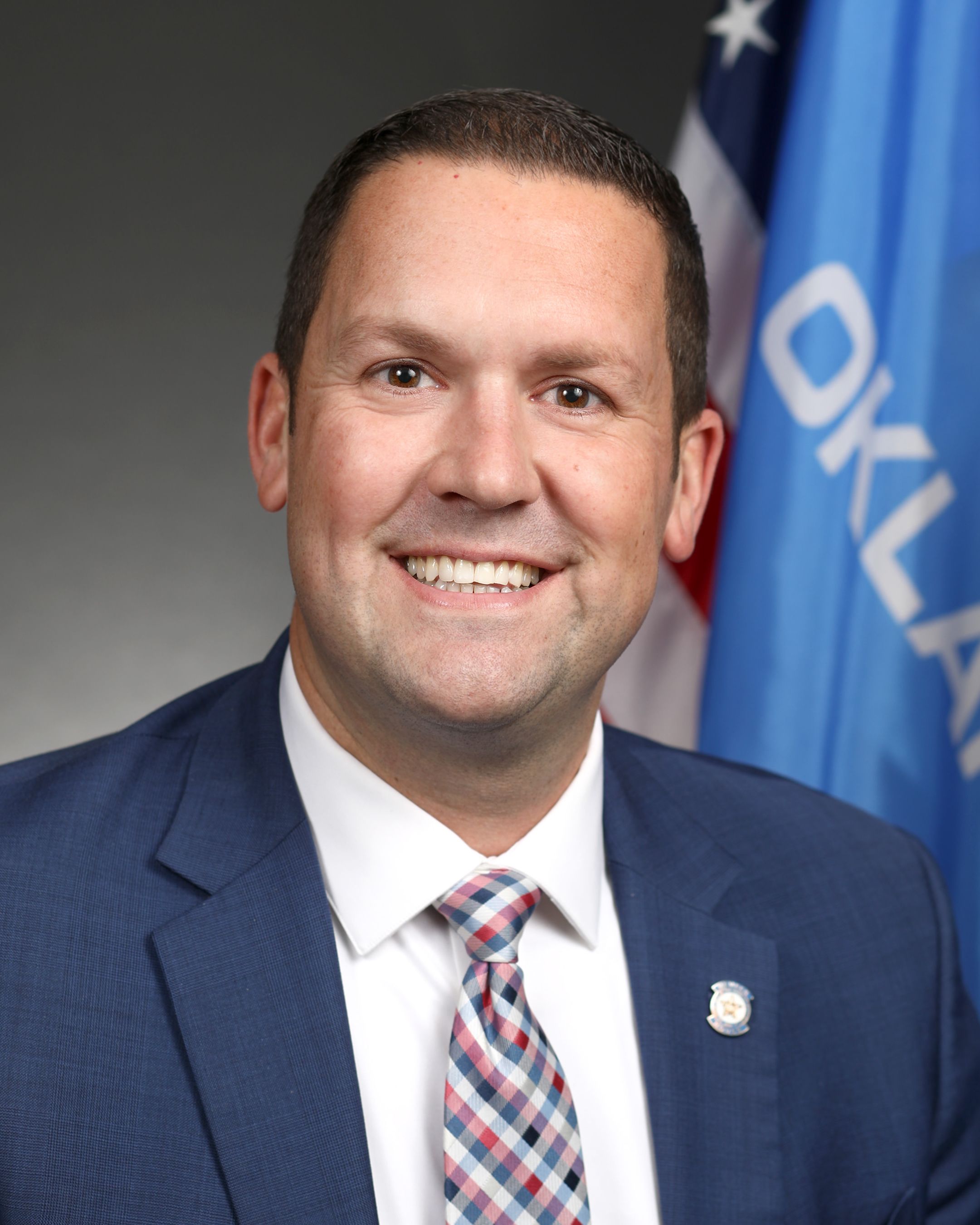
Rep. Anthony Moore
Sponsored bills
Maddy summaryHB 1772 restricts Oklahoma's Medicaid program from contracting with out-of-state medical providers for in-person medical treatments that can be provided by Oklahoma-licensed providers. It defines "treatment" as requiring the patient's physical presence and direct care from a provider, excluding remote services like lab analysis. The Oklahoma Health Care Authority must seek federal approval to implement this change, which takes effect November 1, 2025. This bill directly affects Medicaid patients seeking in-person care and the state's Medicaid contracting process.
Maddy summaryHB 1747 amends Oklahoma's Higher Learning Access Program (OKHAP) to prohibit funding for students reenrolling in courses they previously failed. Starting with the 2025-2026 academic year, OKHAP awards will no longer cover tuition for courses students must retake after failing them. The bill directly affects OKHAP recipients who need to repeat failed coursework, removing financial support for those reenrollments. This change aims to ensure program funds are used for courses leading toward degree completion, not repeated attempts at previously failed material.
Maddy summaryHB 1768 allows hunters with a primitive firearm license to use specific handguns during the primitive (muzzleloading) firearm deer hunting season in Oklahoma. The bill requires the Oklahoma Wildlife Conservation Commission to include modern handguns chambered in .38 Special +P caliber or larger in the list of legally permitted weapons for this season. This change directly affects licensed hunters who currently rely on muzzleloaders, expanding their allowed equipment to include certain handguns. The bill takes effect on November 1, 2025, and modifies existing regulations governing hunting methods.
Maddy summaryHB 1735 allows courts to consider past domestic violence incidents when a defendant faces new charges involving domestic violence or abuse. Prosecutors must disclose evidence of prior incidents to the defense at least 15 days before trial. The law applies to all domestic violence cases, including psychological, physical, or emotional abuse against current partners or household members. It ensures defendants have time to prepare their defense while maintaining existing legal standards for evidence.
Maddy summaryHB 1757 establishes the "Department of Human Services Oversight Board" for Oklahoma's Department of Human Services and sets its effective date. The bill names the board and specifies it will take effect on November 1, 2025. It does not detail the board's composition, duties, or oversight mechanisms, as it is solely procedural in nature. The bill will not be codified in the Oklahoma Statutes. This is a naming and effective date provision, not a substantive policy change.
Maddy summaryHB 1770 mandates a comprehensive study of elk populations in Oklahoma's Special Northwest Zone (covering Woodward, Dewey, Ellis counties, and part of Roger Mills County) by the Oklahoma State University Veterinary Medicine Authority. The study, due by November 1, 2025, must assess elk population size, health, habitat use, current management strategies (like hunting), and develop science-based conservation recommendations. The Authority may coordinate with state/federal agencies, including temporarily restricting elk hunting during the study, and must maintain financial records for the project. This bill directly affects elk management in the specified region and requires concrete data collection before developing long-term conservation plans.
Maddy summaryHB 1754 amends Oklahoma's education code to clarify definitions for school personnel, including school nurses, athletic trainers, physical therapists, and occupational therapists. The bill requires these staff to hold specific state licenses and certifications, and mandates they receive the same legal protections and benefits as certified teachers. It directly affects school districts and these specialized healthcare professionals employed in Oklahoma schools. The changes take effect November 1, 2025.
Maddy summaryThis bill, known as the Civil Procedure Reform Act of 2025, establishes a new legal framework for civil cases in Oklahoma but does not include specific changes to court rules or procedures. The legislation primarily serves to formally name and cite the act for future reference rather than implementing substantive policy modifications. It will take effect on November 1, 2025, and applies to all civil proceedings within the state's court system. The bill does not alter existing laws or create new obligations for individuals, businesses, or government entities.
Maddy summaryHB 1733 modifies Oklahoma's sales tax apportionment to allocate specific portions of tax revenue to tourism-related funds. It directs 0.87% of sales tax revenues (for fiscal years 2022-2025) to three funds: 24% to the Oklahoma Tourism Promotion Revolving Fund (capped at $5 million annually), 44% to the Oklahoma Tourism Capital Improvement Revolving Fund (capped at $9 million), and 32% to the Oklahoma Route 66 Commission Revolving Fund (capped at $6.6 million). For fiscal years 2026 onward, it shifts to a 1% allocation with $6.6 million prioritized for Route 66, then 36% to Tourism Promotion and 64% to Tourism Capital. The bill directly affects these three state tourism funds by changing their revenue apportionment limits and percentages.