

Maddy summaryThis resolution expresses the Oklahoma House of Representatives' support for the state's application to the U.S. Department of Energy to establish a Nuclear Lifecycle Innovation Campus in Oklahoma. It encourages federal officials to consider the application favorably and affirms the state's commitment to advancing nuclear technology development. The document also directs copies of the resolution to state and federal officials, including the Governor, congressional delegation, and the Department of Energy.
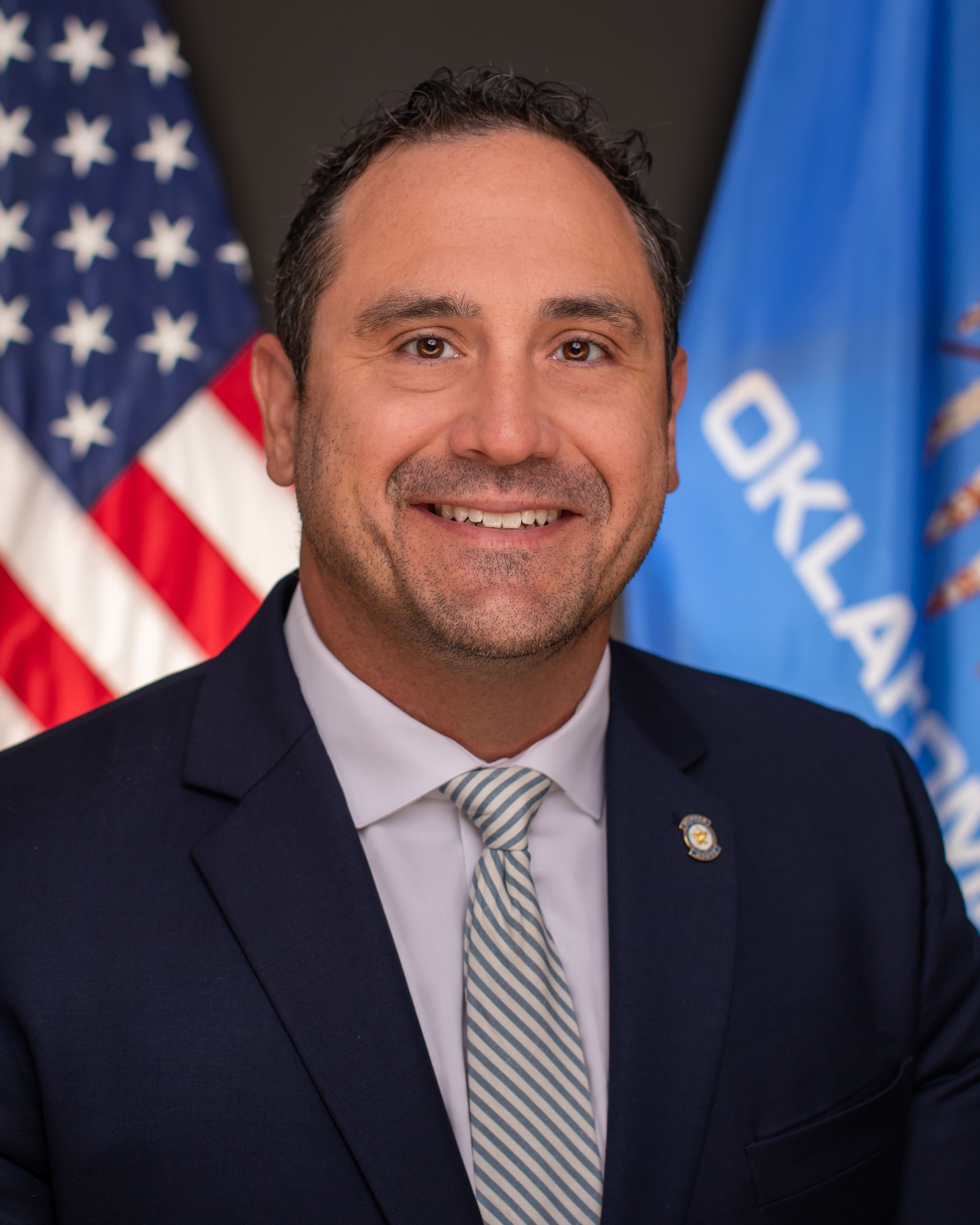
Rep. Nick Archer
Sponsored bills
Maddy summaryHB 3178 changes how farm equipment and tractors are valued for property tax in Oklahoma. It requires county assessors to apply a specific 25% annual depreciation schedule: 75% of original cost in year one, 50% in year two, 25% in year three, and zero value from year four onward. This applies to equipment used in agricultural production on farms owned, leased, or operated by the owner. The bill affects Oklahoma farmers who own qualifying equipment by reducing their property tax burden after three years. It takes effect January 1, 2027.
Maddy summarySB 1929 requires utility companies that own high-voltage electric transmission lines (over 300 kilovolts) to pay landowners $2 per linear foot annually for lines passing over their property. This directly affects landowners whose land is crossed by such transmission lines and the utility companies operating them. The bill establishes this annual payment as a new requirement under Oklahoma law, effective November 1, 2026. It does not change existing utility rates or require new infrastructure, only creating a payment obligation for specific existing transmission corridors.
Maddy summarySB 1870 amends Oklahoma law to allow municipalities participating in the Oklahoma Public Employees Retirement System (OPERS) to enter into specific trust agreements. This change explicitly permits such agreements, which were not previously covered under the statute, for purposes related to managing retirement system operations. The bill does not alter retirement benefits, contribution rates, or funding formulas but provides municipalities with a new administrative tool for retirement system management. It directly affects all Oklahoma municipalities currently enrolled in OPERS.
Maddy summarySB 1329 requires Medicaid providers in Oklahoma to screen women for postpartum depression during any in-person visit with a Medicaid member or her infant within one year after childbirth. This screening must be reimbursed under the state Medicaid program, directly affecting Medicaid providers and pregnant/postpartum women enrolled in Medicaid. The bill mandates the Oklahoma Health Care Authority to seek necessary federal approval and develop implementing rules. It becomes effective November 1, 2026, aiming to integrate mental health checks into routine postpartum care.
Maddy summaryOklahoma Senate Bill 1074 creates a new "commercial harvesting facility license" for businesses operating hunting facilities that profit from legally acquired cervidae (like deer, elk, and exotic species), turkey, or hybrids. It requires these facilities to obtain a $300 annual license from the Oklahoma Department of Agriculture, prove animals were not sourced from wild populations, and undergo inspections. The bill updates existing laws by replacing "commercial hunting area" licenses with this new license structure, effective July 2025, and mandates facilities to maintain inventories of animals. It directly affects commercial hunting operations seeking to sell or barter hunted animals for profit.
Maddy summaryHB 3179 bans the sale, distribution, or offer for sale of cultivated meat (meat grown from animal cells in a lab) in Oklahoma. It makes violations a misdemeanor and allows the Oklahoma State Department of Health to suspend or revoke food sellers' licenses for selling cultivated meat. The bill exempts research by government entities, colleges, or their partners with formal agreements. It takes effect November 1, 2026, and does not affect existing food safety rules for conventional meat.
Maddy summaryHB 3174, the "Community Quality of Life Enhancement Act," would create a revolving fund using $60 million annually from Oklahoma's sales tax revenue. Local communities must establish a board to apply for funds to support infrastructure, parks, public transportation, cultural centers, public art, and environmental projects. The Oklahoma Department of Commerce would manage the fund and distribute allocations to qualifying communities. This bill amends sales tax apportionment rules to prioritize this fund after other state budget allocations.
Maddy summaryHB 3184 is a procedural bill that names the "Energy Reform Act of 2026" and sets its effective date as November 1, 2026. The bill text provides no substantive policy changes, mechanisms, or affected parties beyond establishing the act's name and effective date. It does not describe any specific energy reforms, regulations, or program provisions. As introduced, this bill serves only to formally name the future legislation and schedule its implementation. No further details about the act's content are included in the provided text.
Maddy summaryHB 3190 is a procedural bill that establishes the "Oklahoma Eminent Domain Act of 2026" as a non-codified section of law and sets its effective date for November 1, 2026. It does not change existing eminent domain procedures or directly affect property owners or government entities. The bill solely names the act and specifies its implementation date without altering substantive legal requirements. As a naming resolution, it has no policy impact beyond formal designation.