

Maddy summarySB 299 modifies how Oklahoma calculates taxable income for businesses by changing the rules for net operating loss (NOL) deductions. It specifically adjusts how businesses can carry forward or back federal NOLs to offset Oklahoma taxable income, creating a separate "Oklahoma net operating loss" for state tax purposes. For tax years beginning after December 31, 2007, and ending before January 1, 2009, the bill limits NOL carrybacks to two years. This bill directly affects businesses with federal NOLs operating in Oklahoma, altering their state tax calculations without changing tax rates or exemptions.
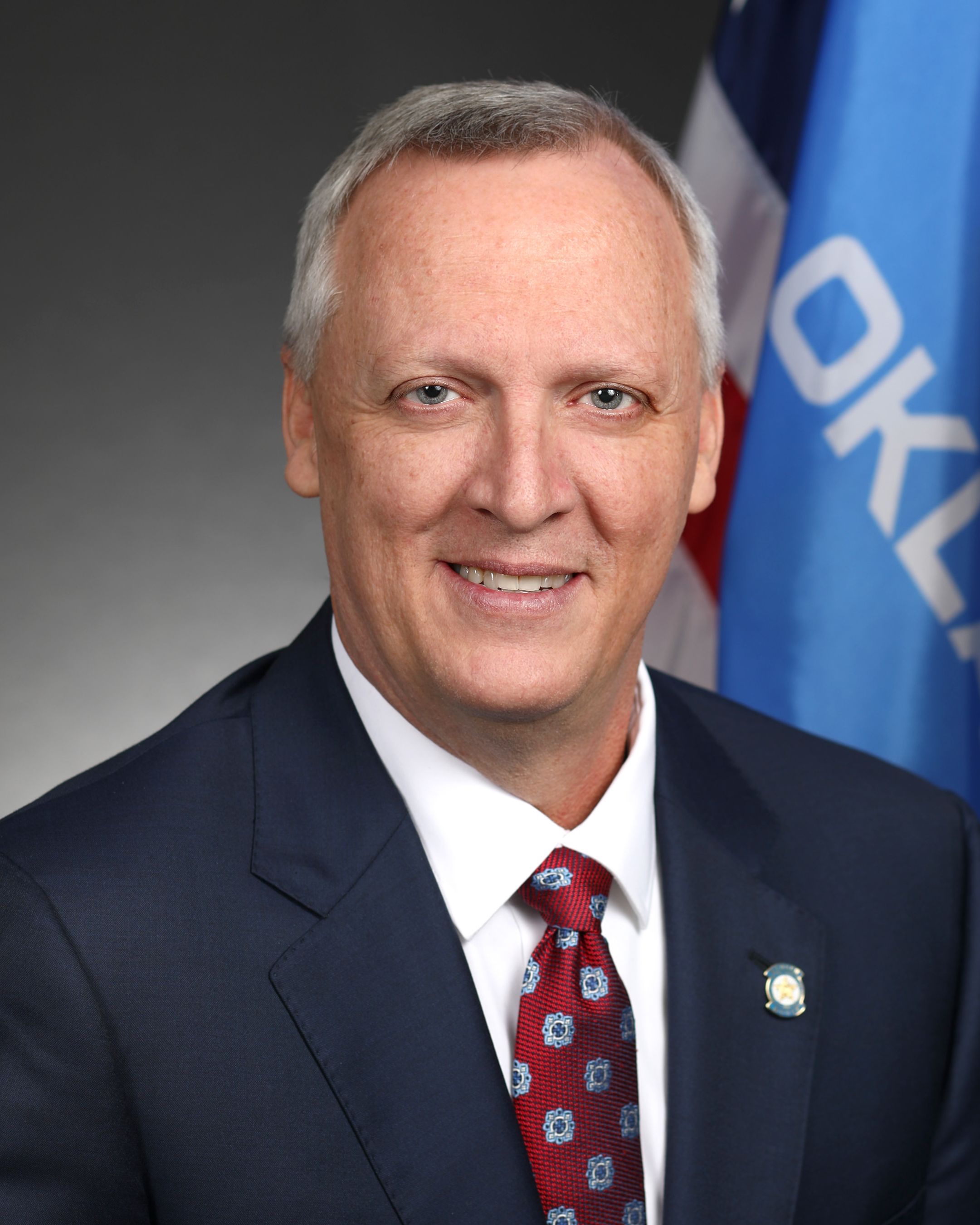
Rep. Gerrid Kendrix
Sponsored bills
Maddy summaryHB 1030 extends the existence of Oklahoma's State Board of Cosmetology and Barbering until July 1, 2025, by re-creating the board under the Oklahoma Sunset Law. The bill specifies that the 11-member board - appointed by the governor - must include representation from each congressional district, with members required to have specific professional experience in cosmetology or barbering. Key provisions include membership qualifications (e.g., 5+ years’ experience, active practice), restrictions on board affiliations, and operational rules like annual reporting and meeting schedules. This procedural bill does not change the board’s regulatory functions but ensures its continued operation.
Maddy summaryHB 1029 extends the sunset date for Oklahoma's Funeral Board from July 1, 2024, to July 1, 2025, ensuring the board continues operating under the Oklahoma Sunset Law. The bill re-establishes the seven-member board, requiring five members to be licensed funeral directors/embalmers with seven years of active practice, and two public members (one from healthcare) with no funeral industry ties. This directly affects funeral service professionals, licensing regulations, and the governance structure of the Oklahoma Funeral Board. The change is procedural, maintaining the board's current composition and responsibilities without altering its operational rules.
Maddy summarySB 897 extends the termination date of Oklahoma's Corporation Commission Plugging Fund from July 1, 2026, to July 1, 2036, ensuring continued funding for plugging abandoned oil and gas wells. The fund must be maintained at $5 million; if it drops below this level, the state will impose additional excise taxes on oil and gas producers until the fund is restored. This bill directly affects oil and gas producers who pay the excise taxes and the Corporation Commission, which manages the fund for environmental cleanup. The law becomes effective November 1, 2025.
Maddy summaryHB 2736 updates Oklahoma's requirements for Certified Public Accountant (CPA) licensure. It mandates that applicants complete at least 120 semester hours of college education (including 24 hours in advanced accounting courses with at least one in auditing) and pass a national criminal history check, with costs paid by the applicant. The bill also specifies that applicants must demonstrate "good character" by having no felony convictions. These provisions apply directly to individuals seeking CPA certification in Oklahoma and take effect November 1, 2025.
Maddy summarySB 391 extends the Opioid Overdose Fatality Review Board's existence until July 1, 2026 (correcting the bill title's "dissolving" error), requiring it to review opioid overdose cases involving adults. The Board gathers confidential records from medical examiners, hospitals, law enforcement, and other agencies to identify systemic issues in medical or law enforcement responses, then makes recommendations for improvement. All case discussions and recommendations remain confidential and privileged, not admissible in court, while the Board must publish an annual public report by February 1 detailing its findings and system coordination. This directly affects state agencies (like mental health services, law enforcement, and medical examiners) and ensures public transparency through annual reports.
Maddy summarySB 396 extends the expiration date for Oklahoma's Board of Licensed Alcohol and Drug Counselors from July 1, 2025, to July 1, 2026. This change ensures the existing board, which oversees alcohol and drug counseling licensure, continues operating without interruption. The bill updates the statutory sunset date in state law but does not alter the board's composition, membership requirements, or operational rules. It directly affects the board members, licensed counselors, and the oversight of substance abuse counseling services in Oklahoma.
Maddy summarySB 536 amends Oklahoma election law to clarify when an assistant secretary can act for a county election board secretary. It requires county boards to notify the State Election Board when appointing an assistant secretary and authorizes the assistant secretary to perform the secretary’s duties during absences (e.g., illness) or vacancies (e.g., death, resignation), with written approval from the State Election Board Secretary. During these periods, the assistant secretary may also vote at board meetings. The bill also sets salary rules, requiring the assistant secretary’s minimum pay to be 90% of the secretary’s salary.
Maddy summarySB 395 extends the expiration date of the State Board of Examiners of Psychologists from July 1, 2025, to July 1, 2026. This bill directly affects the board, which oversees psychologist licensing in Oklahoma under the Psychologists Licensing Act. The key provision updates the sunset date in state law to allow the board to continue operating for one additional year. The change ensures the board can maintain its current structure - seven members appointed by the Governor (five licensed psychologists and two laypeople) - without interruption until 2026. The bill became law on May 14, 2025, without requiring the Governor's signature.
Maddy summarySB 394 extends the expiration date of Oklahoma's State Anatomical Board from July 1, 2025, to July 1, 2026, ensuring its continued operation. The bill updates statutory references and language related to the Board's oversight of anatomical donor programs and tissue banks. It does not change the Board's duties or create new requirements, only delaying its sunset date. The bill takes effect July 1, 2025, and was enacted without gubernatorial signature on May 14, 2025.