

Maddy summaryThis bill extends the operation of Oklahoma's State Board of Cosmetology and Barbering until July 1, 2025, by re-creating the board under the Oklahoma Sunset Law. The board consists of 11 members appointed by the Governor, including one barber appointed at-large, with specific requirements such as 5 years of practical experience in cosmetology or barbering and residency in Oklahoma. It mandates representation from each congressional district (with adjustments for redistricting) and sets qualifications like high school graduation and age 25+. This directly affects cosmetology and barbering professionals regulated by the board, as it ensures continued oversight of licensing and standards.
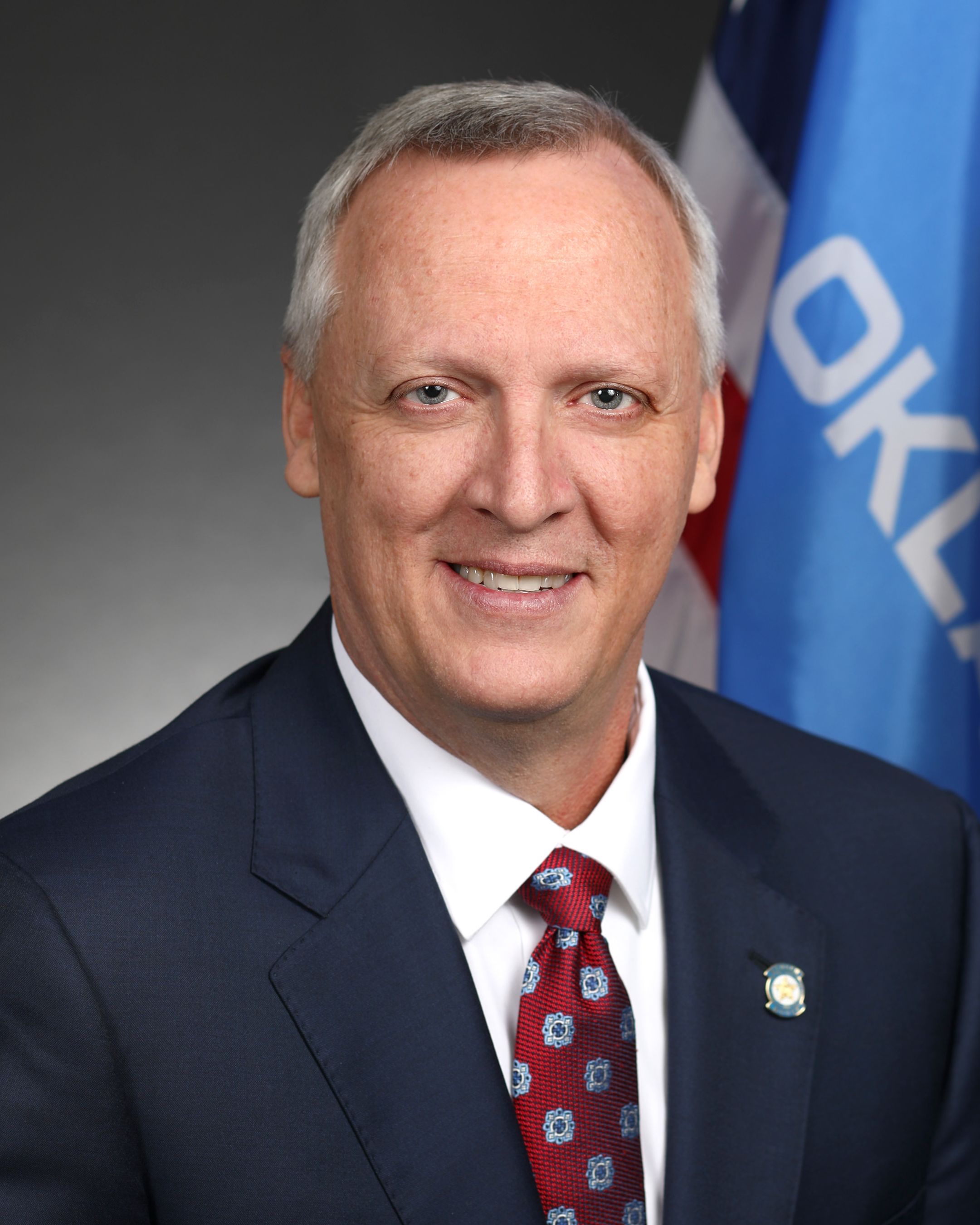
Rep. Gerrid Kendrix
Sponsored bills
Maddy summaryHB 2731 amends Oklahoma's Administrative Procedures Act to change the deadline for submitting rules to the Legislature from April 1 to February 1 each year. State agencies must now submit rules by February 1 to be considered through the standard legislative process; if not, the Governor can approve or reject them by publishing a declaration in "The Oklahoma Register" by July 17. This law affects state agencies creating administrative rules and clarifies the Governor's authority over rule approval timelines, becoming effective November 1, 2025.
Maddy summaryHouse Bill 2731 amends Oklahoma's Administrative Procedures Act, which outlines the process for state agencies to create and implement rules. This bill changes a specific deadline related to how the Governor can approve or disapprove administrative rules. It moves the date by which proposed rules must be received from April 1 to February 1 for the Governor to act on them if the Legislature has not passed a joint resolution. This adjustment affects the timeline for state agencies submitting rules and for the legislative and gubernatorial review process.
Maddy summarySB 283 expands the annual transaction limit for Oklahoma's master lease program, which allows public higher education institutions to lease equipment and facilities without upfront costs. The bill specifically adds certain refunded lease projects to the annual limit calculation, enabling institutions to count these previously settled transactions toward their yearly cap. This change affects Oklahoma's public universities and colleges that use the master lease program for facility and equipment financing. The amendment updates Section 3206.6a of Title 70 of the Oklahoma Statutes and sets an effective date for implementation.
Maddy summarySB 283 amends Oklahoma's higher education lease financing program to expand the annual transaction limit, specifically allowing projects that were previously refunded to count toward this limit. This change directly affects Oklahoma public colleges and universities using the master lease program for facility financing, enabling them to include these refunded projects in their annual lease transaction calculations. The key provision updates Section 3206.6a of Title 70 Oklahoma Statutes to remove restrictions on previously refunded projects within the program's annual cap. This adjustment streamlines the process for institutions seeking to redevelop or replace existing leased facilities without exceeding the annual financial limit. The bill does not change funding levels or create new requirements, only clarifying eligibility for certain lease transactions.
Maddy summaryHB 1031 extends the expiration date of the Oklahoma Energy Resources Board from July 1, 2025, to July 1, 2026. The bill directly affects the Board, which coordinates public education about Oklahoma's oil and natural gas industry, promotes efficient energy use, and addresses historical environmental issues from oilfields. This procedural change keeps the Board operational for one additional year under the Oklahoma Sunset Law, without altering its existing responsibilities or creating new policies. The bill became law on April 29, 2025, without a governor's signature.
Maddy summaryHB 1032 extends the termination date of Oklahoma's State Board of Medical Licensure and Supervision from July 1, 2025, to July 1, 2026, under the state's Sunset Law. This procedural bill directly affects the board, which oversees medical licensing and discipline for physicians in Oklahoma. The bill re-creates the existing seven-physician and four-lay-member board structure but only delays its automatic termination by one year. No new policies or operational changes are introduced; it solely adjusts the sunset timeline.
Maddy summaryHB 1035 extends the expiration date of the Capitol-Medical Center Improvement and Zoning Commission from July 1, 2025, to July 1, 2026, under Oklahoma's Sunset Law. This procedural bill does not change the commission's structure, membership, or duties - it only delays the commission's automatic termination. The commission, composed of 11 members including state officials and city planning representatives, continues to oversee zoning and development in Oklahoma City's Capitol-Medical Center area. The bill became law without the Governor's signature on April 29, 2025.
Maddy summaryHB 1033 extends the expiration date of the State Board of Veterinary Medical Examiners from July 1, 2025, to July 1, 2026, under Oklahoma's Sunset Law. The bill ensures the board continues operating to regulate veterinary practice, enforce the Oklahoma Veterinary Practice Act, and protect public health and safety. This routine procedural update affects the board's administrative timeline but does not change its regulatory responsibilities or the requirements for veterinary practitioners. The bill became law on April 29, 2025, without the Governor's signature.
Maddy summaryHB 1033 extends the operational deadline for Oklahoma's State Board of Veterinary Medical Examiners from July 1, 2025, to July 1, 2026, under the state's Sunset Law. This procedural bill ensures the Board continues regulating veterinary medicine practice without interruption. The Board oversees licensing, enforcement of veterinary practice laws, and public safety standards for veterinarians. The extension directly affects the Board's ability to maintain oversight of veterinary professionals across Oklahoma. No new regulations or fees are created; the bill solely delays the Board's termination date.