

Maddy summaryHB 1417 creates the "School Access for Emergency Response Act" (SAFER Act), establishing a grant program through the Oklahoma State Department of Education to fund public school districts and brick-and-mortar charter schools. The bill provides grants for interoperable communication hardware, software, maintenance, and training, enabling school safety teams to directly communicate with first responders during emergencies. Key requirements include adopting FEMA’s Incident Command System (ICS) protocols and training staff using FEMA’s IS-0100.c standards. The program aims to improve emergency response coordination by ensuring schools and emergency services can share real-time communication systems.
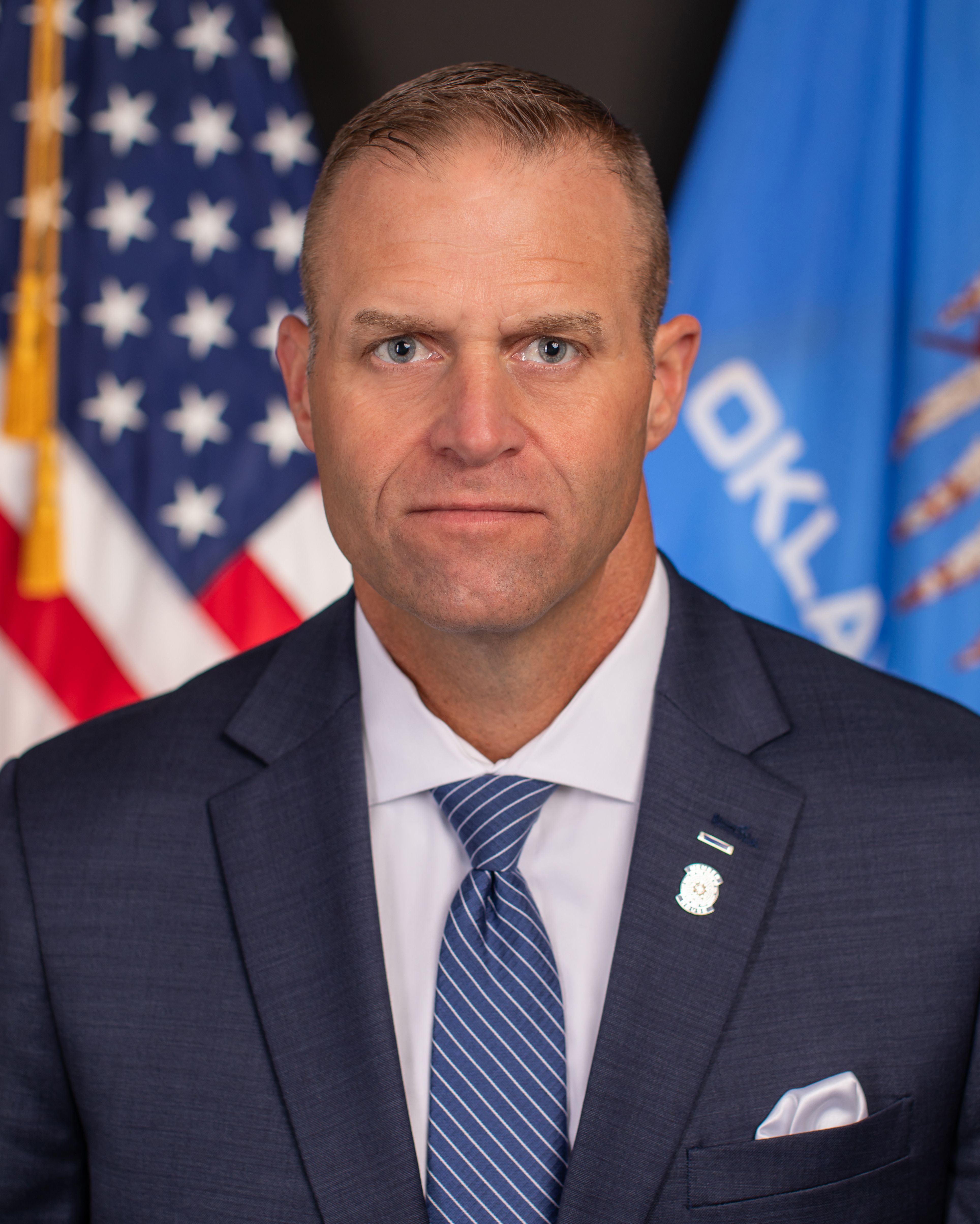
Rep. Josh West
Sponsored bills
Maddy summaryHouse Bill 1417, also known as the School Access For Emergency Response Act (SAFER Act), establishes a new grant program within the State Department of Education. This program provides funding to public school districts and brick-and-mortar charter schools in Oklahoma. Schools can use these grants to purchase interoperable communication hardware, software, and maintenance, as well as to deliver training for school safety teams. The aim is to facilitate seamless, real-time communication between school personnel and first responders during emergencies, with training based on the Federal Emergency Management Agency's Incident Command System.
Maddy summaryHB 1420 requires Oklahoma state agencies to reduce owned and leased property by prioritizing the sale of underutilized state-owned assets, eliminating unnecessary leases, and using existing property instead of new construction. It mandates that all state agencies obtain approval from the Office of Management and Enterprise Services before leasing, purchasing, or constructing new property, with proceeds from sales deposited into a dedicated building maintenance fund. The bill also requires annual public reporting on property sales, lease reductions, and fund usage, while exempting agencies like the Oklahoma Department of Transportation and Turnpike Authority from these requirements. This policy directly affects all state agencies (except the exempted entities) by changing how they manage real estate assets and funding for building maintenance.
Maddy summaryHB 1420 requires all Oklahoma state agencies to seek approval from the Office of Management and Enterprise Services before leasing, purchasing, or constructing real property, prioritizing reuse of existing state-owned space. It mandates selling underutilized state-owned property, with proceeds funding the Maintenance of State Buildings Revolving Fund for facility upkeep. Agencies must obtain Oklahoma Historical Society approval before reusing historically significant properties. The law exempts specific entities like the Oklahoma Department of Transportation and Oklahoma Turnpike Authority from these requirements.
Maddy summaryHB 1416 requires insurers offering group health plans for state employees to ensure non-opioid pain medications (approved by the FDA) are not disadvantaged in coverage compared to opioids on their preferred drug lists. It directly affects state employee health insurance plans by mandating equal treatment for FDA-approved non-opioid pain drugs, such as those that don’t act on opioid receptors. The bill does not ban opioids or require non-opioid use but prohibits insurers from making non-opioid options harder to access through coverage rules. This applies to all drugs covered under state employee plans and takes effect November 1, 2025.
Maddy summaryHB 1416 requires insurers offering group health plans for Oklahoma state employees to ensure non-opioid pain medications approved by the U.S. Food and Drug Administration are not disadvantaged in coverage compared to opioid medications on preferred drug lists. It applies specifically to state employee health insurance plans and prohibits insurers from discouraging coverage of FDA-approved non-opioid drugs for pain management. The bill mandates that insurers treat non-opioid and opioid options equally regarding coverage, though it allows preferences among non-opioid drugs or among opioids themselves. The law takes effect November 1, 2025.
Maddy summaryThis resolution honors the University of Oklahoma softball team for winning the 2024 NCAA Women's College World Series championship. It specifically recognizes their fourth consecutive national title, eight total championships in program history, record-breaking attendance at their new stadium, and individual honors for players and coach Patty Gasso (including her 1,500th career win). The resolution expresses the Oklahoma House of Representatives' appreciation to the team and coach for representing the university and state with excellence. As a ceremonial resolution, it has no legal effect or policy changes.
Maddy summaryThis resolution (HR 1012) expresses the Oklahoma House of Representatives' appreciation to the University of Oklahoma softball team, head coach Patty Gasso, and staff for winning the 2024 NCAA Women's College World Series championship. It highlights the team's fourth consecutive national title, eight total championships in program history, record fan attendance, and individual honors earned by players and coaches. The resolution serves as a ceremonial recognition with no policy changes or direct impact on laws, regulations, or affected parties. It is purely symbolic, celebrating the team's athletic achievements and contributions to Oklahoma's reputation.
Maddy summarySB 950 prohibits Oklahoma retailers from selling alcoholic beverages for less than a 6% markup above the actual unit cost, affecting both off-premise (e.g., liquor stores) and on-premise (e.g., restaurants) sellers. The bill includes specific exceptions allowing lower prices during bona fide clearance sales, for imperfect/damaged goods, business liquidations, charitable sales, government contracts, court-ordered sales, or authorized auctions. It amends Oklahoma Statute 37A O.S. 2021, Section 3-118, and takes effect November 1, 2025. This policy change directly impacts how alcohol retailers price products, with clear exemptions for defined scenarios.
Maddy summarySB 950 prohibits retail sellers of alcoholic beverages (including bars and stores) from selling alcohol for less than a 6% markup above their actual cost, effective November 1, 2025. The bill allows exceptions for clearance sales (with proper advertising), damaged or discontinued items, business liquidations, charitable sales, government contracts, court-ordered sales, and bona fide auctions. It directly affects all businesses selling alcohol for retail consumption by setting a minimum price floor. The law updates Oklahoma’s existing alcohol sales statute to include this specific markup requirement.