

Maddy summarySB 207 establishes the Oklahoma Rare Disease Advisory Council within the State Department of Health to address the needs of Oklahomans living with rare diseases (defined as conditions affecting fewer than 200,000 people nationally). The Council, composed of 13 diverse members including patients, caregivers, healthcare providers, researchers, and industry representatives, will conduct public hearings, develop policy recommendations, and create emergency care protocols to improve access to specialists, diagnostics, and equitable treatment. The bill also modifies Oklahoma’s newborn screening program to require an educational initiative for treatable genetic disorders, aiming to prevent intellectual disabilities and reduce infant mortality through early intervention. This legislation directly affects rare disease patients, their families, healthcare providers, and state agencies responsible for public health programs in Oklahoma.
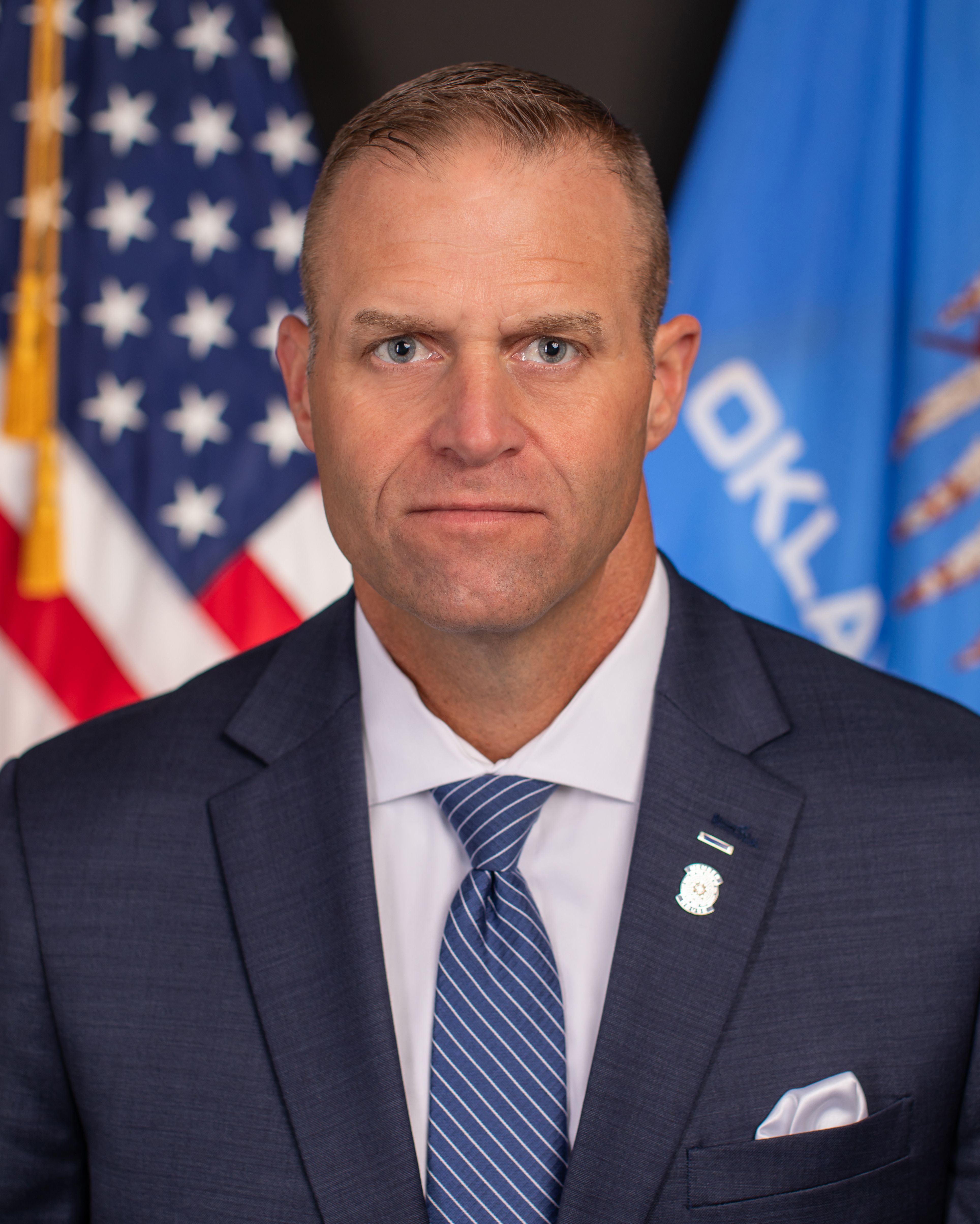
Rep. Josh West
Sponsored bills
Maddy summarySB 207 proposed creating the Oklahoma Rare Disease Advisory Council to advise state health officials on rare disease issues and updated requirements for the state's newborn screening program. The bill would have directly affected Oklahomans with rare diseases and newborns receiving screening, by establishing a formal council for policy input and modifying screening protocols. However, the bill was pocket vetoed by the Governor on June 15, 2025, meaning it did not become law. This veto prevents the proposed council from forming and the newborn screening changes from taking effect. The bill remains inactive as it was not enacted.
Maddy summaryHB 1421 requires Oklahoma's Department of Agriculture to send written notice 90 days before an animal shelter operator or commercial pet breeder's license expires, replacing a previous 60-day notice period. The bill mandates the department provide an online license renewal system by January 1, 2026, and outlines renewal steps including submitting an application, meeting department requirements, and paying fees. This law directly affects businesses needing these licenses, ensuring clearer renewal processes and reducing administrative delays.
Maddy summaryHB 1421 modifies Oklahoma's licensing rules for animal shelter operators and commercial pet breeders. It requires the Oklahoma Department of Agriculture, Food, and Forestry to send written renewal notices 90 days before a license expires and mandates an online renewal system by January 1, 2026. Operators must submit renewal applications, pay fees, and comply with department requirements to continue licensed activities. The bill takes effect November 1, 2025, but died in conference committee before becoming law.
Maddy summarySCR 12 is a procedural concurrent resolution (not a law) passed by Oklahoma's Senate and House to remove Commissioner Victoria Friesen from her position as Commissioner of Mental Health and Substance Abuse Services. It states the legislature has lost confidence in her management of the agency's $30 million budget shortfall, citing the need for accountability. The resolution invokes Oklahoma Statute §2-101, authorizing removal via a two-thirds vote of both chambers, and directs delivery to the Governor and Secretary of State. This action specifically targets the commissioner's role, not changes to mental health services or agency operations.
Maddy summaryThis concurrent resolution directs the removal of Oklahoma's Commissioner of Mental Health and Substance Abuse Services, Victoria Friesen, citing the legislature's loss of confidence due to a $30 million budget shortfall and alleged financial mismanagement. It references Oklahoma Statute 43A §2-101, which allows the legislature to remove the commissioner with a two-thirds vote in both chambers. The resolution does not change mental health services or funding but formally approves her removal as a procedural step. It affects Commissioner Friesen and the agency's leadership structure, not the delivery of mental health services to Oklahomans. The resolution has been approved by both chambers and is being processed for final enactment.
Maddy summaryHB 1422 increases the maximum bond capacity for Oklahoma's Grand River Dam Authority (GRDA) from $1.41 billion to up to $3.6 billion, subject to Oklahoma Department of Commerce approval under specific economic development criteria. The bill authorizes GRDA to issue bonds to fund infrastructure projects like dams, hydroelectric power plants, transmission lines, and facility improvements. It updates outdated language to be gender-neutral and declares an emergency to expedite the process. This change directly affects GRDA's ability to finance major energy and water infrastructure projects across Oklahoma.
Maddy summaryHB 1422 increases the Grand River Dam Authority's (GRDA) maximum bond capacity from $1.41 billion to $3.6 billion under specific conditions, directly affecting GRDA's ability to finance infrastructure projects. The bill amends Oklahoma statute to allow GRDA to issue bonds for facilities like dams, hydroelectric plants, and transmission lines, with the higher limit applying if the Oklahoma Department of Commerce approves certain economic development applications. This change enables GRDA to secure more funding for energy infrastructure without requiring new legislative approval for each project. The bill was designated an emergency measure and signed into law by the Governor on May 28, 2025.
Maddy summaryHB 1419 defines "street-legal utility vehicles" in Oklahoma law as motor vehicles meeting specific safety and performance standards (e.g., 400cc+ engine, safety belts, 50 mph capability). It requires these vehicles to be registered as motor vehicles but exempts operators from needing an "M" license endorsement. The bill allows registered street-legal utility vehicles to operate on U.S. Highways in counties with populations under 75,000 (per 2020 census), excluding interstate highways. This law, effective November 1, 2025, modifies existing restrictions on utility vehicles and minibikes.
Maddy summaryHB 1419 creates a new "street-legal utility vehicle" category in Oklahoma, defined by specific requirements like a 400cc+ engine, safety belts, and registration as a motor vehicle. It allows these registered vehicles to operate on U.S. highways in counties with populations under 75,000 (per 2020 Census), excluding interstates and highways with speed limits over 35 mph. The bill removes the need for an "M" endorsement on a driver’s license for operators aged 16+ but requires standard registration and safety equipment. This directly affects owners of utility vehicles seeking to use them on rural U.S. highways, expanding their legal operation beyond previous restrictions.