

Maddy summaryHB 4493 names the "Oklahoma Tourism Act of 2026" and sets its effective date as November 1, 2026. This is a procedural bill with no substantive policy changes to tourism programs, regulations, or funding. It simply establishes the act's official name and implementation timeline. The bill does not affect any specific entities or policies beyond this naming convention.
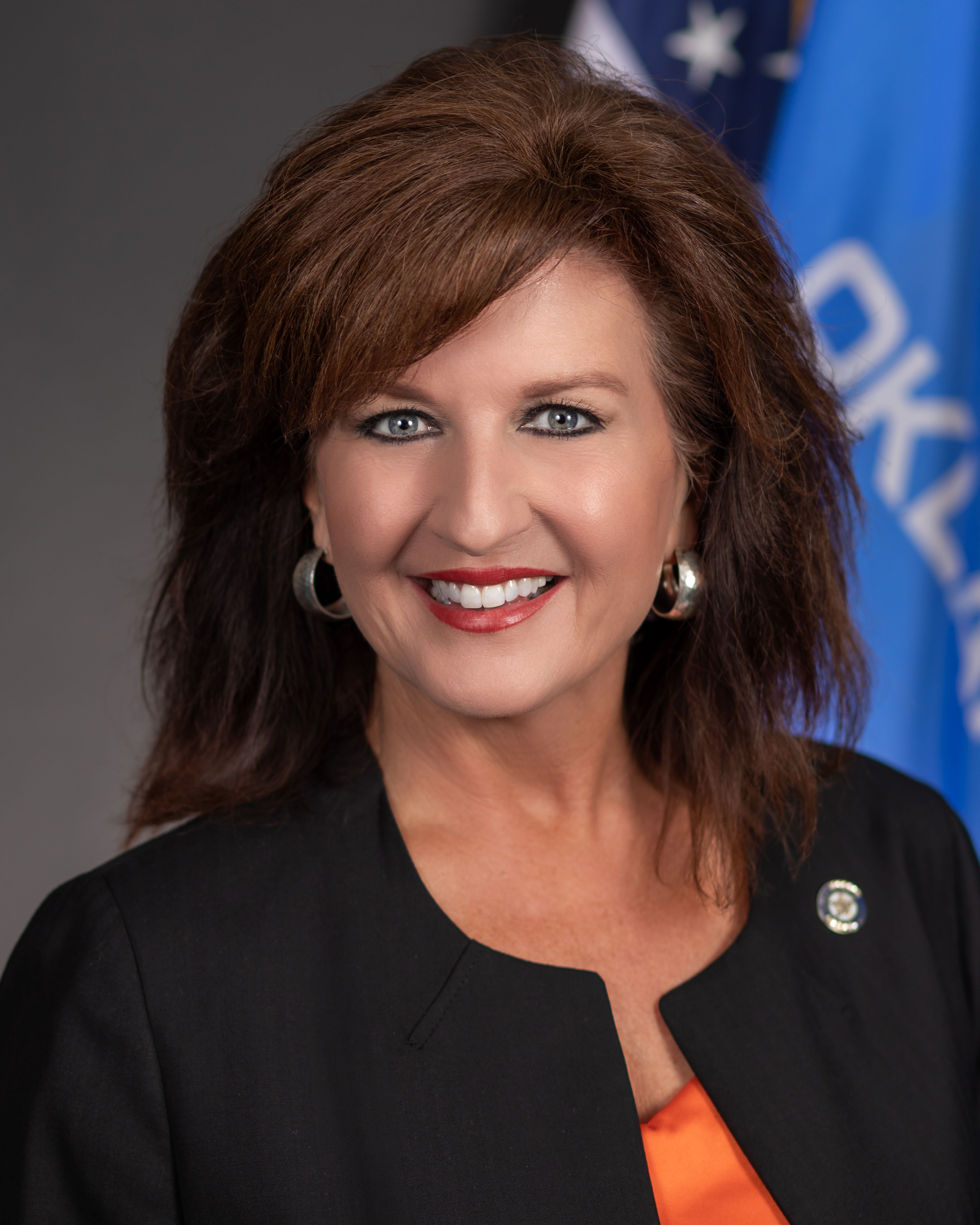
Rep. Tammy Townley
Sponsored bills
Maddy summarySB 2131 requires Oklahoma's Division of State Parks to provide a "Made in Oklahoma" product list at park building entrances (like offices and lodges) and during online accommodation reservations. It also amends tourism law to mandate that tourism information centers include this list in lease agreements for retail spaces. The bill directly affects state park visitors and travelers using tourism centers by making locally made products more visible. The policy change takes effect November 1, 2026.
Maddy summaryHB 4483 increases salaries for employees of the Oklahoma Tourism and Recreation Department starting July 1, 2026. It provides a 7% raise for those earning under $40,000 annually, a 5% raise for salaries between $40,000 and $60,000, and a 3% raise for salaries between $60,000 and $100,000. Employees earning $100,000 or more annually receive no salary increase under this bill. The bill directly affects department employees based on their current salary ranges.
Maddy summaryHB 4487 appropriates $500,000 from Oklahoma's General Revenue Fund to support nonprofit organizations organizing a commissioning ceremony for the U.S. naval vessel USS Oklahoma. The funding, for the 2026-2027 fiscal year, directly assists nonprofits hosting this event, not the public at large. The bill requires the funds to cover costs related to the ceremony and takes effect July 1, 2026. It is designated as an emergency measure to expedite the event's planning.
Maddy summaryHB 4502 is a procedural bill that names itself the "State Government Act of 2026" and sets its effective date as November 1, 2026. It contains no substantive policy changes or new requirements for state government operations. The bill simply establishes its own title and implementation timeline without altering existing laws or affecting any constituents. This is a standard naming and effective date provision, not a policy measure.
Maddy summaryHB 4500 is a procedural bill that names the "Energy Modernization Act of 2026" and sets its effective date. It does not establish new policies, regulations, or funding mechanisms. The bill simply creates a reference name for future energy legislation and specifies that it takes effect on November 1, 2026. This is a naming and scheduling measure with no direct impact on energy policy or affected parties. As a purely procedural act, it contains no substantive provisions.
Maddy summaryHB 4497 creates the name "Oklahoma Revenue and Taxation Act of 2026" and sets its effective date as November 1, 2026. The bill does not establish new tax policies or alter existing tax laws; it is purely procedural. It will not directly affect taxpayers or change revenue collection mechanisms. The bill is intended for administrative purposes only, as noted by its noncodification status. This is a formal naming and scheduling measure, not a substantive tax change.
Maddy summaryHB 4501 is a procedural bill that names the "State Government Act of 2026" and sets its effective date as November 1, 2026. It contains no substantive policy provisions or changes to state government operations, as it is explicitly designated as a non-codified law. The bill directly affects state government by establishing the official name for this legislative act, with no identified impact on citizens, agencies, or specific programs. This is a routine naming and timing measure with no legislative substance beyond its title and effective date.
Maddy summaryHB 4492 amends Oklahoma law to clarify when state employees may use state-owned or leased vehicles for commuting or work-related travel beyond standard duties. It permits specific employees - such as emergency responders, law enforcement officers, wrecker inspectors, and certain field staff (e.g., Corporation Commission inspectors) - to use state vehicles for transportation between home and work or work locations, provided the distance does not exceed 75 miles round trip or results in agency cost savings. Written authorization is required for temporary use exceeding 60 days, with agencies like the Department of Public Safety needing to track such usage monthly. The bill maintains the core prohibition against personal vehicle use but expands exceptions for essential personnel performing critical duties.
Maddy summaryHB 4504 establishes the Education Reform Act of 2026 as a formal title for future education legislation in Oklahoma. The bill does not create new policies or programs but instead sets a legal framework for naming and citing subsequent education reform measures. It becomes effective on November 1, 2026, and applies to all Oklahoma educational institutions and related state agencies. This procedural measure prepares the legal system for future education-related laws without changing current educational practices or funding.