

Maddy summaryHB 3294 is a procedural bill that names the "Children's Law Act of 2026" and sets its effective date as November 1, 2026. It does not establish new policies, protections, or obligations for children or any other group. The bill solely provides a title and effective date for future legislation to be codified under this name. It is currently in early legislative stages, having been introduced on February 2, 2026.
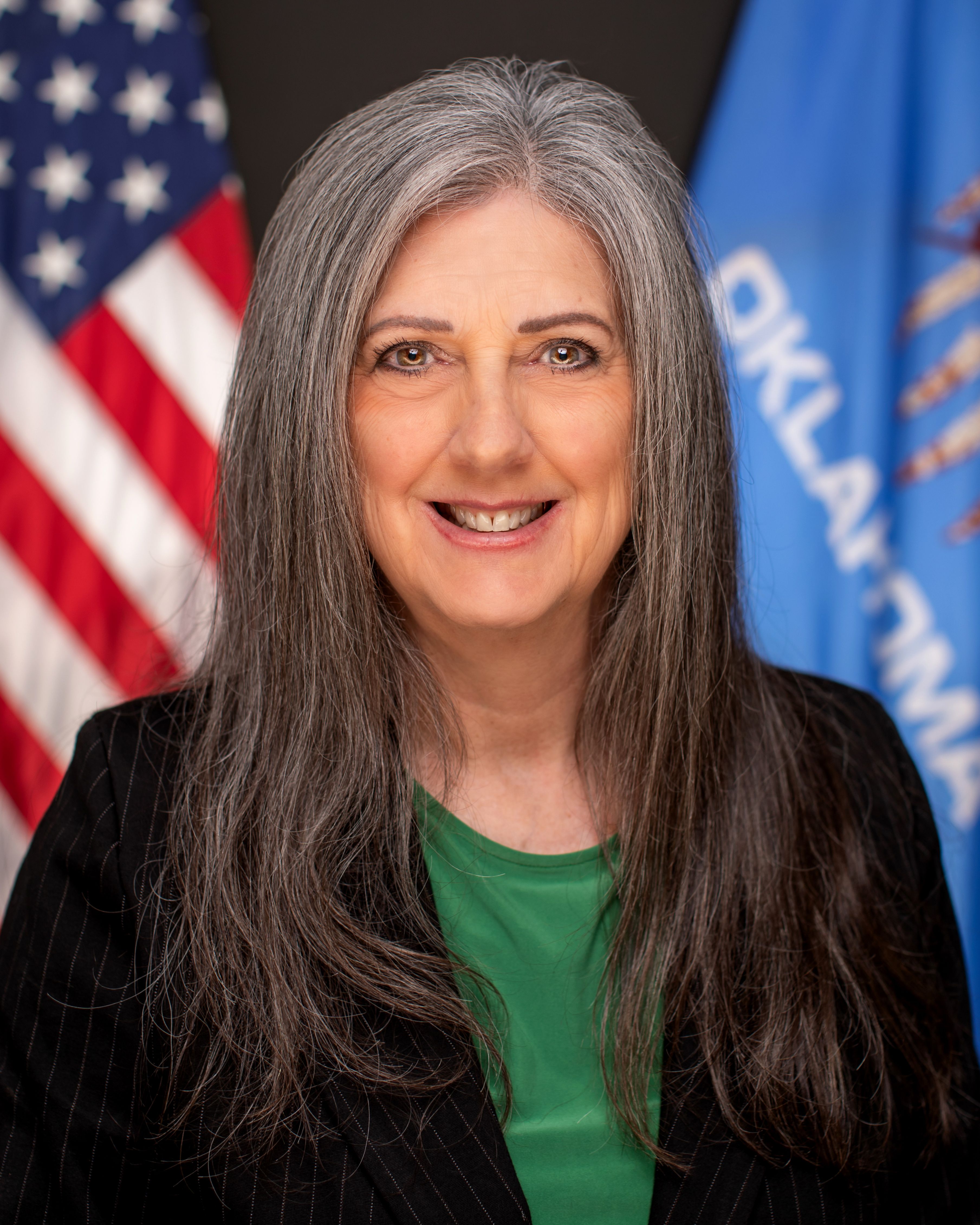
Rep. Cindy Roe
Sponsored bills
Maddy summaryHB 3290 establishes the "Oklahoma Public Health Reform Act of 2026" as a naming convention for future legislation, without creating new policies or altering public health law. The bill solely defines the title and effective date for subsequent related bills, with no substantive provisions or direct impacts on residents or health programs. It specifies the act becomes effective November 1, 2026, and is not codified into Oklahoma Statutes. This is a procedural bill focused on legislative naming, not policy change.
Maddy summaryHB 3292 is a procedural bill that names the "Oklahoma Public Health Reform Act of 2026" and sets its effective date as November 1, 2026. It does not create new policy provisions or affect specific groups; it solely establishes the bill's official title and implementation timeline. The text confirms this is for noncodification (meaning it won't be added to Oklahoma's statutory code). No substantive changes to public health law or direct impacts on residents are described in the provided text.
Maddy summaryHB 3295 is a procedural bill that names the "Oklahoma Professions and Occupations Act of 2026" and sets its effective date as November 1, 2026. It does not establish new regulations or affect specific professions or individuals, as it only creates the name for future legislation. The bill serves solely as a naming and scheduling mechanism with no substantive policy changes described in the text. This type of bill is typically used to formally designate an upcoming legislative package.
Maddy summaryThis bill formally names the Insurance Act of 2026 and sets its effective date for November 1, 2026. It does not change any insurance laws or regulations but serves as a procedural measure to establish the official title and start date for future insurance legislation. The law directly affects the Oklahoma insurance regulatory framework by providing a clear citation and implementation timeline.
Maddy summaryHB 3286 requires all health insurance plans in Oklahoma to cover pregnancy, postpartum, and newborn care services - including support from perinatal doulas, nurse-midwives, and lactation consultants - without cost-sharing like deductibles or copays. It mandates coverage for breast pumps, supplies, feeding aids, and home visits for postpartum support for at least one year after birth. The bill also exempts breast pumps, supplies, and feeding aids from state sales and use taxes. These provisions apply to both private insurance and Oklahoma’s Medicaid program (SoonerCare), directly affecting pregnant individuals, new parents, and healthcare providers.
Maddy summaryHB 3291 is a procedural bill that names the "Oklahoma Public Health Reform Act of 2026" and sets its effective date as November 1, 2026. It does not establish new public health programs, regulations, or funding mechanisms. The bill solely creates a name for future legislation and specifies when it takes effect. No specific provisions or affected groups are defined within the text provided. This is a naming and timing measure, not substantive health policy.
Maddy summaryHB 3285, the "Oklahoma Public Health Price Transparency Act of 2026," would require public health providers to disclose pricing information to patients. It directly affects Oklahoma public health facilities and services by mandating transparency in cost reporting. The bill establishes this requirement without detailing specific mechanisms, focusing instead on creating the framework for price disclosure. It is scheduled to take effect on November 1, 2026, following its introduction and referral to the Rules committee.
Maddy summarySB 1559 requires Oklahoma's Medicaid program to test a direct primary care model through a 36-month pilot program serving up to 1,000 Medicaid beneficiaries. It mandates the Oklahoma Health Care Authority to contract directly with qualified providers using monthly payments per patient (not traditional capitated contracts) and establish quality benchmarks aligned with federal rules. The program requires annual reports tracking access, patient satisfaction, clinical outcomes, and costs, with recommendations for future Medicaid policy. This pilot aims to evaluate how direct primary care - where patients pay a flat fee for services - could improve care within Medicaid, without changing existing Medicaid coverage.
Maddy summarySB 574 expands the types of opioid-related projects eligible for state grant funding by allowing the Attorney General to allocate funds toward new prevention, treatment, and recovery initiatives. It directly affects state agencies and community organizations receiving opioid grants by broadening allowable uses beyond current restrictions. The bill authorizes the Attorney General to use grant funds for specific, previously ineligible activities, such as community-based support programs. This policy change modifies how opioid grant funds are distributed without altering the grant application process.