

Maddy summarySB 540 creates the Dentist and Dental Hygienist Compact, allowing Oklahoma-licensed dentists and dental hygienists to practice in other participating states without obtaining separate licenses in each state. The key mechanism is a "Compact Privilege" that streamlines interstate practice while maintaining each state's regulatory authority over scope of practice and public safety. It directly affects licensed dental professionals seeking to work across state lines, particularly military members and their spouses relocating. The compact also requires states to share disciplinary information and ensures practitioners follow each state's specific practice rules.
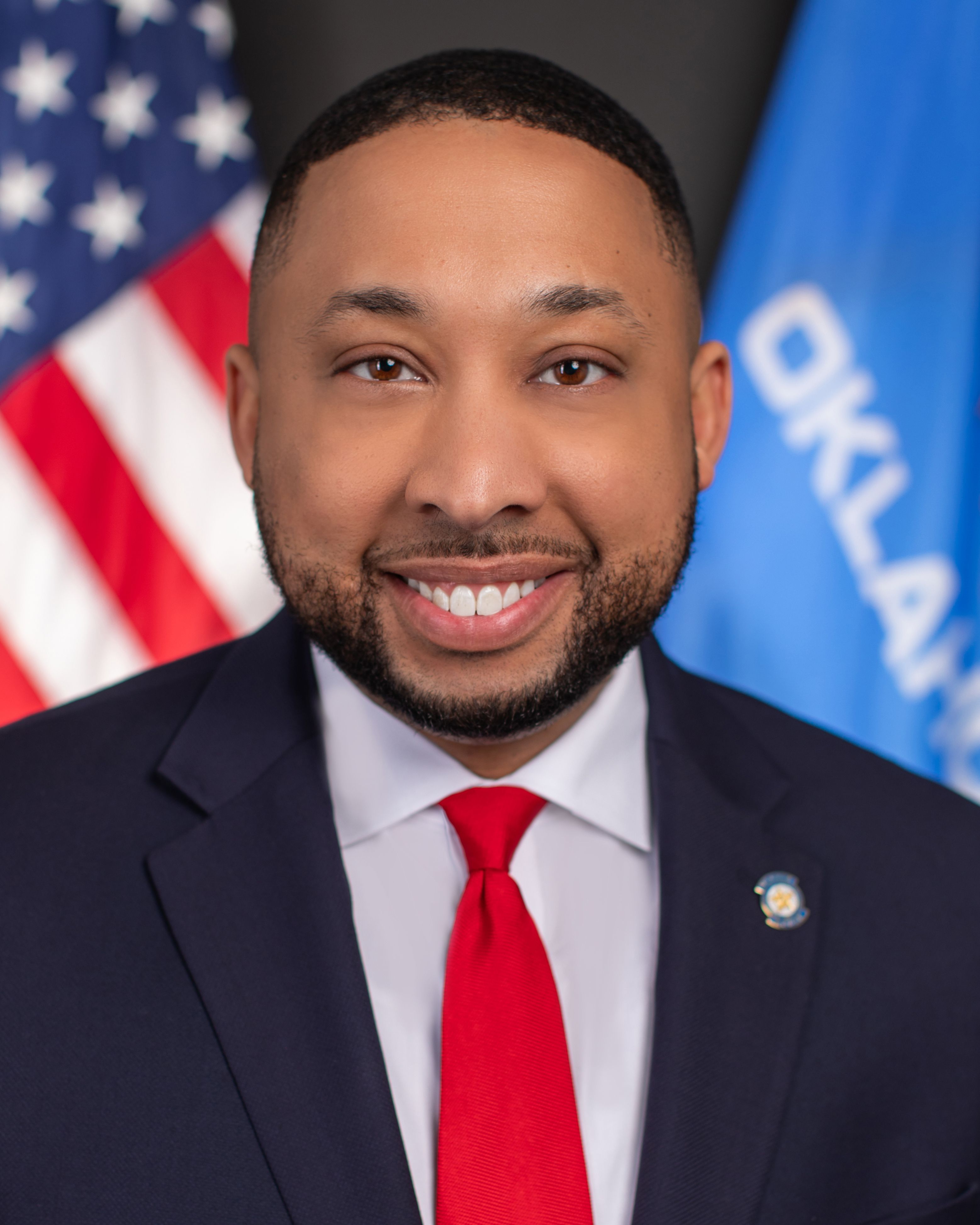
Rep. Erick Harris
Sponsored bills
Maddy summaryHR 1006 is a ceremonial resolution introduced by Representative Harris in the Oklahoma House of Representatives during the 2025 legislative session. It formally recognizes February as "Black History Month" in Oklahoma, aligning with the federal designation established by Public Law 99-244 (1986). The resolution acknowledges the contributions of Black Americans to Oklahoma and U.S. history without creating new laws or affecting any specific policies or groups. As a procedural resolution, it serves only to affirm the observance of Black History Month through official recognition.
Maddy summaryHB 2650 modifies Oklahoma's civil procedure rules to address abusive discovery requests. It requires parties to attempt resolving discovery disputes through good-faith discussions before seeking court intervention. The bill specifically creates new criteria for protective orders preventing depositions of high-ranking officers (e.g., executives or senior government officials) when they lack unique personal knowledge of the case, have scheduling conflicts, or work for large complex organizations. Courts may limit or block such depositions unless the opposing party proves they've exhausted other discovery methods and the officer has unique knowledge. The bill also includes provisions for awarding attorney fees to parties who successfully oppose or obtain protective orders.
Maddy summaryHB 2628 modifies Oklahoma's civil procedure rules for expert testimony in court cases. It requires parties (the "proponent") introducing expert witnesses to prove to the court that the testimony is: 1) based on sufficient facts/data, 2) derived from reliable methods, and 3) properly applied to the case facts. This directly affects individuals or organizations involved in civil lawsuits relying on expert opinions, such as in medical malpractice or product liability cases. The law takes effect on November 1, 2025, raising the standard for admitting expert evidence.
Maddy summaryHB 2628 amends Oklahoma's civil procedure law to set clearer standards for expert testimony in court. It requires the party introducing an expert (the "proponent") to prove to the court that the testimony is based on sufficient facts, uses reliable methods, and was properly applied to the case. This affects parties in civil lawsuits relying on expert witnesses, such as in medical malpractice or personal injury cases. The bill takes effect November 1, 2025.
Maddy summaryHB 2615 creates the "Oklahoma Community Health Worker Act," establishing a voluntary certification program for community health workers through the State Department of Health. It defines certified community health workers as frontline health professionals who serve as liaisons between communities and health services, helping identify resource gaps and building community health capacity through outreach and education. The bill requires the Department to set standards for coursework, exams, and qualifications, establish fees for certification and renewal, and create rules for granting or revoking certificates. This law directly affects community health workers seeking formal recognition and the communities they serve by standardizing their role and access to health resources. The act becomes effective November 1, 2025.
Maddy summaryHB 2615, the Oklahoma Community Health Worker Act, establishes a voluntary certification program for community health workers through the State Department of Health. It defines key terms, requires the Department to set standards for certification, and outlines specific duties for certified workers, such as connecting communities with health services and identifying resource gaps. The bill also mandates the Department to set fees for exams, initial certification, and renewals, with rules to be established by the State Commissioner of Health. The Act takes effect November 1, 2025, and directly affects community health workers seeking formal recognition and the State Department of Health managing the certification process.
Maddy summaryHB 2641 is a procedural bill that names itself the "Nuisances Reform Act of 2025" and sets its effective date as November 1, 2025. The bill contains no substantive policy provisions or changes to nuisance laws; it solely establishes the bill's title and effective date. It does not describe new mechanisms, affect specific groups, or alter existing legal standards. This is a naming and effective date bill with no concrete policy changes detailed in the provided text.
Maddy summaryHB 2635 is a procedural bill that formally names the "Oklahoma Liens Act of 2025" and sets its effective date as November 1, 2025. It does not establish new lien rules or alter existing lien procedures. The bill serves only to designate the official name for future lien-related legislation and specifies when it takes effect. No substantive policy changes or affected parties are described in the provided text.
Maddy summaryHB 2612 changes evidence rules for medical bills in Oklahoma personal injury cases. It limits what can be shown in court to either the actual amount paid for treatment (if paid), Medicare reimbursement rates (if no payment was made), or the amount insurance would cover - whichever is lower. This applies to both past medical bills and future treatment costs, preventing courts from considering inflated "billed" amounts. The law takes effect November 1, 2025, affecting plaintiffs, medical providers, and defendants in personal injury lawsuits.