

Maddy summarySB 1267 updates Oklahoma's criminal discovery rules to require both prosecutors and defense attorneys to disclose specific evidence earlier in the legal process. Prosecutors must share witness information, physical evidence in usable formats, expert reports with underlying data, and details about "jailhouse informants" (people who get testimony from incarcerated individuals in exchange for deals). Defense attorneys must disclose their own witnesses and mental health expert information. The bill also mandates electronic submission of certain reports and creates a confidential statewide database for tracking informant-related cases, while requiring prosecutors to provide defense with all evidence favorable to the defendant.
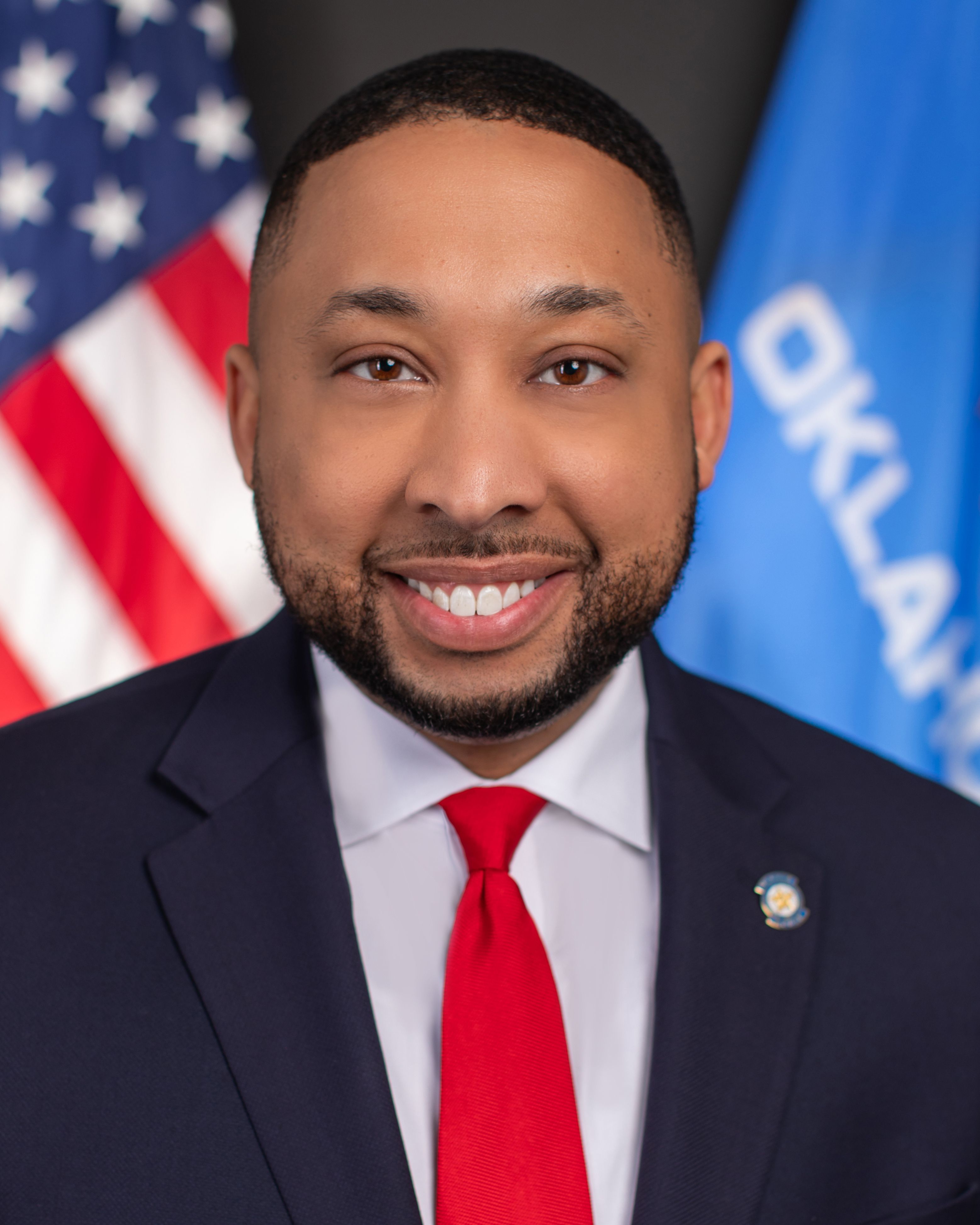
Rep. Erick Harris
Sponsored bills
Maddy summarySB 1370 creates a Conviction Integrity Unit within Oklahoma's Attorney General's Office to review felony convictions for claims of factual innocence - where a person provides new, credible evidence proving they did not commit the crime they were convicted of. The unit will accept applications from individuals who have completed direct appeals and submit new evidence of innocence, then recommend postconviction actions to district attorneys. It will also analyze cases where actual innocence was later recognized (e.g., through court rulings or pardons) to identify systemic issues in the criminal justice system. The bill establishes a revolving fund, financed by the state legislature, to cover the unit's operational costs.
Maddy summarySB 660 creates Oklahoma's Foreign Agents Registration Act, requiring individuals or organizations acting on behalf of foreign governments or political parties to register with the state. It directly affects foreign agents who engage in political activities within Oklahoma, such as lobbying state officials, running public relations campaigns, or soliciting funds for a foreign principal. Key provisions mandate registration, labeling of materials, record-keeping, and enforcement by the Attorney General, while exempting news organizations meeting specific U.S.-ownership criteria (80% or more U.S. ownership and no foreign control). The law aims to increase transparency around foreign influence on Oklahoma's political processes.
Maddy summarySB 660 creates Oklahoma's Foreign Agents Registration Act, requiring individuals or groups acting on behalf of foreign governments or entities (like foreign political parties) to register with the state if they engage in political activities within Oklahoma. It mandates registration, labeling of materials, and record-keeping for agents influencing state policies or public opinion on behalf of foreign principals. The law exempts U.S.-owned media outlets (80% U.S. owned, with U.S. officers) conducting bona fide journalism. Enforcement falls to the Attorney General, with penalties for noncompliance, aiming to increase transparency about foreign influence in Oklahoma politics.
Maddy summaryHB 2610 increases Oklahoma's tax credit for nonrecurring adoption expenses from 10% to 15% of eligible costs, raising the maximum annual credit to $3,000 for single filers or married individuals filing separately, and $6,000 for married couples filing jointly. The credit applies to Oklahoma resident taxpayers who pay for adoption-related expenses such as fees, court costs, medical expenses, and travel, but excludes attorney fees in contested adoptions and home renovations. The Oklahoma Tax Commission will establish rules for verifying qualifying expenses. This change takes effect January 1, 2026.
Maddy summaryHB 2610 increases Oklahoma's tax credit for adoption expenses. It raises the credit from 10% to 15% of qualifying one-time adoption costs (like fees, medical expenses, and travel), with higher annual limits: $3,000 for single filers and $6,000 for married couples filing jointly. The bill affects Oklahoma resident taxpayers who paid adoption-related expenses for a minor child or a proposed adoption that didn't result in a final decree. The credit becomes effective January 1, 2026, and the Oklahoma Tax Commission will establish rules for verifying eligible expenses.
Maddy summaryHB 2622 modifies Oklahoma's public nuisance laws to specifically define repeated use of property for certain felony crimes as a public nuisance. It states that using property to repeatedly commit drug distribution, prostitution, human trafficking, or sex trafficking (resulting in a felony conviction) constitutes a public nuisance under Oklahoma law. The bill clarifies that civil actions for public nuisance require proof the defendant controlled the conditions causing harm, and it explicitly states that lawful product manufacturing or sales cannot be deemed a public nuisance. This law, enacted without the Governor's signature on May 29, 2025, directly affects property owners or occupants whose premises are repeatedly used for these specific illegal activities.
Maddy summaryHB 2622 amends Oklahoma's public nuisance laws to clarify that repeated use of property for specific felony crimes - such as drug distribution, prostitution, human trafficking, or sex trafficking - resulting in a felony conviction may be classified as a public nuisance. This change directly affects property owners or managers where these activities occur repeatedly, enabling civil actions to address the nuisance. Key provisions require courts to determine if the defendant controlled the nuisance conditions and specify that private individuals may sue only if they suffer special injury from the nuisance. The law, effective November 1, 2025, does not apply to lawful product manufacturing or sales.
Maddy summarySB 453 creates the "Oklahoma Expedited Actions Act," establishing a streamlined court process for civil cases seeking $250,000 or less in monetary relief (excluding interest, penalties, and attorney fees). It directly affects plaintiffs and defendants in small civil claims by imposing strict limits: discovery must conclude within 180 days, parties may submit only 15 written interrogatories or requests for production, and trials must occur within 90 days after discovery ends. The bill also caps trial time at eight hours per side for jury trials and requires cases to be resolved faster than standard civil procedures. This aims to reduce delays and costs in lower-value disputes while maintaining clear procedural boundaries.
Maddy summarySB 747 updates Oklahoma's sheriff auction rules to prohibit charging buyer's premiums (additional fees to winning bidders) and requires sheriffs to offer non-electronic bidding options, such as in-person or phone bidding, alongside online auctions. It also clarifies payment methods, allowing electronic transfers or cashier's checks for online auction payments while mandating that all sales follow specific notice requirements. The bill directly affects individuals participating in sheriff's sales of seized property, including debtors and bidders. It became law without the governor's signature on May 28, 2025.